




Pemerintah Kabupaten Aceh Tamiang: Bumi Muda Sedia Pulih dan Bangkit
Pemerintah Kabupaten Aceh Tamiang: Bumi Muda Sedia Pulih dan Bangkit — Informasi Terbaru
A partial solar eclipse is a rare and awe-inspiring celestial event where the moon passes between the Earth and the sun, casting a shadow on our planet. This phenomenon has captivated humans for centuries, sparking scientific curiosity and spiritual wonder. As the moon moves into alignment with the Earth and sun, it creates an opportunity for us to observe the sun's corona, a stunning display of glowing gas and plasma that surrounds the sun. During a partial solar eclipse, you can witness the moon's shadow on the Earth, creating an otherworldly atmosphere. It's essential to remember that while a partial eclipse is less dramatic than a total solar eclipse, it's still a remarkable experience that can evoke feelings of awe and wonder.
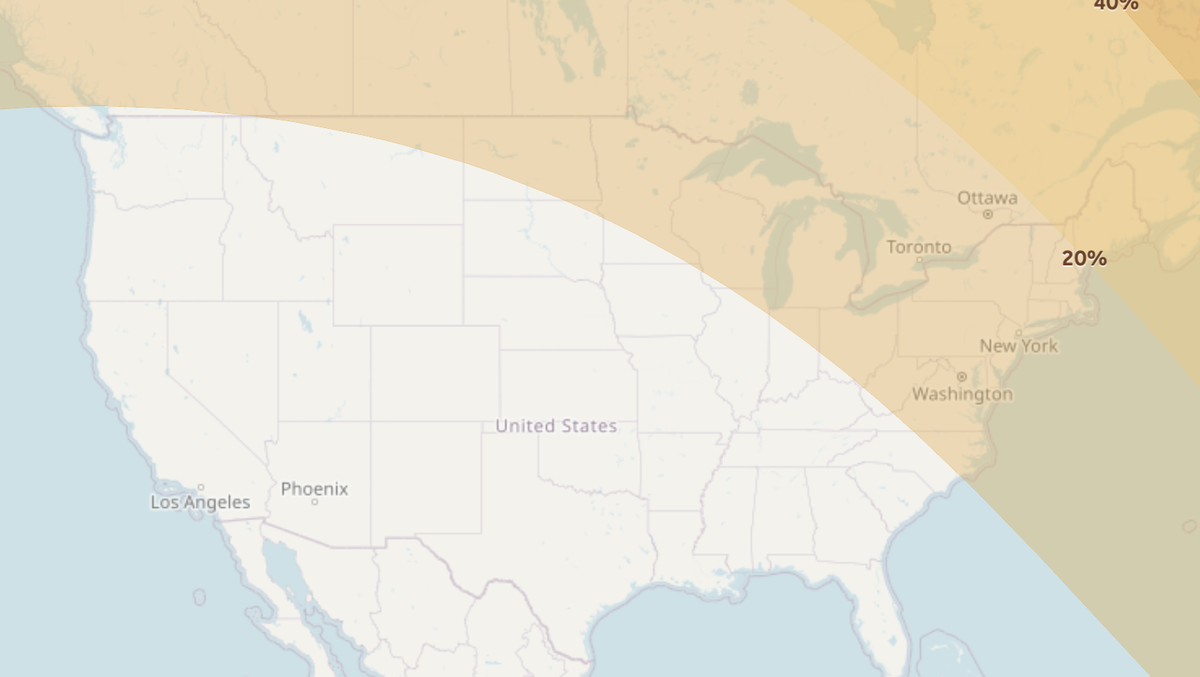
No part of the United States is in the direct path of totality, but various regions will experience a partial solar eclipse. The path of totality, where the sun is completely obscured, will pass through parts of Iceland and Spain. Despite this, American spectators will still have the opportunity to witness a partial eclipse, with some areas experiencing an impressive 80% coverage of the sun. To appreciate the event, it's crucial to use specialized solar viewing glasses or handheld solar viewers that meet international safety standards for viewing a partial solar eclipse. Without proper eye protection, even a partial eclipse can cause serious eye damage.
Solar eclipses are rare because the moon needs to be in the right position in its elliptical orbit around the Earth, and the Earth needs to be positioned in its orbit around the sun. This alignment occurs only twice a year, but is not visible from every location on Earth. The path of the eclipse, also known as the path of totality, is usually around 7,000 miles long and about 100 miles wide. Observers within this narrow path will experience the total solar eclipse, characterized by a darkening of the sky, the disappearance of stars, and an otherworldly silence. People in other locations will witness a partial solar eclipse, where the moon only partially covers the sun. The timing and visibility of the eclipse depend on your location within the United States, so be sure to check the NASA website for specific data.
The partial solar eclipse will be visible in various parts of the United States, including Alaska, the Pacific Northwest, the northern Rocky Mountain region, the Upper Midwest, the Great Lakes, the Northeast, and the mid-Atlantic. Visibility will extend southward along parts of the East Coast toward North Carolina. With the advancement of technology and online platforms, it's now easier than ever to access live streams of the eclipse, enabling a wider audience to participate in this celestial event. NASA, for instance, will host a live stream featuring views from across the path of totality. This live stream will allow viewers to experience the excitement of the eclipse without having to physically be there. The live stream will also provide a unique opportunity to engage with the scientific community and experts, who will offer insights and explanations about the eclipse.
If you're not within the viewing range of the partial solar eclipse, don't worry! You can still appreciate this celestial event by tuning into NASA's live stream or visiting a local planetarium to observe the eclipse on a large screen. These institutions will likely offer special viewing hours and educational programs to help you better understand the science behind the eclipse. Many museums, libraries, and community centers will also host viewing events and activities, making it accessible for people of all ages to participate. This shared experience fosters a sense of community and curiosity about our universe, motivating us to learn and explore further. The live stream and local viewing events will also provide a unique chance for educators to engage students, sparking an interest in science, astronomy, and space exploration.
The partial solar eclipse offers a rare opportunity for people to appreciate the beauty and complexity of our universe. By witnessing this event, we can deepen our understanding of the astronomical phenomenon, appreciate the Earth's position in our solar system, and cultivate a deeper connection with the celestial world. The experience can evoke feelings of awe, wonder, and even spiritual awe, as we ponder the vastness and mysteries of the universe. Whether you're a seasoned astronomer or simply a curious observer, the partial solar eclipse is a rare treat that can inspire a deeper appreciation for the universe and our place within it.
As we bask in the excitement of this partial solar eclipse, it's essential to acknowledge the significance of this event and its impact on human history. Solar eclipses have long fascinated and intimidated people, with ancient cultures often viewing them as omens or spiritual signs. As our understanding of astronomy has grown, we've come to appreciate the natural causes behind these events. Nevertheless, the excitement and sense of wonder surrounding solar eclipses remain timeless and universal. This shared experience transcends cultures and borders, connecting us with the vast and mysterious universe that surrounds us.
Get ready to witness a breathtaking partial solar eclipse across the United States as the moon gently nibbles away at the sun. KCCI
Pemerintah Kabupaten Aceh Tamiang: Bumi Muda Sedia Pulih dan Bangkit — Informasi Terbaru

Acara 600 ribu porsi kulinier gratis di Monas, menghidupkan semangat kebangsaan dan memperkuat rasa...

Hayden Panettiere, bintang televisi Amerika yang terkenal dengan perannya dalam serial 'Heroes' dan...

Jalan Merdeka Barat Dekat Istana Merdeka Jadi Parkir Liar Warga yang ke Monumen Nasional IDN Times

Kopassus Mengudara: Aksi Terjun Payung Terunggul di Istana Merdeka - Media Indonesia

Watch the live action of Tijuana vs. Cruz Azul, all the latest news, analysis, and match scores...

Netizen tidak senang dengan komentar-komentar yang diberikan

BTS mungkin kembali mengikuti Grammy setelah rekanan mereka, Recording Academy, mengumumkan revisi...
BTS mungkin tidak akan mengubah keputusan untuk mengabaikan Grammy karena deadline pengiriman musik...
Update terbaru tentang keputusan BTS untuk tidak mengirimkan musik mereka untuk dijadikan nominee...
Pihak Recording Academy mengumumkan akan kembali meninju keputusan untuk memperkenalkan kategori...

Sangyeop Sangyeop mengumumkan rencananya untuk menikah dengan seorang non-celebrity, mengejutkan...