




The Independence of the US Department of Justice: Todd Blanche's Uncertain Pledge
The Importance of an Independent US Department of Justice: Understanding Todd Blanche's Remarks
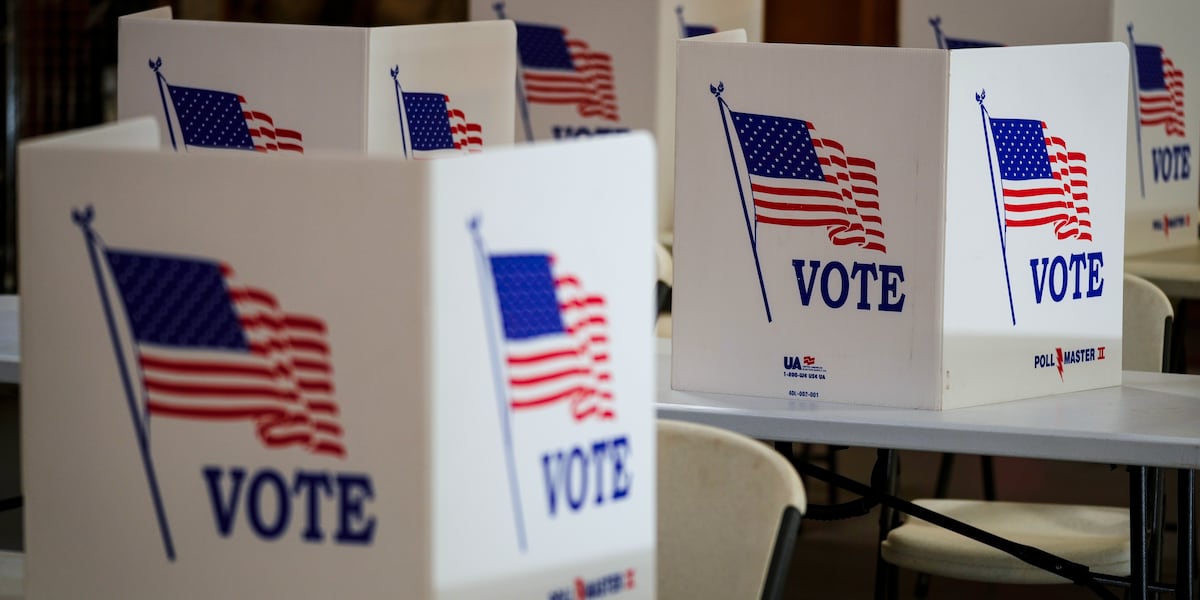
The Tennessee primary and general elections have concluded, and the results are in. As voters across the state cast their ballots, several key races were decided, shaping the future of Tennessee's government. The elections saw a high level of engagement, with many citizens exercising their right to participate in the democratic process. According to reports, voter turnout was significant, with many polling stations experiencing long lines and increased activity. The elections were also marked by a mix of incumbent victories and upsets, as some newcomers managed to unseat established politicians.
The background to these elections is complex, with various factors influencing the outcome. One major aspect was the political climate, which has been increasingly polarized in recent years. This polarization was evident in the campaigns, with candidates often taking starkly contrasting positions on key issues. Additionally, the elections were marked by a significant amount of spending, with many candidates and outside groups investing heavily in advertising and get-out-the-vote efforts. Despite these challenges, the elections were largely smooth, with few reports of major irregularities or disputes. As the dust settles, analysts are now poring over the results to understand the implications for the state's political landscape.
When examining the results, it is clear that several key factors played a significant role. One major factor was the performance of incumbent politicians, with some managing to hold onto their seats while others were defeated. In many cases, the outcome was determined by the candidates' ability to connect with voters and articulate a compelling vision for the state's future. The elections also saw a notable increase in participation from younger voters, who are increasingly making their voices heard in the political process. Furthermore, the results highlighted the ongoing importance of local issues, such as education, healthcare, and economic development, which remain top of mind for many Tennessee residents. As the newly elected officials take office, they will be expected to address these pressing concerns and work towards creating a better future for the state.
Where the elections were concerned, Tennessee's diverse geography and population played a significant role. The state's urban and rural areas often have distinct priorities and concerns, which were reflected in the voting patterns. In some cases, candidates were able to bridge these divides and build coalitions of support, while others struggled to connect with voters outside their core base. The elections also highlighted the importance of grassroots organizing and community outreach, as successful candidates often had strong ties to local organizations and constituents. As the state looks to the future, it is clear that building bridges between different regions and communities will be essential for creating a more unified and prosperous Tennessee.
Why the elections turned out as they did is a complex question, with many factors at play. One major reason was the candidates themselves, who brought a range of experiences and perspectives to the table. In some cases, candidates were able to tap into the mood of the electorate, articulating a message that resonated with voters and propelled them to victory. The elections were also influenced by broader national trends, such as the ongoing debate over healthcare and the economy. As the country continues to grapple with these issues, Tennessee's elected officials will play a critical role in shaping the state's response and advocating for the needs of its citizens. Looking ahead, it is likely that these themes will continue to dominate the political landscape, with voters expecting their leaders to deliver results and address the challenges facing the state.
How the newly elected officials will govern is an open question, with many uncertainties ahead. In the short term, they will face a range of pressing challenges, from balancing the budget to addressing the state's infrastructure needs. As they take office, they will need to navigate the complexities of the legislative process, building coalitions and negotiating with other stakeholders to achieve their goals. The elections have also set the stage for future political battles, with some candidates already looking ahead to the next cycle and the opportunities it may bring. As Tennessee continues to evolve and grow, its elected leaders will play a critical role in shaping the state's future, and their decisions will have far-reaching consequences for its citizens. The path ahead will not be easy, but with a renewed sense of purpose and a commitment to the common good, Tennessee's leaders can work towards creating a brighter future for all.
Looking to the future, it is clear that the elections have set the stage for a new era in Tennessee politics. As the state continues to grow and evolve, its leaders will face a range of challenges and opportunities, from managing the economy to addressing the needs of its citizens. The elections have also highlighted the importance of civic engagement, with many voters taking an active role in the democratic process. As the state looks ahead, it is likely that this trend will continue, with citizens expecting more from their leaders and demanding a greater say in the decisions that affect their lives. With a newfound sense of purpose and a commitment to the common good, Tennessee can build on the momentum of the elections and create a brighter future for all its citizens. This will require sustained effort and engagement from all stakeholders, but the potential rewards are significant, and the state is well-positioned to thrive in the years to come.
The implications of the elections are far-reaching, with significant consequences for the state's political landscape. One major outcome is the shift in the balance of power, with some newcomers gaining seats and established politicians being unseated. This has created new opportunities for coalition-building and collaboration, as well as challenges for the state's leaders as they navigate the complexities of the legislative process. The elections have also highlighted the ongoing importance of local issues, such as education and economic development, which remain top of mind for many Tennessee residents. As the state looks to the future, it is clear that addressing these concerns will be essential for creating a more prosperous and equitable society. With a renewed focus on the needs of its citizens, Tennessee can build on the momentum of the elections and create a brighter future for all.
As the state moves forward, it is likely that the elections will have a lasting impact on Tennessee's politics. The results have set the stage for a new era of leadership, with many newly elected officials bringing fresh perspectives and ideas to the table. The elections have also highlighted the importance of civic engagement, with many voters taking an active role in the democratic process. Looking ahead, it is likely that this trend will continue, with citizens expecting more from their leaders and demanding a greater say in the decisions that affect their lives. With a newfound sense of purpose and a commitment to the common good, Tennessee can build on the momentum of the elections and create a brighter future for all its citizens. The path ahead will not be easy, but with sustained effort and engagement from all stakeholders, the state is well-positioned to thrive in the years to come.
A comprehensive analysis of the Tennessee primary and general election results, including key races, outcomes, and implications for the state's political landscape



The Importance of an Independent US Department of Justice: Understanding Todd Blanche's Remarks
Donald Trump orders Pentagon to scale back joint military exercises with South Korea, citing his...
Representative Nancy Mace embarks on a new journey, unveiling her full sleeves of long-concealed...
The decision to cut back on military drills with South Korea has significant implications for...

FITSNews reports on Nancy Mace's transition from outgoing congresswoman to online talk show host,...
Trump directs Hegseth to scale back joint military exercises with South Korea Politico

Netizen tidak senang dengan komentar-komentar yang diberikan

BTS mungkin kembali mengikuti Grammy setelah rekanan mereka, Recording Academy, mengumumkan revisi...
BTS mungkin tidak akan mengubah keputusan untuk mengabaikan Grammy karena deadline pengiriman musik...
Update terbaru tentang keputusan BTS untuk tidak mengirimkan musik mereka untuk dijadikan nominee...
Pihak Recording Academy mengumumkan akan kembali meninju keputusan untuk memperkenalkan kategori...

Sangyeop Sangyeop mengumumkan rencananya untuk menikah dengan seorang non-celebrity, mengejutkan...