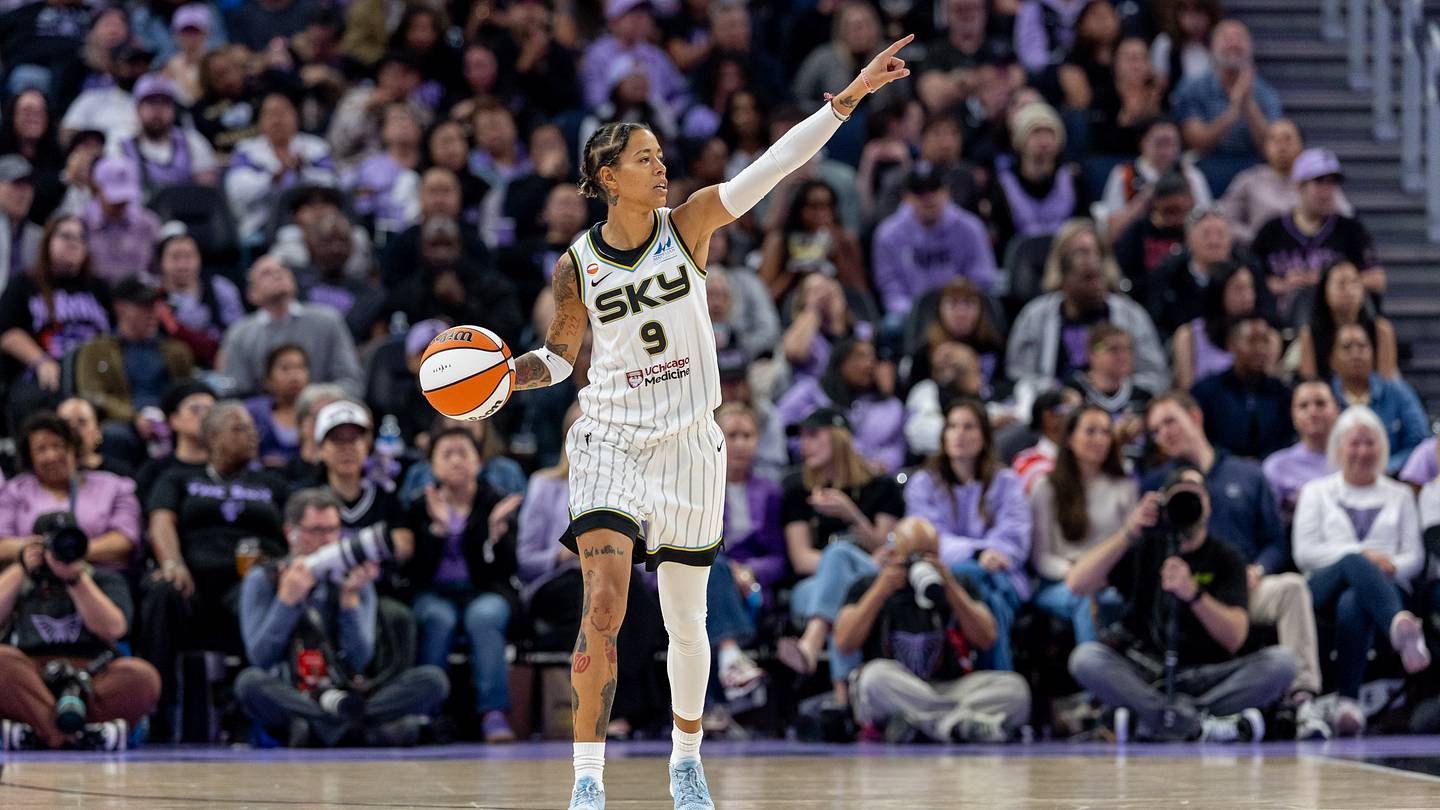




Tereza Valentova Outlasts Elina Svitolina in an Uplifting Thriller at Cincinnati
Elina Svitolina vs Tereza Valentova · Round 2 · Cincinnati Tennis.com - A nail-biting encounter...

The FIFA World Cup, often simply referred to as the World Cup, is an international football tournament contested by the men's national teams of the member associations of FIFA, the sport's global governing body. The tournament has been held every four years since the inaugural tournament in 1930, except in 1942 and 1946 when it was not held due to the Second World War. The World Cup is one of the most widely viewed and followed sporting events in the world, with the 2018 tournament in Russia reaching a global audience of over 3.572 billion people, making it one of the most watched television events in history. The tournament is not only about sports; it is a cultural phenomenon that brings people together from different backgrounds and countries. When a team advances in the competition, it is often celebrated as a national victory, showcasing the power of football to unite nations. Moreover, the World Cup has a significant impact on the economy and infrastructure of the host country, as seen in the massive investments made in stadiums, transportation, and tourism facilities.
The history of the World Cup is rich and complex, with each tournament offering unique moments and memorable matches that are etched in the history books. From the dominance of Brazil in the 1950s and 1960s to the emergence of European powerhouses like Germany, Italy, and Spain, each team has contributed to the tapestry of the tournament. Notable players like Pelé, Diego Maradona, and Zinedine Zidane have become legends of the sport, their names synonymous with excellence and their performances on the pitch inspiring generations of footballers. The World Cup is also a platform for lesser-known teams and players to make their mark on the international stage, as seen in the underdog stories of teams that manage to defy odds and advance to the later stages of the competition. Furthermore, the tournament serves as a stage for technological innovation, with each edition incorporating new technologies to enhance the viewing experience and improve the fairness of the game, such as goal-line technology and VAR (Video Assistant Referee), which have both been controversial and pivotal in shaping the outcomes of crucial matches.
When discussing the World Cup, it is impossible to ignore the social and economic implications of the tournament. The event generates billions of dollars in revenue from broadcasting rights, sponsorships, and tourism, making it one of the most lucrative sporting events globally. However, the cost of hosting the World Cup can be astronomical, with host countries often left with significant debt and unused infrastructure post-tournament. The social aspect is equally significant, as the World Cup can bring about a sense of national pride and unity among fans, but it can also lead to controversies, including human rights abuses, corruption, and environmental degradation. As such, FIFA and host countries are increasingly under scrutiny to ensure that the tournament is held in a responsible and sustainable manner, prioritizing the well-being of local communities and the environment. Moreover, the World Cup has the power to influence social policies and promote cultural exchange, as seen in the inclusion of diverse teams and the promotion of football as a tool for social development.
An analysis of the World Cup's impact on football itself reveals a complex picture. On one hand, the tournament serves as a pinnacle of achievement for players and teams, driving standards higher and encouraging innovation in tactics and training methods. The World Cup has also played a crucial role in the global spread of football, inspiring new generations of players and fans in countries where the sport may not have been traditionally popular. On the other hand, the intense scrutiny and pressure of the World Cup can have negative effects, including the physical and mental toll on players, the emphasis on winning at all costs, and the potential for the tournament to overshadow other important aspects of the sport, such as grassroots development and women's football. As the sport continues to evolve, there is a growing need for balance between the pursuit of excellence at the highest level and the nurturing of the sport's foundational elements. Moreover, the World Cup must adapt to changing societal values, including the promotion of equality, diversity, and inclusion, to ensure that football remains a force for good globally.
The future outlook for the World Cup is filled with both promise and challenges. FIFA's plans to expand the tournament to 48 teams from 2026 onwards aim to increase participation and diversity, but there are concerns about diluting the quality of the competition and the logistical challenges of hosting more teams. Technological advancements will undoubtedly continue to play a significant role in shaping the tournament, from innovative broadcasting techniques to the potential for greater use of artificial intelligence in refereeing decisions. The World Cup also faces the challenge of maintaining its relevance in a rapidly changing sports landscape, where other international competitions, such as the UEFA Champions League, are gaining in popularity. Despite these challenges, the World Cup's enduring appeal lies in its unique ability to captivate a global audience, transcending borders and cultures in a way that few other events can. As such, the tournament will likely continue to evolve, striving to balance tradition with innovation and to ensure that it remains a celebration of the beautiful game that is accessible and enjoyable for all. Furthermore, the integration of new media platforms and digital technologies will be crucial in enhancing the fan experience, providing more immersive and interactive ways for spectators to engage with the tournament.
Looking ahead to future editions of the World Cup, several key factors will determine the success and impact of the tournament. Firstly, the selection of host countries will be critical, with considerations needing to balance footballing tradition, economic viability, and social responsibility. The development of new stadiums and infrastructure will also be a priority, ensuring that they are built with sustainability and legacy in mind, providing long-term benefits to local communities beyond the duration of the tournament. Additionally, the integration of technology, such as virtual and augmented reality, could revolutionize the viewing experience, offering fans new and innovative ways to engage with the World Cup. The promotion of women's football will also be a significant aspect, with the women's World Cup gaining in popularity and recognition, and the need for greater investment and support to grow the women's game globally. As the world becomes increasingly interconnected, the World Cup will continue to serve as a powerful symbol of international unity and competition, promoting exchange, understanding, and peaceful rivalry among nations. The tournament's ability to inspire, to educate, and to bring people together will remain at the heart of its enduring appeal, making it an event that is not only about football, but about the human spirit and its capacity for achievement and excellence.
In conclusion, the FIFA World Cup is more than just a football tournament; it is a cultural phenomenon, an economic powerhouse, and a social force that has the ability to unite and inspire people from all over the world. As the tournament continues to evolve and grow, it must balance its pursuit of excellence and innovation with its responsibility to promote the values of fairness, equality, and sustainability. The World Cup's future will depend on its ability to adapt to changing times, to embrace new technologies and ideas, and to remain true to the principles that have made it one of the most beloved and enduring sporting events in history. With its rich history, its memorable moments, and its capacity to inspire and unite, the World Cup will undoubtedly remain a significant part of the global sporting landscape for generations to come, a celebration of football and of human achievement that transcends borders, cultures, and languages. The tournament's impact will be felt long after the final whistle blows, leaving a lasting legacy that will continue to shape the world of football and beyond.
The FIFA World Cup is an international football tournament held every four years, featuring national teams from all over the world, with the most recent edition being one of the most watched and highly anticipated events in the sporting calendar, available for viewing on tv.moustique.be
Elina Svitolina vs Tereza Valentova · Round 2 · Cincinnati Tennis.com - A nail-biting encounter...
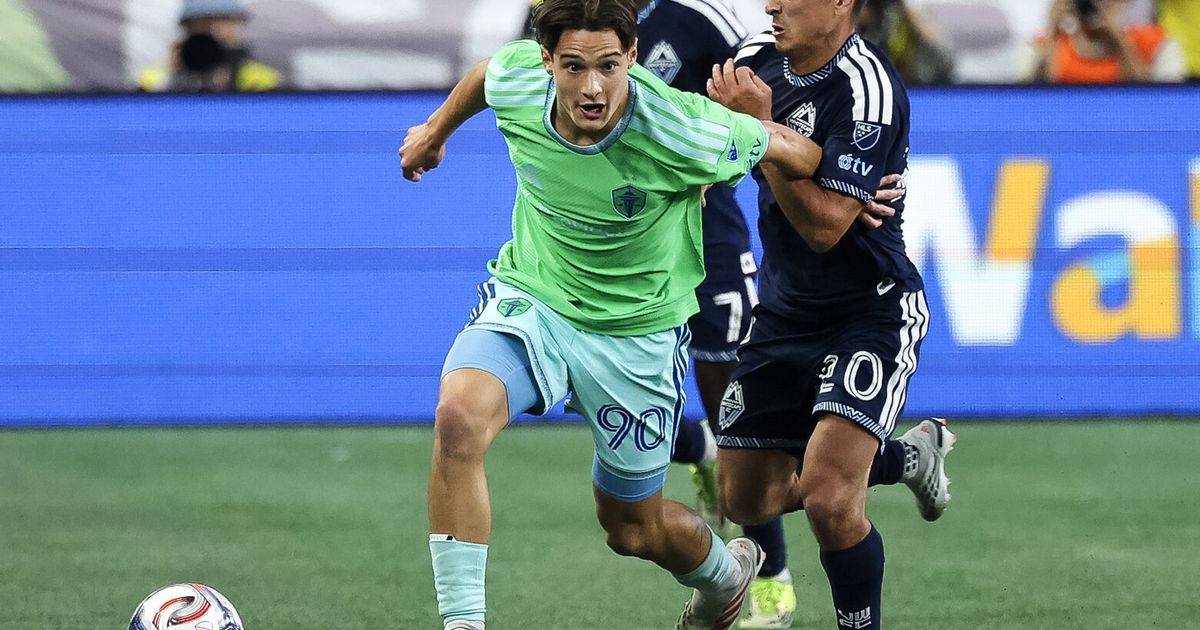
The Seattle Sounders take on the Vancouver Whitecaps in an electrifying match, with the two teams...

Ally Sentnor's 1st Angel City FC goal salvages draw with Washington ocregister.com

Watch the live action of Tijuana vs. Cruz Azul, all the latest news, analysis, and match scores...

Hawaiian Electric has issued a comprehensive update on the status of power restoration across the...

The highly anticipated match between Lorenzo Sonego and Frances Tiafoe is set to take place in the...

Netizen tidak senang dengan komentar-komentar yang diberikan

BTS mungkin kembali mengikuti Grammy setelah rekanan mereka, Recording Academy, mengumumkan revisi...
BTS mungkin tidak akan mengubah keputusan untuk mengabaikan Grammy karena deadline pengiriman musik...
Update terbaru tentang keputusan BTS untuk tidak mengirimkan musik mereka untuk dijadikan nominee...
Pihak Recording Academy mengumumkan akan kembali meninju keputusan untuk memperkenalkan kategori...

Sangyeop Sangyeop mengumumkan rencananya untuk menikah dengan seorang non-celebrity, mengejutkan...