



Sorrento Fire: A Detailed Update on the Devastating Blaze in San Diego County
A comprehensive overview of the Sorrento Fire, including its impact, key facts, and future...
San Diego County, California, experienced a sudden and intense 2.3 magnitude earthquake near the Palomar Observatory on Wednesday evening, June 17, according to the United States Geological Survey (USGS). The earthquake's seismic activity was reported at 8:09 PM, sending shockwaves through the region.
The earthquake struck at a depth of 6 miles, with the epicenter situated approximately 2 miles south-southwest of the Palomar Observatory. This location is not unfamiliar to seismic activity, as Southern California is a seismically active region, prone to earthquakes due to its location on the San Andreas Fault.
Earthquakes are a pressing concern in California, and understanding the basics is crucial for residents and visitors. According to the USGS, the magnitude of an earthquake measures the energy released at its source, replacing the outdated Richter scale. Quakes between 2.5 and 5.4 magnitude are typically felt but rarely cause significant damage, with those below 2.5 magnitude seldom detected by most individuals.
However, earthquakes are a powerful force of nature, capable of causing widespread destruction. Sudden and rapid shaking can trigger fires, tsunamis, landslides, and avalanches, underscoring the importance of preparation and awareness. According to the Department of Homeland Security, the frequency and severity of earthquakes can vary significantly by region, with areas like Alaska, California, Hawaii, Oregon, Puerto Rico, and Washington being more prone to seismic activity.
Interestingly, the USGS estimates that there are approximately 500,000 detectable earthquakes each year, with a notable 100,000 of those being felt and a mere 100 causing notable damage. This highlights the importance of staying informed and being prepared for the worst-case scenario.
So, what happens during an earthquake? If you find yourself in the midst of an earthquake, it's essential to prioritize your safety. Whether you're in a car, bed, or outdoors, taking immediate action can help minimize the risk of injury or damage. As experts recommend, it's best to drop down to your hands and knees, cover your head and neck with your arms, and hold onto something sturdy. If you're in a wheel-chair or using a walker, ensure your wheels are locked, and remain seated until the shaking subsides.
Post-earthquake hazards can be just as deadly as the initial tremor, with possible risks including structural damage to buildings, leaks in gas and water lines, and power line disruptions. Aftershocks can occur, so it's crucial to remain vigilant and be prepared to respond if further seismic activity occurs.
The USGS provides a vital resource for earthquake tracking and reporting. If you experienced the June 17 earthquake, you can submit a report through their Felt Report form.
The Palomar Observatory, a historic astronomical facility, has witnessed numerous seismic events throughout its history. As this region continues to experience earthquakes, it's essential for residents and the wider community to be prepared and informed about the threat of earthquakes and the necessary precautions to ensure safety.
Update: Earthquake in Southern California - A 2.3 magnitude earthquake occurred near Palomar Observatory on June 17.
A comprehensive overview of the Sorrento Fire, including its impact, key facts, and future...

Tropical Storm Lala brought unprecedented rainfall and snowfall to Hawaii, raising questions about...

A devastating brush fire has been raging in San Diego, necessitating the expertise of local fire...

A recently missing eagle in California has sparked both concern and newfound hope among local...
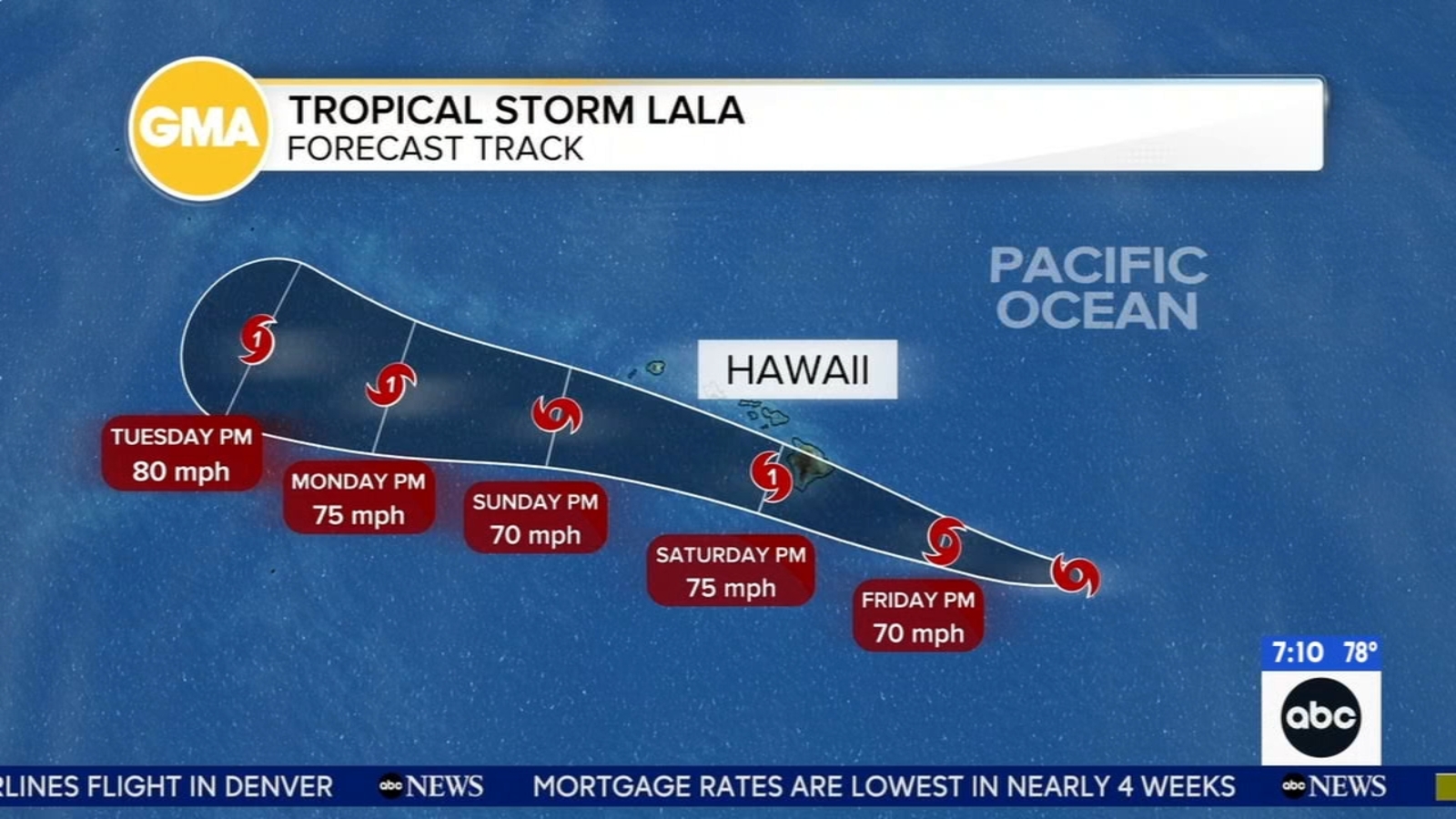
Hawaii's Big Island prepares for a rare hurricane landfall as Lala, now a Category 1 hurricane,...
A rare earthquake with a magnitude of 5 struck the city of Granada in southern Spain, causing...

Netizen tidak senang dengan komentar-komentar yang diberikan

BTS mungkin kembali mengikuti Grammy setelah rekanan mereka, Recording Academy, mengumumkan revisi...
BTS mungkin tidak akan mengubah keputusan untuk mengabaikan Grammy karena deadline pengiriman musik...
Update terbaru tentang keputusan BTS untuk tidak mengirimkan musik mereka untuk dijadikan nominee...
Pihak Recording Academy mengumumkan akan kembali meninju keputusan untuk memperkenalkan kategori...

Sangyeop Sangyeop mengumumkan rencananya untuk menikah dengan seorang non-celebrity, mengejutkan...