
:focal(123x48:125x46)/origin-imgresizer.eurosport.com/2026/06/16/image-c6777258-1e02-4d35-8cde-279f307f913e-85-2560-1440.jpeg)


Hawaiian Electric Provides Statewide Power Restoration Update
Hawaiian Electric has issued a comprehensive update on the status of power restoration across the...

The current heatwave in the US is being described as extraordinarily hot, with heat indexes above 100F affecting southern and central states from California to Mississippi. This has led to the issuance of extreme heat warnings for over 40 million people across these regions. The heatwave is a result of a heat dome, a phenomenon where atmospheric conditions trap heat, leading to prolonged periods of high temperatures. According to the National Weather Service, parts of the southwest are expected to see highs of 120F, which is extremely dangerous for human health. The heat dome is also producing other volatile weather conditions, including the risk of severe thunderstorms, flash flooding, and hail around the Great Lakes.
At the center of the heat dome, temperatures are expected to remain extremely high, with little to no relief in sight. The National Weather Service has warned that children and older adults, as well as people with certain medical conditions, are especially at risk of serious health conditions, including heatstroke or even death. Experts recommend seeking out air conditioning or a cooling center, drinking enough water, and limiting time under the direct sun to mitigate these risks. The heatwave has already led to the cancellation of outdoor events, such as a horse race in Canterbury Park, Minnesota, and has left many people feeling exhausted and drained. As Pete Miller, an outreach manager for the homeless services network Threshold CoC, noted, the humidity is insane, and people are getting drenched just by standing outside for a few minutes.
The heatwave is not just a local issue but has national implications, as it affects a large portion of the country. According to Bob Oravec, an NWS meteorologist, the core of the heat sink will move southward by early next week, but high temperatures could return by the weekend. This means that the country will have to be on high alert for an extended period, taking necessary precautions to protect vulnerable populations. The heatwave is also a reminder of the climate crisis, which is exacerbating extreme heat events. As the continental US has already experienced the second-hottest first half of the year on record, it is essential to take immediate action to reduce greenhouse gas emissions and mitigate the effects of climate change.
The US heatwave is part of a larger trend of extreme weather events worldwide, which are becoming more frequent and intense due to climate change. The National Centers for Environmental Information have tracked the average temperatures in the continental US, which shows a steady increase in temperatures over the years. This has severe consequences for human health, economies, and ecosystems. As the world continues to warm, it is essential to develop strategies to adapt to these changes and reduce our reliance on fossil fuels. The US heatwave serves as a wake-up call, highlighting the need for urgent action to address the climate crisis and its associated risks.
In the coming days, the heatwave is expected to move east, bringing severe thunderstorms, flash flooding, and hail to the Great Lakes region. This will require emergency services to be on high alert, providing support to affected communities. The heatwave has also highlighted the need for better infrastructure, such as cooling centers and green spaces, to help mitigate the effects of extreme heat. As cities and towns across the US look to the future, they must prioritize climate resilience and adaptability, investing in measures that will protect their residents from the impacts of climate change. By doing so, they can reduce the risks associated with extreme weather events and create more sustainable, equitable, and resilient communities.
The US heatwave has significant implications for the country's economy, as it affects agriculture, transportation, and other industries. The heatwave has already led to crop damage and livestock deaths, which will have long-term consequences for food production and prices. Furthermore, the heatwave has disrupted transportation systems, causing delays and cancellations of flights, trains, and buses. As the country looks to recover from the heatwave, it must also consider the economic implications and develop strategies to mitigate these effects. This could involve investing in climate-resilient infrastructure, supporting climate-smart agriculture, and promoting sustainable economic practices.
Looking ahead, the US heatwave serves as a warning sign for the future, highlighting the need for immediate action to address the climate crisis. As the world continues to warm, the frequency and intensity of extreme weather events will increase, posing significant risks to human health, economies, and ecosystems. The US must prioritize climate action, investing in renewable energy, reducing greenhouse gas emissions, and promoting sustainable practices. By doing so, the country can reduce its vulnerability to climate change and create a more resilient, equitable, and sustainable future for all. The US heatwave is a wake-up call, and it is essential that the country takes heed, taking urgent action to address the climate crisis and its associated risks.
The US is experiencing an intense heatwave, with over 40 million people under extreme heat warnings, as high temperatures and humidity grip large parts of the country
Hawaiian Electric has issued a comprehensive update on the status of power restoration across the...

Darren Pai from Hawaiian Electric shares a critical 5 p.m. update on the ongoing power outage...
Stay informed about Tropical Storm Lala's impact on Hawaii, with updates on warnings, advisories,...

Rain Suspends Shelton-Faria ATP Tour Match

FITSNews reports on Nancy Mace's transition from outgoing congresswoman to online talk show host,...
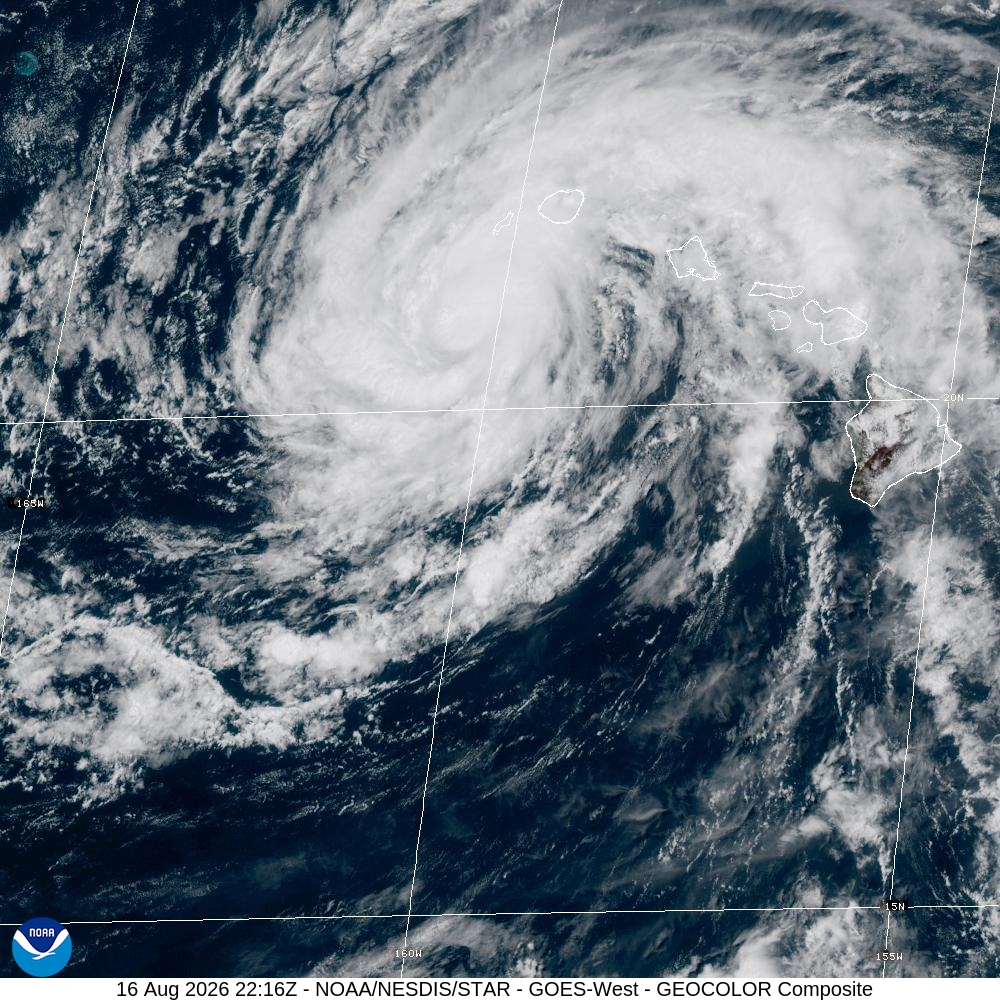
Tropical Storm Lala brought unprecedented rainfall and snowfall to Hawaii, raising questions about...

Netizen tidak senang dengan komentar-komentar yang diberikan

BTS mungkin kembali mengikuti Grammy setelah rekanan mereka, Recording Academy, mengumumkan revisi...
BTS mungkin tidak akan mengubah keputusan untuk mengabaikan Grammy karena deadline pengiriman musik...
Update terbaru tentang keputusan BTS untuk tidak mengirimkan musik mereka untuk dijadikan nominee...
Pihak Recording Academy mengumumkan akan kembali meninju keputusan untuk memperkenalkan kategori...

Sangyeop Sangyeop mengumumkan rencananya untuk menikah dengan seorang non-celebrity, mengejutkan...