





Penilaian Kritik Terhadap J-Hope dan RM dari BTS
Netizen tidak senang dengan komentar-komentar yang diberikan
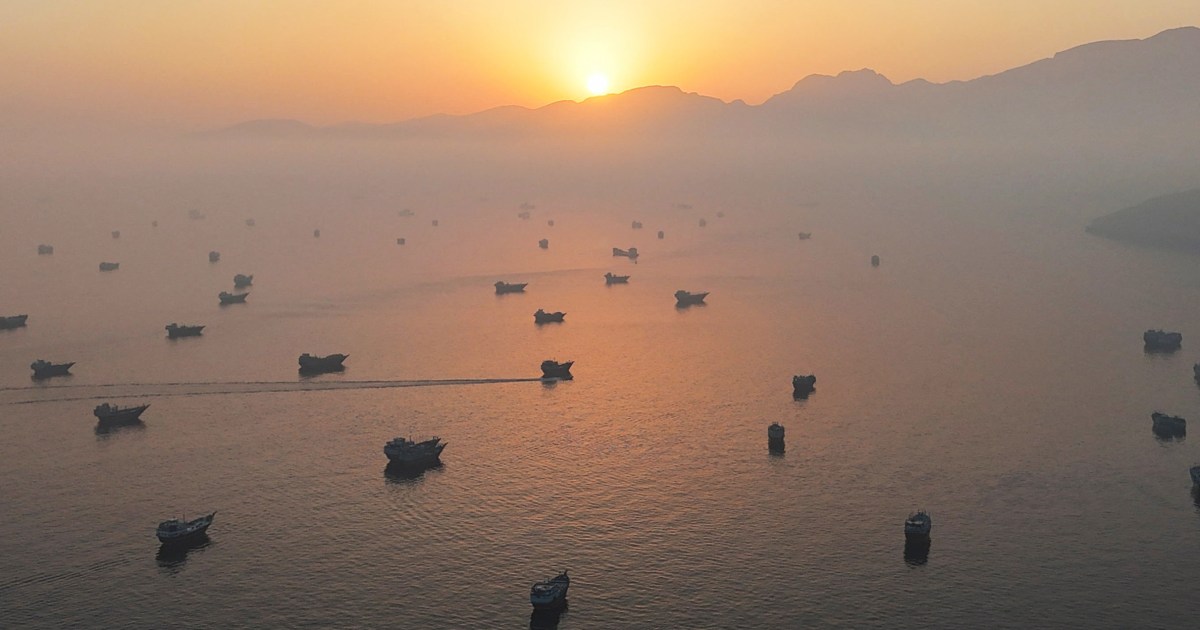
The Strait of Hormuz, a vital waterway through which around 20% of the world's oil is transported, has been a point of contention between the US and Iran for a while now. The strait has been at the center of a longstanding dispute between the two nations, with Iran seeking to maintain leverage over the waterway and American and global officials insisting transit should be free. This dispute led to the signing of a Memorandum of Understanding (MoU) between the US and Iran just last week, which stipulated that the Strait of Hormuz would reopen, and Iran would allow safe passage of commercial vessels without any charges for 60 days.
However, despite this agreement, Iran allegedly shot at least four drones at ships traveling through the Strait on Thursday, with one of the drones hitting the upper deck of a cargo carrying ship, the M/V Ever Lovely. The US knocked down the three other drones, but this incident has led to a reaction from the US, with President Donald Trump launching strikes against Iran in response. Trump called this action a 'foolish violation of our Ceasefire Agreement' and stated that the unwarranted aggression against commercial shipping by Iranian forces clearly violated the ceasefire.
Central Command said in a news release that a US aircraft struck Iranian missile and drone storage locations as well as coastal radar sites in response to the drone attacks. The US has been warning ships to travel along a specified route close to the Iranian coastline, but some vessels are traversing along a route that avoids Iranian waters and instead hugs the coastline of the United Arab Emirates and bends along Oman's Musandam Peninsula. The International Maritime Organization (IMO), the UN's maritime agency, had coordinated this alternative route.
Iran has previously warned that it cannot guarantee safety for ships that are not following a specified route close to the Iranian coastline. Arsenio Dominguez, the IMO's Secretary General, said the vessel struck Thursday 'did not transit under IMO's evacuation framework.' Iran's actions have led to concerns about the safety of ships passing through the Strait, as the disruption of oil supplies has significant implications for the global economy.
The owner of the cargo ship, Evergreen Marine, said in a statement that the ship sustained damage to its bridge windows but no injuries were reported, and the cargo onboard was safe. The ship's main engine and all navigation equipment continued to operate, and its seaworthiness was not impacted as it departed the Strait of Hormuz. This incident highlights the increasing tensions between the US and Iran, as the US seeks to protect its interests and ensure the safety of its ships in the region.
The implications of this action are far-reaching, with potential consequences for Iran's economic and diplomatic relationships with other countries. The US has been increasing its military presence in the region, and this action is a demonstration of its commitment to protecting its interests. As tensions between the US and Iran continue to escalate, it remains to be seen how this conflict will unfold and what the long-term implications will be for the region and the global community.
The future outlook for the Strait of Hormuz and the region is uncertain, with the potential for further escalation and conflict. The international community will be watching this situation closely, and any efforts to resolve this dispute diplomatically will be crucial in preventing further conflict and ensuring the safety of ships and oil supplies.
The attack on the cargo ship and the subsequent US strikes against Iran have raised questions about the effectiveness of the ceasefire agreement and the ability of the US and Iran to work together to resolve their differences. The incident has also highlighted the complex and sensitive nature of the situation, with multiple stakeholders involved and a range of competing interests at play.
US strikes against Iran in response to drone attacks on a ship in the Strait of Hormuz, violating a ceasefire agreement.
Netizen tidak senang dengan komentar-komentar yang diberikan

Pemerintah Kabupaten Aceh Tamiang: Bumi Muda Sedia Pulih dan Bangkit — Informasi Terbaru

Acara 600 ribu porsi kulinier gratis di Monas, menghidupkan semangat kebangsaan dan memperkuat rasa...

Anggota grup musik telah mengumumkan pernikahannya mendadak dengan sosok non-artist, mengejutkan...
Seorang anggota boy group tak terduga mengumumkan perayaannya pribadi dengan non-kepribadian,...
Anggota grup pria mendadak mengumumkan pernikahannya dengan seorang non-celebrity, membuat...

BTS mungkin kembali mengikuti Grammy setelah rekanan mereka, Recording Academy, mengumumkan revisi...
BTS mungkin tidak akan mengubah keputusan untuk mengabaikan Grammy karena deadline pengiriman musik...
Update terbaru tentang keputusan BTS untuk tidak mengirimkan musik mereka untuk dijadikan nominee...
Pihak Recording Academy mengumumkan akan kembali meninju keputusan untuk memperkenalkan kategori...
Sangyeop Sangyeop mengumumkan rencananya untuk menikah dengan seorang non-celebrity, mengejutkan...
Choi Sangyeop dari boy group LUCY mengejutkan fans dan netizen dengan pengumuman pernikahannya yang...