




Happy Independence Day 2026: Celebrating 80 Years of Freedom, Unity, and Progress
Happy Independence Day 2026: Celebrating 80 years of India's independence, freedom, unity, and...
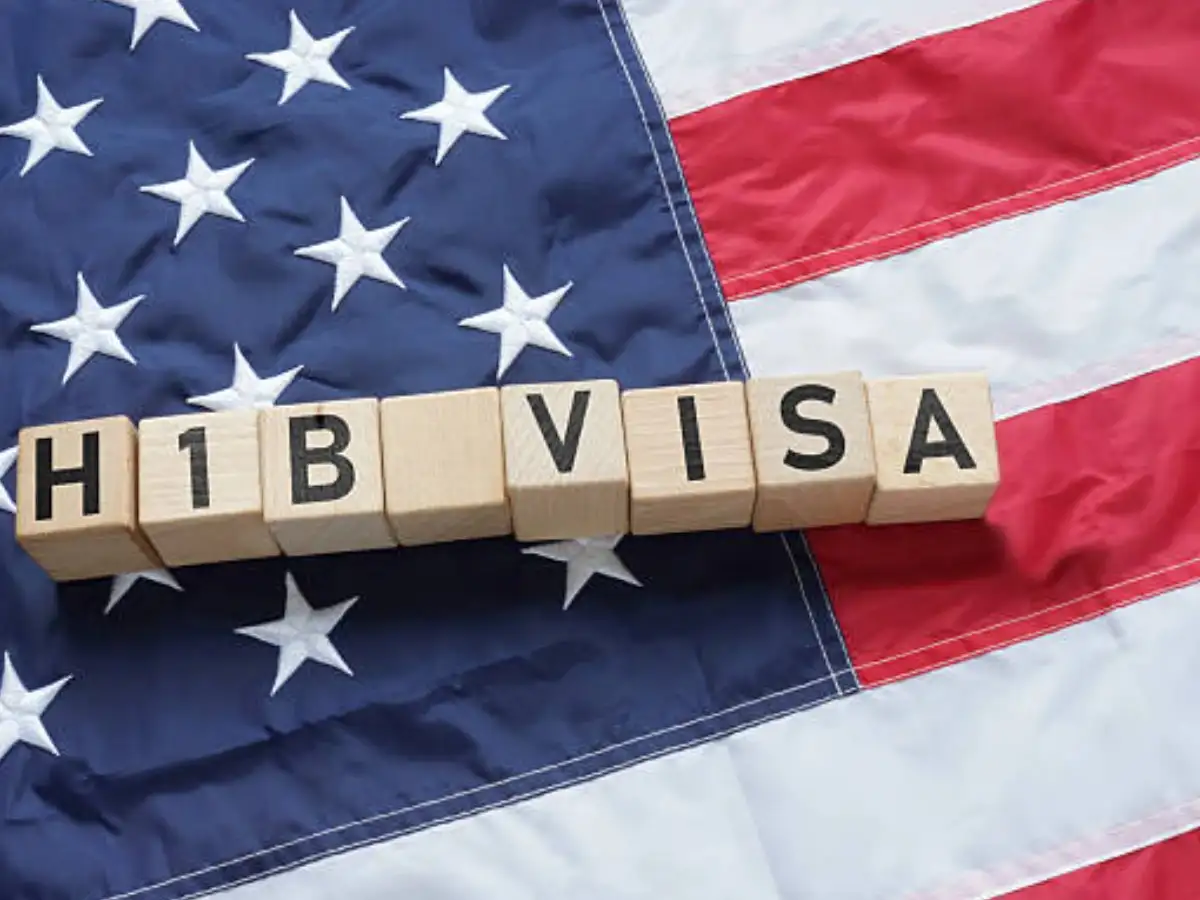
The United States government is considering a proposal to end the H-1B job-loss grace period, a decision that could have significant implications for Indian workers and the country's immigration policies. The H-1B visa program allows foreign workers to temporarily work in the US, primarily in the technology and healthcare industries. Currently, H-1B workers have a 60-day grace period after their jobs are terminated or layoffs occur, during which they can remain in the US and search for new employment. However, the proposed rule change could limit this period or eliminate it altogether, forcing these workers to leave the country sooner than they would under existing regulations.
The US Department of Homeland Security (DHS) has been examining the H-1B visa program for several years, seeking to make adjustments to address concerns about worker exploitation, wages, and unemployment. In a statement, a DHS spokesperson confirmed that the agency is considering a revision to the H-1B regulations, which could include the elimination of the job-loss grace period. Critics of the current regulations argue that they create a loophole that allows H-1B workers to remain in the US for extended periods without attempting to find new employment, placing American workers at a disadvantage in the job market.
Proponents of the proposed rule change, including some US lawmakers and business owners, assert that ending the H-1B job-loss grace period would promote accountability among H-1B employers and protect American workers. They argue that the current system creates unfair competition for native-born workers by allowing H-1B workers to remain in the US for extended periods, even if they are not actively seeking new employment. Opponents of the proposal, however, claim that it could lead to significant consequences for H-1B workers, including loss of employment and deportation.
The impact of a potential H-1B job-loss grace period elimination on Indian workers could be substantial, as India is among the top source countries for H-1B visa recipients. According to data from the US Citizenship and Immigration Services (USCIS), in 2020, Indian nationals accounted for over 70% of all H-1B visas issued. If the proposed rule change is implemented, these workers would face significant challenges in maintaining their immigration status in the US, which could lead to increased deportations and a reduction in the diversity of the US workforce.
The decision to end the H-1B job-loss grace period also raises questions about the long-term implications for US immigration policies and the country's technology workforce. Proponents of the proposed rule change suggest that it would be a step towards reforming the H-1B visa program and promoting greater accountability among employers. However, critics caution that the move could have unintended consequences, such as discouraging highly skilled foreign workers from contributing to the US economy and workforce.
Congressional hearings and debates are expected to follow in the coming months as lawmakers and stakeholders weigh the pros and cons of the proposed rule change. As the discussion unfolds, the US government will need to balance competing interests while ensuring that immigration policies promote the country's economic growth, technological innovation, and social cohesion. For millions of foreign workers, including those from India, the outcome of this debate could have a significant impact on their career prospects, personal lives, and immigration status in the US.
US may end H-1B job-loss grace period for foreign workers; Indians could face impact
Happy Independence Day 2026: Celebrating 80 years of India's independence, freedom, unity, and...

A remarkable incident in Belgium has left many in awe, as a student stumbled upon a gold treasure...
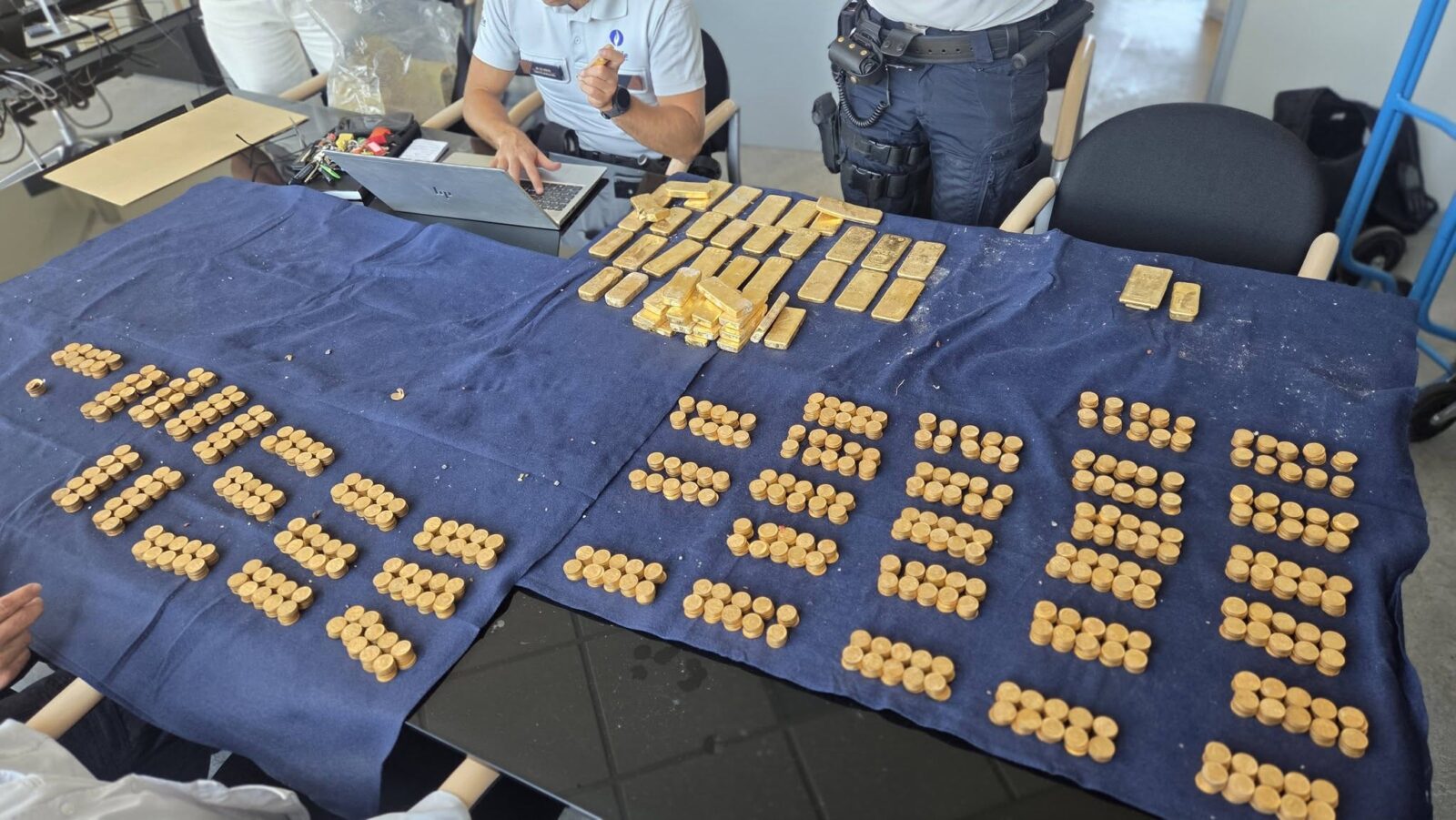
A remarkable discovery in the Belgian city of Dendermonde has left everyone fascinated and curious...

China Gold International has given the green light to the expansion plan for its Jiama mine,...
Brazil takes a significant step towards defending its trade interests in the face of escalating...
Detailed analysis of Reddit's stock performance after its inclusion in the S&P 500 index, exploring...

Netizen tidak senang dengan komentar-komentar yang diberikan

BTS mungkin kembali mengikuti Grammy setelah rekanan mereka, Recording Academy, mengumumkan revisi...
BTS mungkin tidak akan mengubah keputusan untuk mengabaikan Grammy karena deadline pengiriman musik...
Update terbaru tentang keputusan BTS untuk tidak mengirimkan musik mereka untuk dijadikan nominee...
Pihak Recording Academy mengumumkan akan kembali meninju keputusan untuk memperkenalkan kategori...

Sangyeop Sangyeop mengumumkan rencananya untuk menikah dengan seorang non-celebrity, mengejutkan...