



The Independence of the US Department of Justice: Todd Blanche's Uncertain Pledge
The Importance of an Independent US Department of Justice: Understanding Todd Blanche's Remarks

The manner in which major US television networks handled President Donald Trump's highly unconventional prime-time address on a Thursday evening underscored the significant divide in how these networks navigate the challenge of balancing the newsworthiness of such events with the responsibility to fact-check and provide context to their audiences. This dilemma is particularly pronounced when dealing with a president known for his propensity to disseminate misinformation, as evidenced by his long record of lying. The White House's formal request for the broadcast networks to air the speech live added another layer of complexity, setting the stage for Trump to criticize those networks that opted not to comply. Trump criticized NBC and ABC for not airing his address, suggesting their licenses should be revoked, a statement that reflects his misunderstanding of how national network licensing works.
The decision-making process behind each network's approach to Trump's speech was multifaceted, involving considerations of journalistic integrity, the potential impact on their audience, and the legal and regulatory frameworks that govern their operations. CBS, for instance, chose to air the speech but surrounded it with fact-checking and contextual analysis, a technique often referred to as a 'truth sandwich.' This approach was indicative of the prevailing view within TV newsrooms that Trump's fixation on false claims about the 2020 election made the address a fraught event for live news coverage. Even Fox News, typically aligned with Trump's viewpoints, found itself in a challenging position, with many at the network reportedly uneasy about airing Trump's relitigation of the election, given both the political and legal implications for the GOP and the potential damage to the network's reputation.
Despite these reservations, Fox News ultimately decided to show the address live during Sean Hannity's hour, followed by a discussion with White House correspondent Aishah Hasnie, who noted that Fox News had not seen the evidence Trump referenced and was not in a position to evaluate the accuracy of his statements. This disclaimer was echoed by Fox anchor Bret Baier, highlighting the network's attempt to maintain a semblance of objectivity and fact-based reporting. Meanwhile, other networks like CNN opted not to air the speech live, instead choosing to monitor it and then provide analysis and fact-checking of Trump's claims. This approach was justified by the network's anchor, Kaitlan Collins, who emphasized the president's history of saying 'blatantly false things about elections,' a rationale that underpinned the decision-making of several other networks that chose not to provide Trump an unfiltered platform for his election denialism.
The internal debates within the networks about how to handle Trump's address were informed by two competing interests: the traditional newsworthiness of a presidential address, on one hand, and the risks associated with amplifying false or misleading information, on the other. These discussions were likely influenced by the evolving media landscape, where the proliferation of digital platforms and social media has dramatically altered how news is consumed and disseminated. As an executive at one of the networks aptly noted, 'It's not 1974 anymore. There are lots of ways to cover the news,' reflecting the adaptability required of modern news organizations in navigating complex ethical and journalistic dilemmas. Ultimately, most networks settled on an approach that acknowledged the address without taking Trump's claims at face value, providing a mix of live coverage, fact-checking, and critiques that aimed to inform their audiences without perpetuating misinformation.
The aftermath of Trump's address and the varying network responses to it offer valuable insights into the state of media and political discourse in the United States. The address itself, with its claims of election vulnerabilities and critiques of the media, was a microcosm of the broader tensions between the Trump administration and the press, as well as the challenges faced by news organizations in maintaining their integrity and independence in the face of political pressure. The fact that networks like CBS, which has a parent company with ties to the Trump administration, still opted to provide critical context to Trump's speech, underscores the resilience of journalistic values within these organizations. Moreover, the reaction from Democratic figures, such as Senator Mark Warner, who called on journalists to 'push back on these falsehoods,' highlights the political implications of these decisions and the critical role that a free and vigilant press plays in democratic governance.
Looking forward, the handling of Trump's prime-time address by US TV networks foreshadows the complexities that will arise in the coverage of future political events, particularly as the 2024 presidential election draws near. The interplay between political communication, media responsibility, and technological advancements will continue to shape how news is produced, disseminated, and consumed. As such, it is essential for news organizations to remain committed to fact-based reporting, transparent decision-making, and a steadfast adherence to journalistic ethics, even in the face of political pressure or public criticism. By doing so, they can fulfill their critical role in informing the public and fostering a well-functioning democracy, where the exchange of ideas and the pursuit of truth are paramount.
The implications of Trump's address and the network responses are far-reaching, touching on issues of media regulation, political polarization, and the health of democratic institutions. The controversy surrounding the address, including Trump's comments on network licenses and the role of the media in society, serves as a reminder of the deep-seated challenges facing the US political system and the media's place within it. In addressing these challenges, it is crucial to consider the historical context of presidential communication, the legal frameworks governing media operations, and the evolving preferences and behaviors of news consumers. Through a nuanced understanding of these factors, media scholars, policymakers, and journalists can work together to promote a media environment that is both vibrant and responsible, capable of supporting the informed discourse and civic engagement that underpin a healthy democracy.
In conclusion, the US TV networks' handling of Trump's unconventional prime-time address offers a compelling case study of the complexities and challenges inherent in modern political communication and media responsibility. As the media landscape continues to evolve, driven by technological innovations and shifting audience preferences, the lessons gleaned from this event will remain relevant, informing the practices of news organizations and contributing to the broader discussion about the role of the media in democratic societies. Ultimately, the ability of the media to navigate these challenges, to adapt to changing circumstances while remaining true to core journalistic values, will be pivotal in shaping the future of political discourse and the health of democratic institutions in the United States and beyond.
A detailed analysis of how major US TV networks approached President Donald Trump's unusual prime-time address, highlighting their varying strategies and implications for media responsibility and presidential communication.



The Importance of an Independent US Department of Justice: Understanding Todd Blanche's Remarks
Donald Trump orders Pentagon to scale back joint military exercises with South Korea, citing his...
Representative Nancy Mace embarks on a new journey, unveiling her full sleeves of long-concealed...
The decision to cut back on military drills with South Korea has significant implications for...
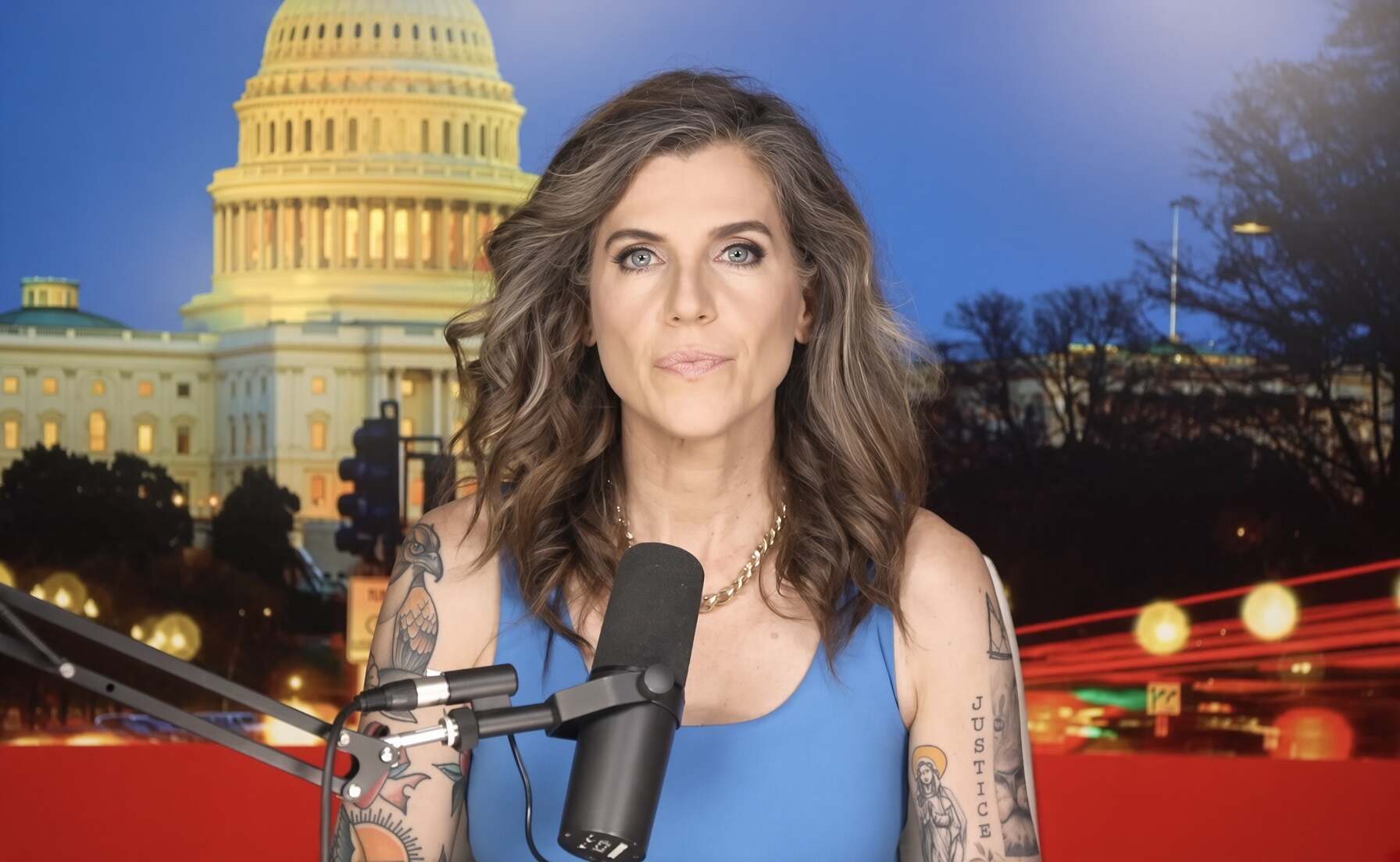
FITSNews reports on Nancy Mace's transition from outgoing congresswoman to online talk show host,...
President Trump's recent order for the Pentagon to curtail military exercises with South Korea has...

Netizen tidak senang dengan komentar-komentar yang diberikan

BTS mungkin kembali mengikuti Grammy setelah rekanan mereka, Recording Academy, mengumumkan revisi...
BTS mungkin tidak akan mengubah keputusan untuk mengabaikan Grammy karena deadline pengiriman musik...
Update terbaru tentang keputusan BTS untuk tidak mengirimkan musik mereka untuk dijadikan nominee...
Pihak Recording Academy mengumumkan akan kembali meninju keputusan untuk memperkenalkan kategori...

Sangyeop Sangyeop mengumumkan rencananya untuk menikah dengan seorang non-celebrity, mengejutkan...