


Penilaian Kritik Terhadap J-Hope dan RM dari BTS
Netizen tidak senang dengan komentar-komentar yang diberikan
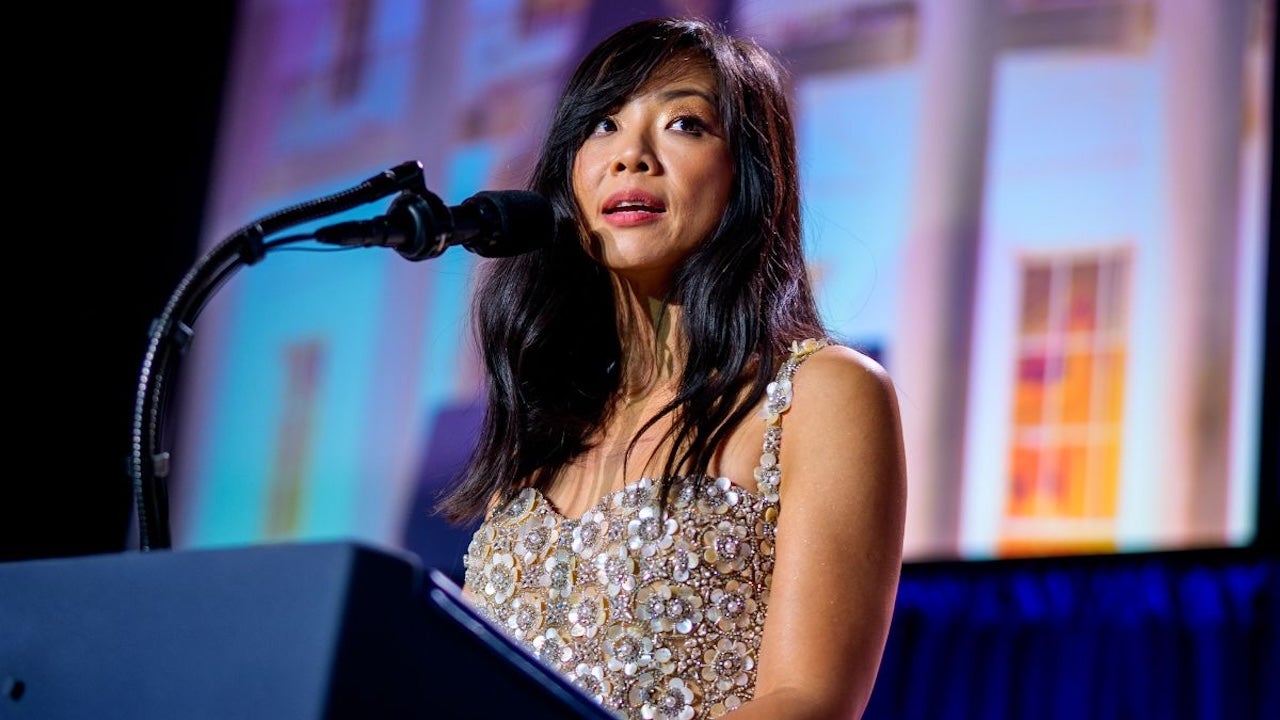
Weijia Jiang, the president of the White House Correspondents' Association (WHCA), has issued a strong statement in response to a viral letter signed by more than 500 journalists urging the organization to confront President Donald Trump at the upcoming dinner. Jiang stated that the WHCA is 'not political' and emphasized the importance of maintaining a diplomatic role in bridging the press corps and the administration.
In her statement, Jiang expressed disappointment that the signees of the letter did not attempt to have an honest conversation with the WHCA before issuing their demand. She argued that the WHCA's goal is to 'celebrate the First Amendment and the hard daily work of the journalists who defend it' while also acknowledging the challenging environment that journalists work in. Jiang noted that the WHCA was able to retain control of the briefing room assignments through its working relationship with the White House.
Jiang also pointed out that the signees of the letter are not current members of the WHCA, with none of them having covered the White House recently. She emphasized that 'if you truly understand the role of the association, it's a diplomatic role,' and that issuing strongly worded statements is 'not effective' in bringing about positive change. Instead, Jiang urged those who signed the letter to 'have an honest conversation with us' and engage in 'productive and constructive feedback' rather than dictating how the WHCA should proceed.
This comes as a group of veteran journalists and press organizations renewed their request to have the WHCA confront Trump over his attacks on the First Amendment. In their open letter, they called on the WHCA to 'forcefully stand up for freedom of the press in front of the president, publicly defend the journalists he attacks, and vow to resist his administration's concerted effort to undermine the First Amendment.' Jiang countered that the WHCA is not obligated to take a confrontational stance and that its role is to promote mutual understanding and cooperation between the press and the administration.
The situation has sparked intense debate about the role of the press in modern America and the importance of maintaining a free and independent press. As President Trump continues to launch attacks on the media and threaten the First Amendment, the WHCA's response to the viral letter has reignited the contentious issue. In light of recent developments, the WHCA will face significant pressure to take a stance on the matter and demonstrate its commitment to protecting the rights of journalists and upholding the principles of a free press.
In the context of ongoing debates about the role of the press in America, Jiang's statement offers valuable insights into the complex dynamics between the press and the administration. By emphasizing the need for constructive dialogue and cooperation, Jiang is underscoring the importance of bridging the divide between the two entities and promoting mutual understanding. As the situation continues to unfold, the WHCA's approach to this sensitive issue will serve as a model for how institutions can navigate contentious and highly politicized matters while maintaining their integrity and values.
The WHCA's response to the viral letter has significant implications for the future of American journalism and the ongoing struggle to protect the First Amendment. As journalists face increasingly hostile rhetoric and attacks from the administration, the WHCA's commitment to protecting their rights and upholding the principles of a free press is more critical than ever. By engaging in constructive dialogue and cooperation with the administration, the WHCA can play a vital role in supporting the media and promoting a healthy and functional democracy.
The stakes are high, but the WHCA's approach to this issue also offers a glimmer of hope for a more constructive and collaborative approach to journalism and the administration. By focusing on building bridges and promoting mutual understanding, Jiang and the WHCA are providing a model for how institutions can navigate contentious issues in a positive and productive way. As the situation continues to unfold, it will be crucial to watch how the WHCA responds to the ongoing challenges and whether its approach can ultimately help to protect the rights of journalists and uphold the principles of a free and independent press.
In the end, the WHCA's response to the viral letter highlights the complexities and challenges of navigating a highly politicized environment. By choosing to emphasize constructive dialogue and cooperation, Jiang and the WHCA are staking out a crucial role in protecting the rights of journalists and upholding the principles of a free press. As the situation continues to evolve, the WHCA's commitment to its values and principles will serve as a beacon of hope for a more constructive and collaborative approach to journalism and the administration.
Weijia Jiang Speaks Out Against Open Letter Requesting the White House Correspondents' Association to Confront President Donald Trump at the Dinner
Netizen tidak senang dengan komentar-komentar yang diberikan

Anggota grup musik telah mengumumkan pernikahannya mendadak dengan sosok non-artist, mengejutkan...
Seorang anggota boy group tak terduga mengumumkan perayaannya pribadi dengan non-kepribadian,...
Anggota grup pria mendadak mengumumkan pernikahannya dengan seorang non-celebrity, membuat...

Cinema XXI Mencapai Titik Puncak dalam Menggunakan Dana IPO Rp217 Triliun
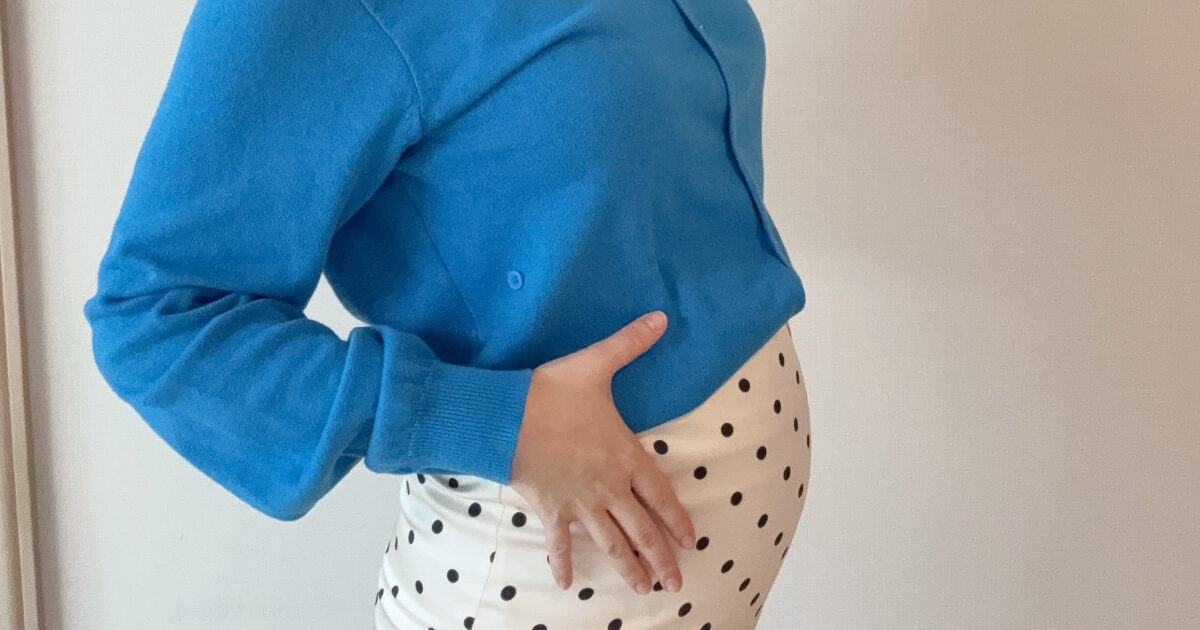
Berita terbaru dari kota Seoul: seorang selebriti Korea mengungkapkan keseharian seorang ibu hamil...

BTS mungkin kembali mengikuti Grammy setelah rekanan mereka, Recording Academy, mengumumkan revisi...
BTS mungkin tidak akan mengubah keputusan untuk mengabaikan Grammy karena deadline pengiriman musik...
Update terbaru tentang keputusan BTS untuk tidak mengirimkan musik mereka untuk dijadikan nominee...
Pihak Recording Academy mengumumkan akan kembali meninju keputusan untuk memperkenalkan kategori...
Sangyeop Sangyeop mengumumkan rencananya untuk menikah dengan seorang non-celebrity, mengejutkan...
Choi Sangyeop dari boy group LUCY mengejutkan fans dan netizen dengan pengumuman pernikahannya yang...