



Aston Villa's Suzuki Swoop: A Blow to PSG's Pride
Aston Villa's Suzuki signing marks a significant coup, dealing a blow to PSG's ambitious plans

The WHO has been on high alert due to the rapid spread of the virus, which has already claimed hundreds of lives in the Democratic Republic of the Congo (DRC).
The trials, set to begin next week, will be focused on testing the effectiveness of two antivirals: MBP134 and remdesivir. These drugs, developed by Mapp Biopharmaceutical and Gilead Sciences, respectively, have shown promising results in previous studies.
The Bundibugyo strain of the virus, responsible for the current outbreak, has no approved vaccines or therapeutics, making this trial a crucial step in finding a solution. The WHO is calling on medical professionals and researchers to stay vigilant in their fight against this deadly disease.
Remdesivir, also known as GS-5734, has already made headlines as a potential treatment for COVID-19. Originally developed as an antiviral for hepatitis C, the drug has shown promise in reducing mortality rates in patients with severe cases of the virus.
The DRC has reported over 1,000 confirmed cases of the Bundibugyo strain, with the death toll nearing 300. The WHO is working closely with local health authorities to contain the spread of the virus and provide medical attention to those affected.
The experimental nature of these trials highlights the ongoing efforts of the global health community to address the Ebola outbreak. The trials will provide invaluable data on the effectiveness of the antivirals and will pave the way for further research and development.
Dr. Tedros Adhanom Ghebreyesus, the WHO Director-General, emphasized the importance of these trials in a recent press conference. 'The outbreak is continuing to move fast,' he stated, underscoring the need for swift action.
The rapid spread of the virus has led to a number of reported cases in neighboring countries, including Uganda, where 20 cases have been confirmed, with two reported deaths. The WHO has expressed concern over the virus's potential to spread beyond the region.
The WHO has also been monitoring a recent case in France, where a doctor who had been treating patients in the DRC contracted the virus. The doctor, reportedly showing a low viral load, has been isolated, as have five passengers who sat near them on a recent flight.
In response to the outbreak, the WHO has called for increased vigilance among health professionals, particularly those working in high-risk areas. Regular monitoring and screenings are being conducted to contain the spread of the virus.
Recent studies have found that the milder cases of the virus may be contributing to its spread. This theory is supported by the fact that many patients are not experiencing extreme bleeding symptoms, which may lead to delayed diagnosis and treatment.
The WHO has expressed its gratitude to countries and organizations donating resources and expertise to combat the outbreak. The trials, in particular, demonstrate the collective effort to find a solution to this devastating crisis.
The World Health Organization (WHO) has made a groundbreaking announcement in the fight against the ongoing Ebola outbreak: the organization will be conducting two clinical trials of experimental drugs.
Aston Villa's Suzuki signing marks a significant coup, dealing a blow to PSG's ambitious plans
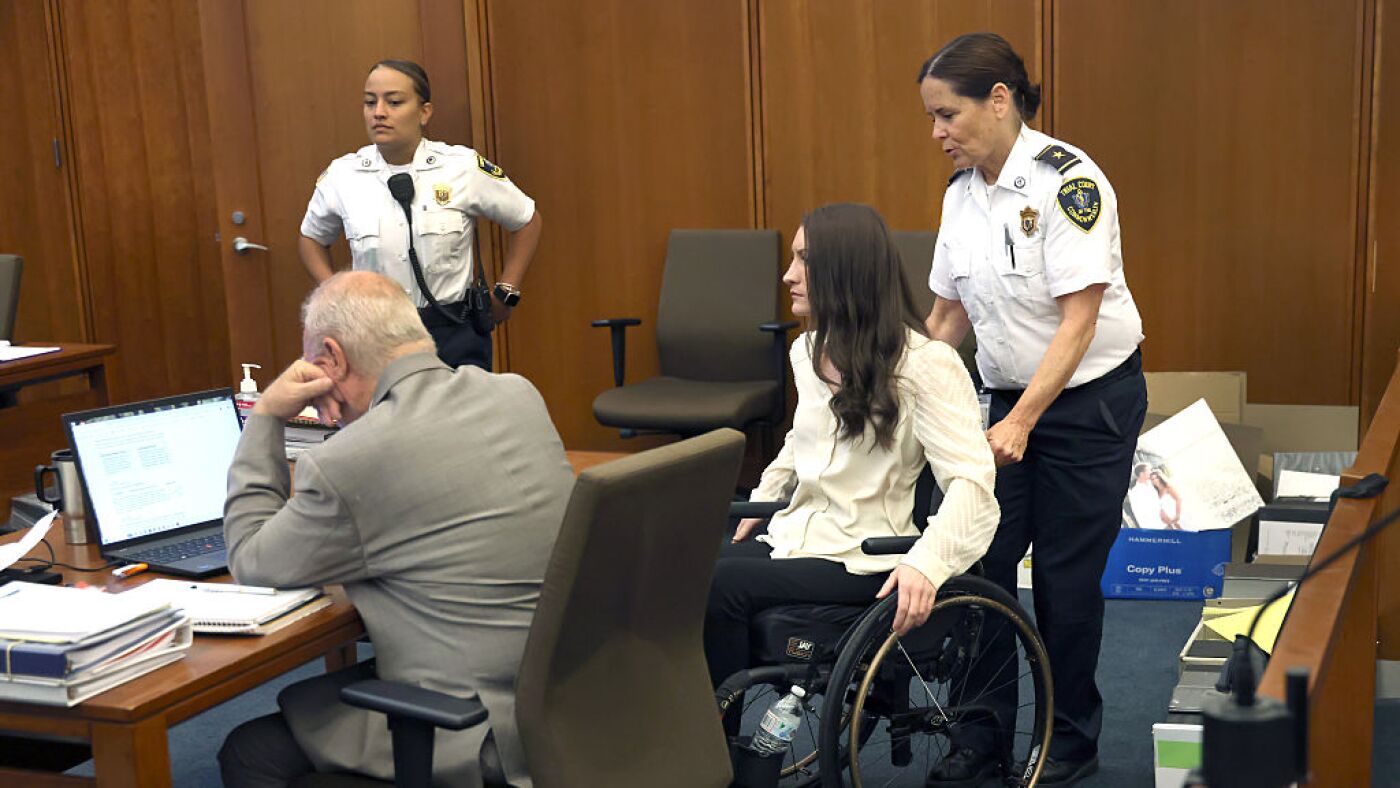
Lindsay Clancy's trial raises crucial questions about postpartum psychosis, a little-understood...
The high-profile trial of Lindsay Clancy, who is accused of murdering her three children,...

A recent medical emergency has left Earth, Wind & Fire drummer John Paris in a critical condition,...

Earth, Wind and Fire drummer John Paris' cardiac incident highlights the importance of artist...

Bruce Willis Makes Rare Appearance at Daughter Tallulah's Wedding Amid Dementia Battle

Netizen tidak senang dengan komentar-komentar yang diberikan

BTS mungkin kembali mengikuti Grammy setelah rekanan mereka, Recording Academy, mengumumkan revisi...
BTS mungkin tidak akan mengubah keputusan untuk mengabaikan Grammy karena deadline pengiriman musik...
Update terbaru tentang keputusan BTS untuk tidak mengirimkan musik mereka untuk dijadikan nominee...
Pihak Recording Academy mengumumkan akan kembali meninju keputusan untuk memperkenalkan kategori...

Sangyeop Sangyeop mengumumkan rencananya untuk menikah dengan seorang non-celebrity, mengejutkan...