



Penilaian Kritik Terhadap J-Hope dan RM dari BTS
Netizen tidak senang dengan komentar-komentar yang diberikan
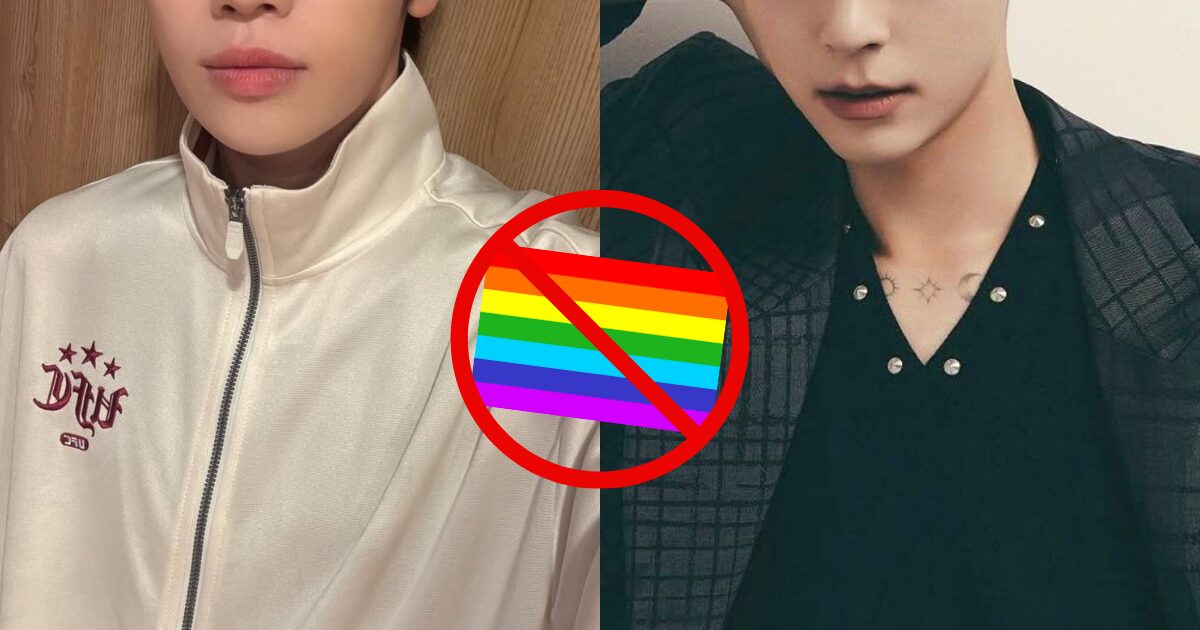
Fan service is a beloved aspect of K-Pop culture, often involving close interactions and playful "skinship" between group members. While many idols naturally share these moments, fan events like fansigns frequently provide unique opportunities for memorable interactions with their supporters.
Recently, a particular moment involving K-Pop group ZEROBASEONE at a fan event sparked significant online discussion. The group, which recently made a comeback with "Top 5," has been actively promoting and meeting fans face-to-face through various events.
During a fansign event on June 10th, members Sung Hanbin and Taerae delighted fans by donning flower crowns, matching white blazers, and holding bouquets, playfully posing together in a manner reminiscent of a wedding. However, the lighthearted scene was quickly interrupted when a staff member intervened, instructing Hanbin to remove the props.
The incident rapidly went viral, with many fans speculating that the interruption occurred because the interaction mimed a gay marriage. This led to widespread belief that the staff's actions were influenced by censorship laws, particularly if the event was held in a region with strict regulations against LGBTQ+ content, such as China, as many online users suggested.
Reactions from fans were divided. Some found the idols' surprised expressions and the overall situation comically absurd, while others felt the incident was far from humorous. Many expressed disappointment, highlighting the broader issues faced by queer individuals and viewing the staff's intervention as a stark reminder of existing homophobia, especially problematic given it occurred during Pride Month.
A playful fan interaction between ZEROBASEONE members Sung Hanbin and Taerae, perceived as a mock wedding, was abruptly stopped by staff at a recent event. This interruption sparked intense online discussion among fans, who offered various reasons for the incident, with many pointing to censorship and the broader implications for LGBTQ+ representation.
Netizen tidak senang dengan komentar-komentar yang diberikan

Pihak Recording Academy mengumumkan akan kembali meninju keputusan untuk memperkenalkan kategori...
Update terbaru tentang keputusan BTS untuk tidak mengirimkan musik mereka untuk dijadikan nominee...
BTS mungkin tidak akan mengubah keputusan untuk mengabaikan Grammy karena deadline pengiriman musik...
BTS mungkin kembali mengikuti Grammy setelah rekanan mereka, Recording Academy, mengumumkan revisi...

Seorang anggota boy group tak terduga mengumumkan perayaannya pribadi dengan non-kepribadian,...
Sangyeop Sangyeop mengumumkan rencananya untuk menikah dengan seorang non-celebrity, mengejutkan...
Anggota grup pria mendadak mengumumkan pernikahannya dengan seorang non-celebrity, membuat...
Choi Sangyeop dari boy group LUCY mengejutkan fans dan netizen dengan pengumuman pernikahannya yang...
Pengumuman pernikahan mendadak anggota boy group dengan seorang non-selebriti mengejutkan penggemar...
Anggota grup musik telah mengumumkan pernikahannya mendadak dengan sosok non-artist, mengejutkan...

Bintang Korea Kim Seung Hye menunjukkan kebersamaannya dengan para ibu hamil yang menghadapi...