




The Independence of the US Department of Justice: Todd Blanche's Uncertain Pledge
The Importance of an Independent US Department of Justice: Understanding Todd Blanche's Remarks
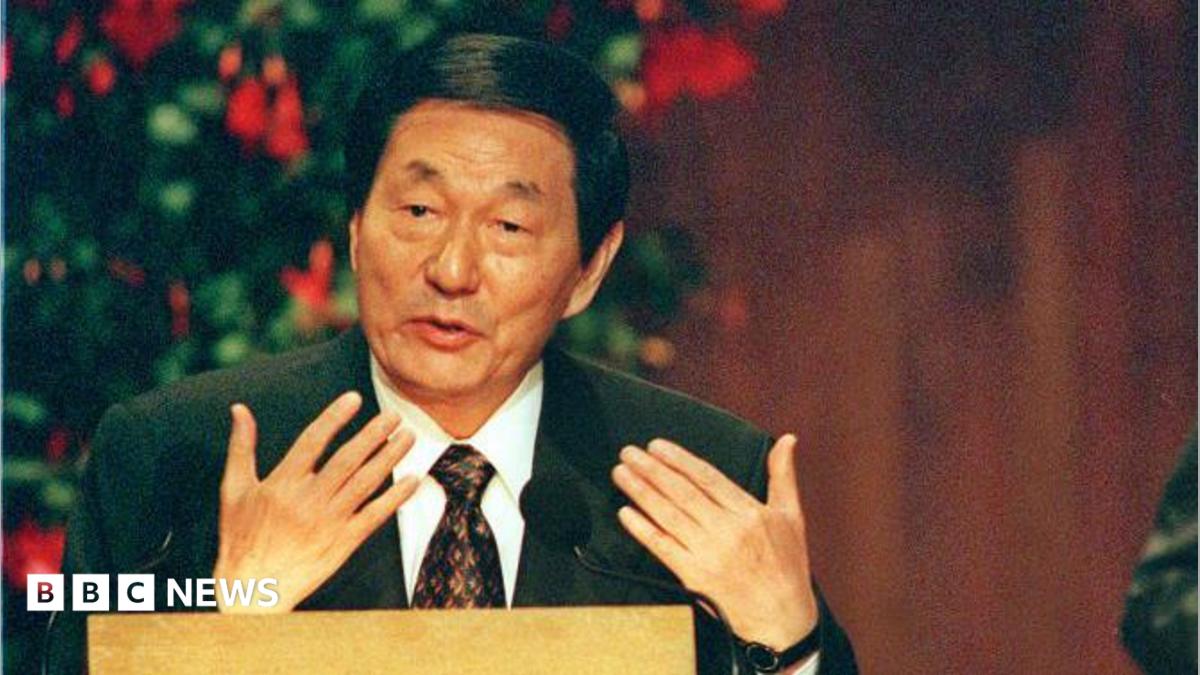
Zhu Rongji, who served as the Premier of China from 1998 to 2003, played a crucial role in the country's accession to the World Trade Organization (WTO) in 2001. This move marked a significant milestone in China's integration into the global economy, paving the way for the country to become one of the world's leading trading nations. Under his leadership, China implemented a series of economic reforms aimed at liberalizing the economy and attracting foreign investment. These reforms had a profound impact on China's economic development, transforming the country into a manufacturing powerhouse and significantly improving living standards for millions of Chinese citizens. Zhu Rongji's economic policies were characterized by their pragmatism and focus on practical outcomes, earning him a reputation as a tough and effective leader.
Zhu Rongji's entry into politics began in the 1950s, and he rose through the ranks to become one of China's most influential leaders. Born in 1928 in the central province of Hunan, Zhu joined the Communist Party in 1949, demonstrating his commitment to the country's revolutionary ideals from an early age. However, his path to leadership was not without challenges. He was twice purged from the party, first for criticizing Mao Zedong's economic policies and again during the tumultuous Cultural Revolution. Despite these setbacks, Zhu persevered and was eventually rehabilitated, going on to occupy key positions in the Chinese government. His determination and resilience in the face of adversity are a testament to his strong character and unwavering dedication to public service.
Zhu Rongji's tenure as Premier was marked by several significant achievements. One of his most notable accomplishments was the negotiation of China's accession to the WTO, a process that required considerable diplomatic effort and economic reform. Zhu's leadership during these negotiations was instrumental in securing China's position as a major player in global trade. Additionally, he oversaw the implementation of reforms aimed at streamlining the economy, including the privatization of state-owned enterprises and the development of the country's financial sector. These reforms helped to stimulate economic growth, increase efficiency, and attract foreign investment, further solidifying China's position on the world stage. Zhu's vision for China's economic future was centered on creating a more open, competitive, and sustainable economy, capable of driving growth and improving living standards for all Chinese citizens.
Despite the many successes of Zhu Rongji's economic reforms, his policies also faced criticism. The rapid pace of economic change led to significant job losses in certain sectors, as state-owned enterprises were either privatized or closed. This resulted in approximately 30 million layoffs over a five-year period, a figure that underscores the human cost of economic transition. Furthermore, the reforms exacerbated existing social inequalities, as those in positions of power or with access to education and resources were better equipped to capitalize on the new economic opportunities. Zhu Rongji acknowledged these challenges, emphasizing the need for continued reform and the importance of addressing social and economic disparities. His acknowledgment of the complexities and challenges associated with economic reform demonstrates a nuanced understanding of the issues at hand and a commitment to finding solutions that benefit all segments of society.
Zhu Rongji's legacy extends beyond his economic policies. He is remembered for his straightforward and uncompromising approach to governance, often speaking his mind on issues ranging from corruption to environmental protection. His commitment to transparency and accountability in government helped to establish a more open and responsive political system, principles that are essential for fostering trust and stability in any society. Zhu's leadership style was characterized by a unique blend of toughness and pragmatism, earning him both respect and admiration from his peers and the general public. As China continues to navigate the complexities of its role in the global economy, Zhu Rongji's legacy serves as a reminder of the importance of visionary leadership, economic reform, and social responsibility.
The passing of Zhu Rongji at the age of 97 marks the end of an era for China. His contributions to the country's economic development and integration into the global community are undeniable. As the world reflects on his legacy, it is clear that Zhu Rongji's impact will be felt for generations to come. His commitment to economic reform, his perseverance in the face of adversity, and his dedication to the well-being of the Chinese people have left an indelible mark on the country's history. As China looks to the future, it is essential that the lessons of Zhu Rongji's leadership are not forgotten, and that his vision for a more open, prosperous, and equitable society continues to guide the country's development. By embracing these principles, China can ensure that its economic growth is sustainable, inclusive, and beneficial to all its citizens, thereby securing a brighter future for generations to come.
In the years ahead, China will undoubtedly face new challenges and opportunities as it continues to navigate its role in the global economy. The legacy of Zhu Rongji serves as a powerful reminder of the importance of leadership, vision, and perseverance in shaping a country's destiny. His story is a testament to the human spirit's capacity for resilience, adaptability, and innovation, qualities that will be essential for addressing the complex issues that lie ahead. As the world moves forward in an increasingly interconnected and interdependent environment, the lessons of Zhu Rongji's life and legacy will remain relevant, offering valuable insights into the importance of economic reform, social responsibility, and global cooperation. By learning from his experiences and embracing the principles that guided his leadership, we can work towards creating a more just, prosperous, and peaceful world for all.
The impact of Zhu Rongji's economic reforms can be seen in the rapid growth and transformation of China's economy over the past few decades. The country has become a major player in global trade, with its exports and imports playing a significant role in shaping international markets. The growth of China's economy has also led to a significant increase in the standard of living for millions of Chinese citizens, with many benefiting from new job opportunities, improved healthcare, and enhanced educational resources. However, the challenges associated with this growth, including environmental degradation, social inequality, and corruption, must be addressed through continued reform and a commitment to sustainable development. By acknowledging these challenges and working to overcome them, China can ensure that its economic growth is not only rapid but also sustainable and equitable, providing a foundation for long-term prosperity and stability.
In conclusion, the life and legacy of Zhu Rongji offer a compelling narrative of leadership, vision, and perseverance. His contributions to China's economic development and integration into the global community are a testament to the power of effective governance and the importance of strategic planning. As China looks to the future, it is essential that the lessons of Zhu Rongji's leadership are not forgotten, and that his vision for a more open, prosperous, and equitable society continues to guide the country's development. By embracing these principles and addressing the challenges that lie ahead, China can secure a brighter future for its citizens and make a positive contribution to the global community, ensuring that the legacy of Zhu Rongji continues to inspire and guide generations to come.
Former Chinese Premier Zhu Rongji, a pivotal figure in China's transformation into a global trading giant, has died at the age of 97. His legacy includes securing China's entry into the World Trade Organization and spearheading economic reforms.



The Importance of an Independent US Department of Justice: Understanding Todd Blanche's Remarks
Donald Trump orders Pentagon to scale back joint military exercises with South Korea, citing his...
Representative Nancy Mace embarks on a new journey, unveiling her full sleeves of long-concealed...
The decision to cut back on military drills with South Korea has significant implications for...

FITSNews reports on Nancy Mace's transition from outgoing congresswoman to online talk show host,...
Trump directs Hegseth to scale back joint military exercises with South Korea Politico

Netizen tidak senang dengan komentar-komentar yang diberikan

BTS mungkin kembali mengikuti Grammy setelah rekanan mereka, Recording Academy, mengumumkan revisi...
BTS mungkin tidak akan mengubah keputusan untuk mengabaikan Grammy karena deadline pengiriman musik...
Update terbaru tentang keputusan BTS untuk tidak mengirimkan musik mereka untuk dijadikan nominee...
Pihak Recording Academy mengumumkan akan kembali meninju keputusan untuk memperkenalkan kategori...

Sangyeop Sangyeop mengumumkan rencananya untuk menikah dengan seorang non-celebrity, mengejutkan...