



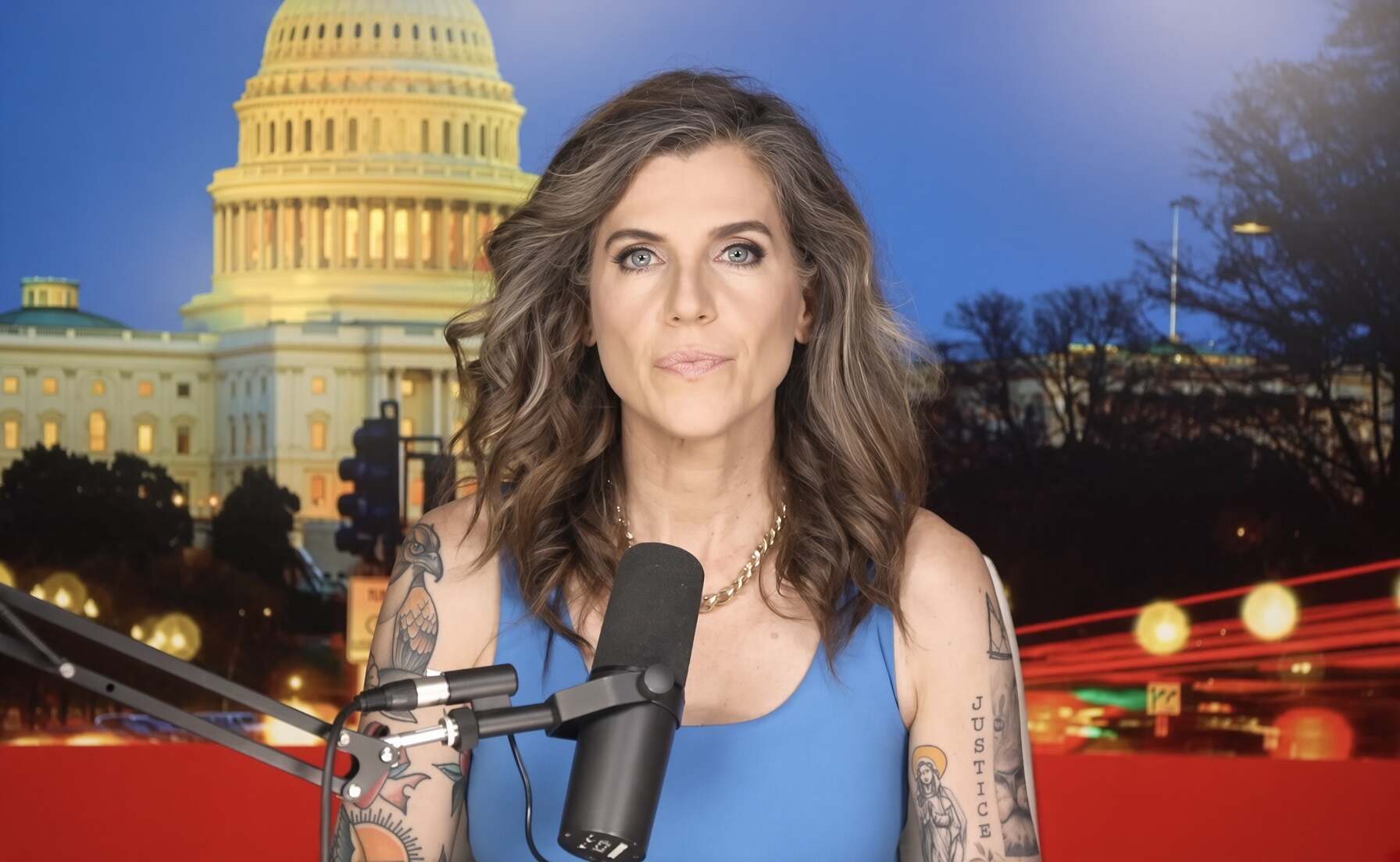
Nancy Mace: A Politician Takes the Fight to the People
FITSNews reports on Nancy Mace's transition from outgoing congresswoman to online talk show host,...
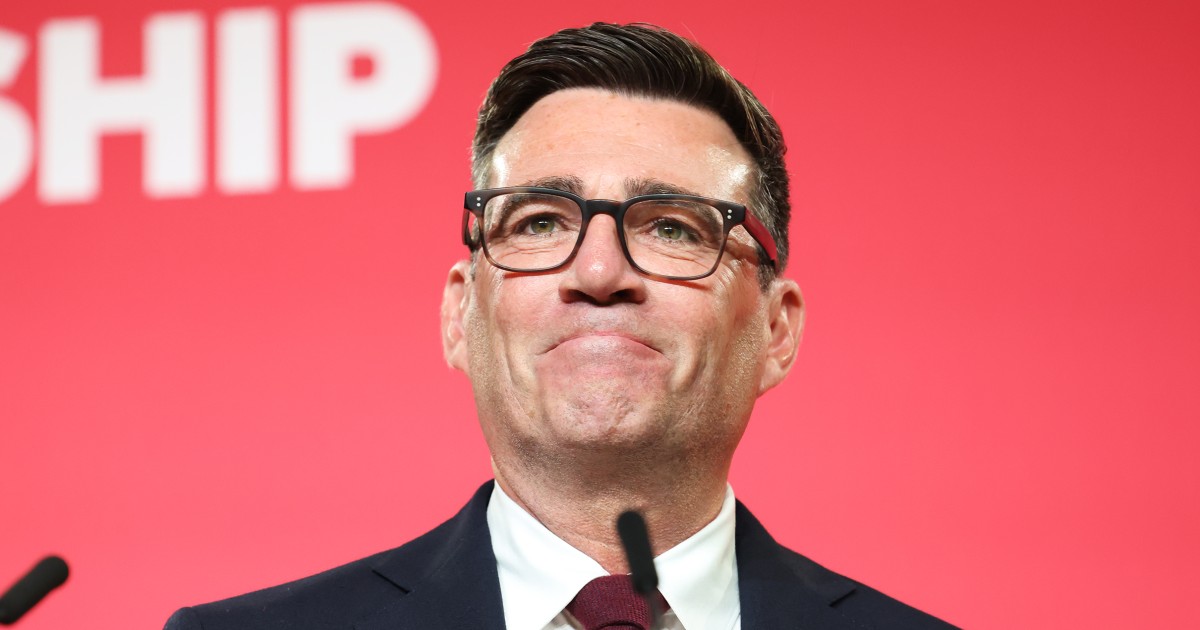
Andy Burnham, the 56-year-old leader who has been nicknamed the 'King of the North', is on the verge of becoming the seventh Prime Minister of the United Kingdom in just a decade. This significant political development follows an agreement by the unpopular Keir Starmer to step down last month, after a series of election defeats, U-turns, and scandals. Burnham, who comes from the same center-left Labour Party as Starmer, will take the reins of power without the need for a general election, as is permissible under the UK's system where ruling parties can change leaders in the middle of an election cycle. The transition is expected to be formalized with a visit to Buckingham Palace, where Burnham will meet with King Charles III to be formally appointed as the new Prime Minister. As he prepares to take office, Burnham faces a multitude of challenges, including addressing the cost-of-living crisis, revitalizing the ailing National Health Service, and navigating the complex debates over immigration and Europe.
The incoming Prime Minister has pledged to introduce radical change, aiming to empower ordinary people by shifting power from the authorities to the populace. In a speech, Burnham emphasized the need to 'build a new politics — the country is crying out for it,' underscoring the urgency of fixing the significant issues that politics has neglected. He also voiced his commitment to reversing what he perceives as the 'wrong turns' taken by Britain since the 1980s, a period marked by the centralization of political power and the privatization of economic power. This ambitious agenda sets the stage for a potentially transformative period in British politics, as Burnham seeks to address the deep-seated issues that have plagued the country for decades. Moreover, his approach is likely to be watched closely by other nations, given the UK's influential role on the global stage. The prospect of Burnham's leadership has already sparked reactions from abroad, with President Donald Trump weighing in on the potential implications for US-UK relations.
Andy Burnham's path to the top job has been marked by a blend of political experience and local leadership. His background includes roles as a Westminster insider and the mayor of Greater Manchester, which have provided him with a broad perspective on the needs and challenges facing different parts of the country. His commanding win in a special election sealed his return to Parliament and paved the way for his ascension to the Prime Minister's office. This blend of national and local experience could serve him well in addressing the diverse issues that Britain faces. Furthermore, his experience in local governance may offer valuable insights into how to effectively implement policies that benefit communities across the UK. As he navigates the complexities of national leadership, Burnham will need to balance the competing demands of different regions and interest groups, all while maintaining a coherent and effective policy framework.
The handover of power from Keir Starmer to Andy Burnham will follow a familiar pattern, with ceremonial events marking the transition. Starmer, who delivered a farewell speech outside his official residence at No. 10 Downing Street, sought to project an image of pride and accomplishment, highlighting achievements such as economic growth and lower net migration figures. He expressed his support for Burnham, stating that the new Prime Minister 'has my full support,' and described his time in office as 'the privilege of my life.' Following the formalities, Burnham will make a landmark speech outlining his vision for the country, an event that will be closely watched by the public, media, and political observers alike. This speech will provide a crucial insight into Burnham's priorities and approach, setting the tone for his premiership and potentially indicating the key policy areas that his government will focus on.
Burnham's leadership will not only be significant for the UK but could also have implications for its relationships with other countries, particularly in the context of global challenges such as climate change, economic cooperation, and security. His potential softer approach to oil and gas exploration in the North Sea, hinted at in recent statements, has already drawn comment from President Trump, who sees this as an opportunity for the UK to bolster its economic position. However, any shift in policy will need to balance economic considerations with environmental concerns, reflecting the complex interplay between these factors in modern governance. The international community will be watching Burnham's decisions closely, given the UK's role in global affairs and its membership in key international organizations. Moreover, Burnham's approach to international relations could have a significant impact on the UK's position within the global economy, influencing trade agreements, diplomatic relationships, and cooperation on shared challenges.
As Andy Burnham prepares to take the reins, he faces not only the monumental task of addressing the UK's domestic challenges but also the critical role of representing British interests abroad. His ability to navigate the intricate landscape of international relations, while simultaneously driving change at home, will be crucial to his success. The coming weeks and months will be pivotal, as Burnham's government begins to implement its policies and responds to the evolving political and economic landscape. The public, along with national and international observers, will be closely watching the new Prime Minister's every move, analyzing the impact of his decisions and the effectiveness of his leadership in steering the UK through its current challenges and towards a more prosperous and stable future. With the weight of responsibility on his shoulders, Burnham's premiership promises to be a defining period in British politics, with far-reaching implications for the country and its place on the world stage.
In conclusion, Andy Burnham's ascension to the role of Prime Minister marks a significant moment in British politics, ushering in a new era of leadership and policy direction. As he embarks on this challenging journey, Burnham will need to draw upon his experience, vision, and leadership skills to address the multifaceted issues facing the UK. The success of his government will depend on its ability to implement effective policies, manage the complexities of international relations, and maintain the trust and confidence of the British public. As the UK looks to the future, under Burnham's leadership, it is clear that the path ahead will be fraught with challenges, but also filled with opportunities for growth, reform, and renewal. The world will be watching as this new chapter in British history unfolds, with the hope that Burnham's leadership will bring about the positive change that the country so urgently needs.
Andy Burnham, dubbed the 'King of the North', is poised to take over as the new British Prime Minister, marking the latest shift in a decade of political turbulence and economic stagnation in the United Kingdom.
FITSNews reports on Nancy Mace's transition from outgoing congresswoman to online talk show host,...

The 2017 US-South Korea military drills were scaled back following a meeting between US President...

The decision to reduce US joint military exercises in South Korea has significant implications for...
Kentucky Gov. Andy Beshear shares his thoughts on Sen. Mitch McConnell's recent refusal to make a...
The United States is reportedly considering imposing new sanctions on a Brazilian judge, according...
A dramatic encounter at Busan Airport marked a pivotal moment in the waning support for Donald...

Netizen tidak senang dengan komentar-komentar yang diberikan

BTS mungkin kembali mengikuti Grammy setelah rekanan mereka, Recording Academy, mengumumkan revisi...
BTS mungkin tidak akan mengubah keputusan untuk mengabaikan Grammy karena deadline pengiriman musik...
Update terbaru tentang keputusan BTS untuk tidak mengirimkan musik mereka untuk dijadikan nominee...
Pihak Recording Academy mengumumkan akan kembali meninju keputusan untuk memperkenalkan kategori...

Sangyeop Sangyeop mengumumkan rencananya untuk menikah dengan seorang non-celebrity, mengejutkan...