





Aerial Drama: Near-Miss Collision Between Two Passenger Jets Averted in the United States
A high-stakes aerial confrontation was narrowly averted in the United States as two commercial...

On a typical Saturday morning, passengers boarding Delta Flight 2204 from Atlanta to Orlando were looking forward to a smooth and uneventful journey. However, what unfolded in the minutes following takeoff would turn their travel plans upside down. A sudden surge of smoke in the flight deck prompted the crew to swiftly declare an emergency, triggering a series of events that would see the plane make an emergency landing and 200 passengers evacuate using the aircraft's emergency slide.
The incident, which occurred on a busy morning at Hartsfield-Jackson Atlanta International Airport, has raised questions about the safety protocols in place at major airports across the United States. As the country's busiest airport, Hartsfield-Jackson Atlanta International Airport handles millions of passengers each year, making air traffic safety a top priority. An investigation into the Delta Flight 2204 emergency is currently underway to determine the exact cause of the smoke condition and whether the crew followed standard procedures to mitigate the situation.
Safety experts point out that emergency landing and evacuation procedures are rigorously tested to minimize risks to passengers and crew. 'The crew followed procedures to return to Hartsfield-Jackson Atlanta International Airport after reports of fumes in the flight deck,' a Delta spokesperson stated. 'A slide evacuation occurred on a taxiway, and customers are being reaccommodated on a new aircraft,' they added, highlighting the swift action taken by the airline to rebook passengers and ensure their safety.
Preliminary reports suggest that the smoke condition was caused by an electrical fault, which is currently being investigated by Delta's maintenance team. While the incident has left many passengers shaken, it serves as a reminder of the robust safety measures in place at major airports to prevent and respond to emergencies. 'Safety is paramount at Delta, and we apologize to our customers for their experience,' the airline's spokesperson emphasized, underscoring the airline's commitment to maintaining the highest standards of air travel safety.
The incident has also highlighted the importance of effective communication between air traffic control and pilots during emergency situations. In the aftermath of the emergency landing, Delta crew members and air traffic controllers worked in tandem to ensure a swift and safe evacuation of passengers. The efficiency of this communication, combined with the crew's adherence to established procedures, contributed to the successful outcome of the emergency landing and evacuation.
As the investigation into the Delta Flight 2204 emergency continues, airlines and airport authorities are reviewing their protocols to ensure that similar incidents are minimized in the future. This includes revisiting emergency landing procedures, enhancing communication between air traffic control and pilots, and improving passenger education on the importance of following safety instructions during emergencies. Ultimately, the goal is to create a culture of air travel safety that prioritizes the well-being of both passengers and crew.
The incident serves as a sobering reminder of the risks associated with air travel, despite its impressive safety record. With millions of passengers flying every day, the likelihood of emergencies cannot be ruled out entirely. However, by prioritizing air travel safety through stringent protocols, effective communication, and passenger awareness, airlines and airports can minimize the risks and ensure that travelers remain safe in the skies.
Delta Flight 2204 Emergency Landing at Atlanta Airport Forces Evacuation of 200 Passengers, Highlights Importance of Airport Safety Protocols
A high-stakes aerial confrontation was narrowly averted in the United States as two commercial...
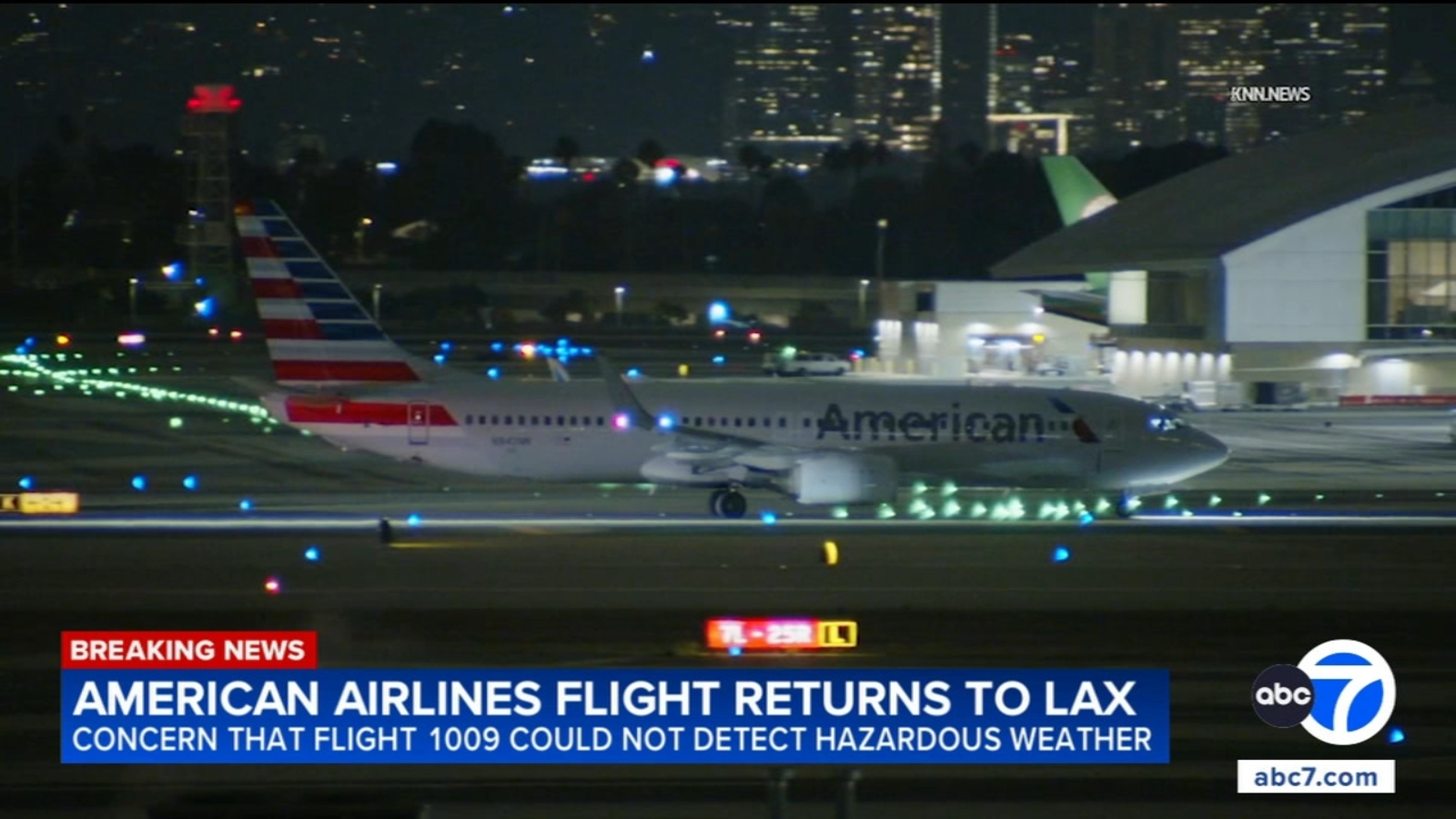
American Airlines flight makes an unexpected return to Los Angeles International Airport for an...
American Airlines flight returns to LAX for emergency landing ABC7 Los Angeles

American Airlines Flight AA1009 Emergency Landing at Los Angeles International Airport, What...
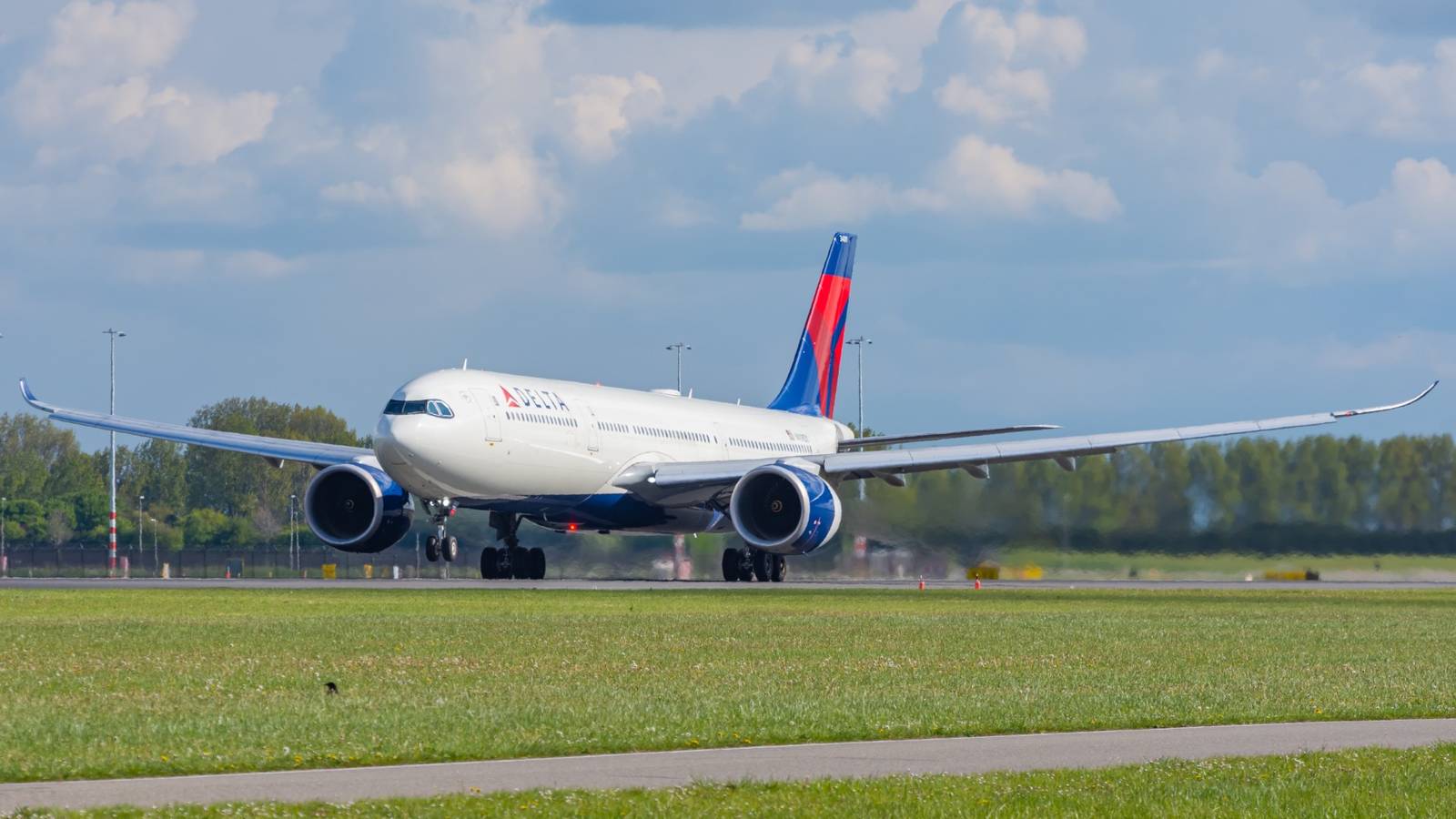
Flight DL81 from Paris to Seattle diverts twice and arrives 10 hours late, with passengers missing...
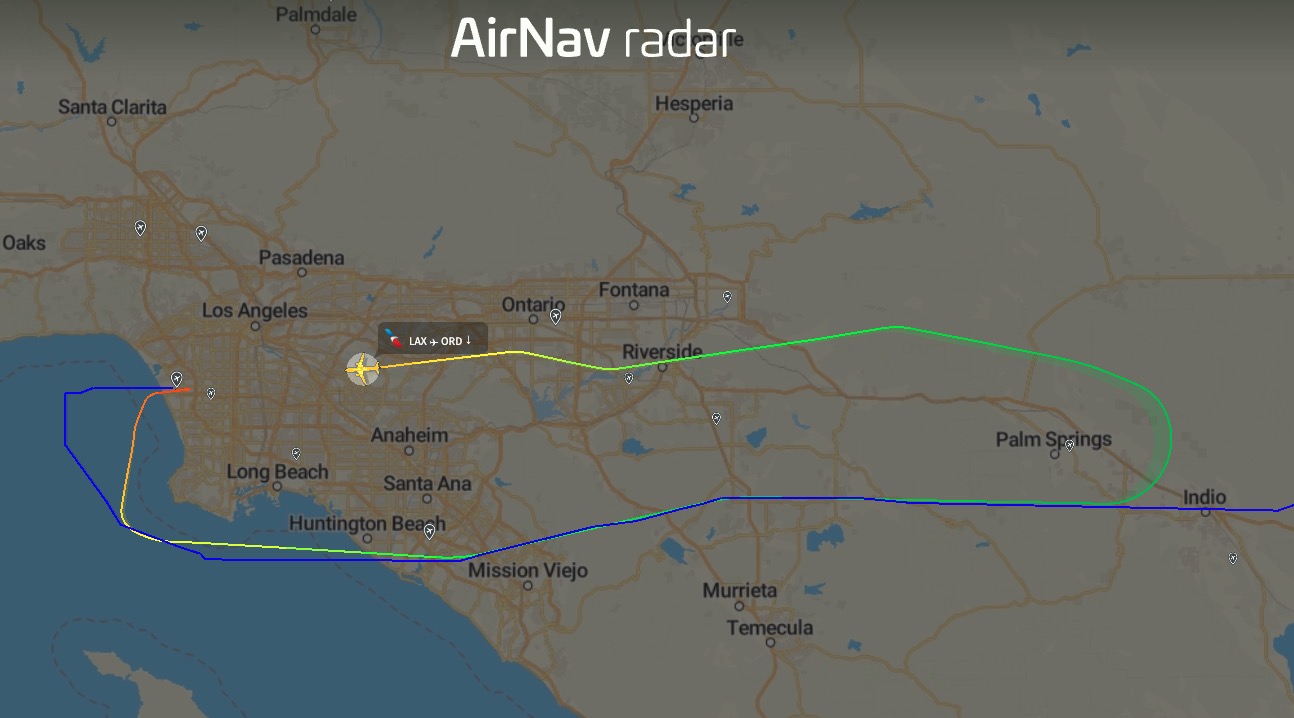
American Airlines Flight AA1009, an American Airlines flight to Chicago with 145 passengers,...

Netizen tidak senang dengan komentar-komentar yang diberikan

BTS mungkin kembali mengikuti Grammy setelah rekanan mereka, Recording Academy, mengumumkan revisi...
BTS mungkin tidak akan mengubah keputusan untuk mengabaikan Grammy karena deadline pengiriman musik...
Update terbaru tentang keputusan BTS untuk tidak mengirimkan musik mereka untuk dijadikan nominee...
Pihak Recording Academy mengumumkan akan kembali meninju keputusan untuk memperkenalkan kategori...

Sangyeop Sangyeop mengumumkan rencananya untuk menikah dengan seorang non-celebrity, mengejutkan...