



Hawaiian Electric Provides Statewide Power Restoration Update
Hawaiian Electric has issued a comprehensive update on the status of power restoration across the...
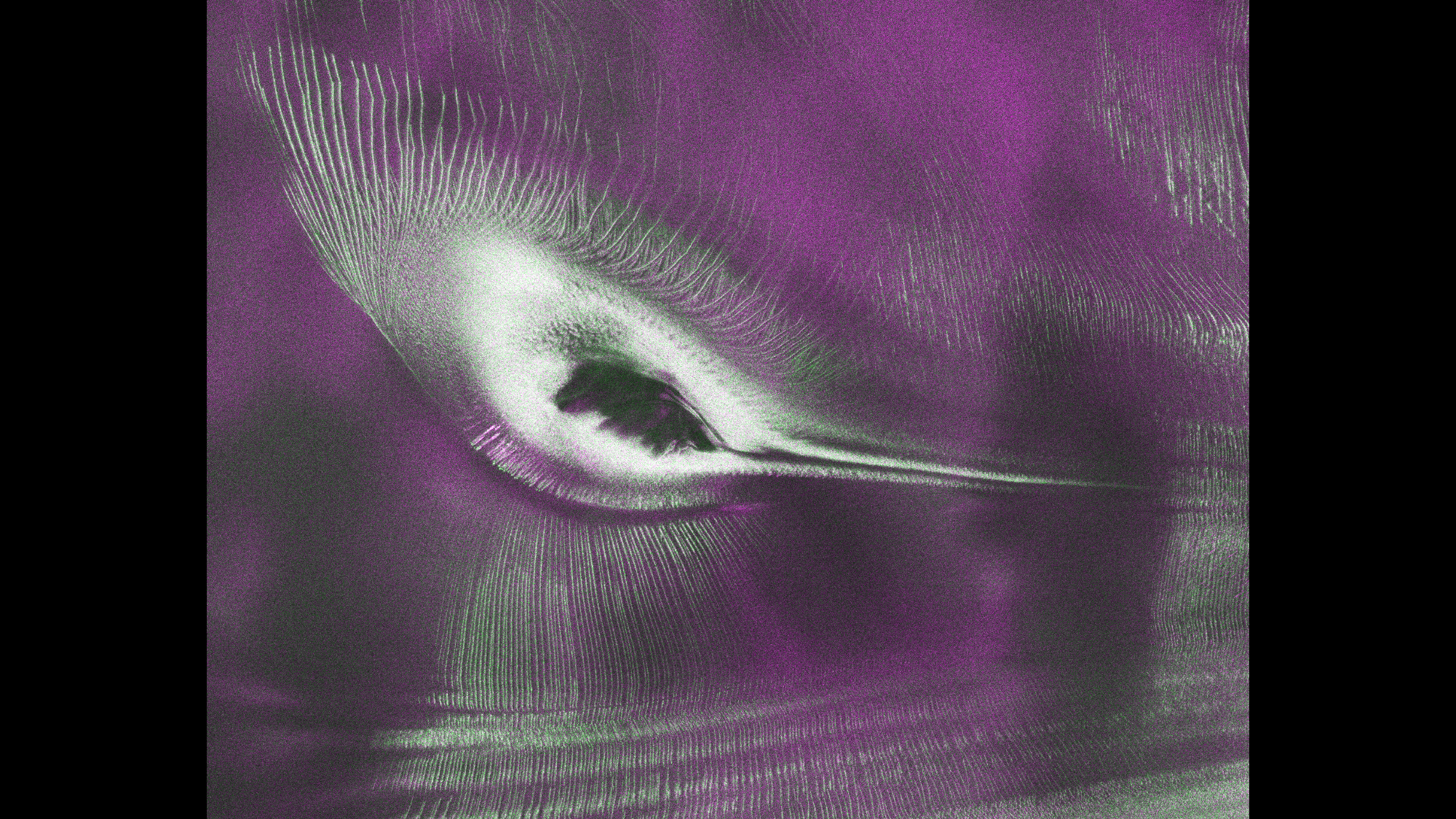
The field of space exploration has witnessed numerous groundbreaking discoveries in recent years, and the latest satellite image from Antarctica is no exception. This remarkable image, captured by the NASA-ISRO Synthetic Aperture Radar (NISAR) satellite, has left scientists and space enthusiasts alike in awe. The image depicts what appears to be a colorful hummingbird emerging from the crest of a mountaintop in East Antarctica. However, as beautiful as this image may seem, it is actually a representation of important glacier data. The dark belly of the 'hummingbird' is, in fact, the top of the mountain Nunatak Zaterjavshijsja, while the stream of ice flowing northeast resembles the bird's tail.
The NISAR satellite, a collaboration between NASA and the Indian Space Research Organisation (ISRO), has been equipped with state-of-the-art radar instruments that enable it to capture high-resolution images of the Earth's surface. The director of NASA's Earth Science Division has described NISAR as 'the most sophisticated radar we've ever built,' highlighting its capabilities in capturing detailed images of our planet. The image of the 'hummingbird' in Antarctica is a testament to the satellite's advanced technology and its ability to provide valuable insights into glacier movements and ice formation. According to Seongsu Jeong, the signal analysis engineer who produced the image, 'First, it's a beautiful image, with rich details of features that provide insights to how the glacier is moving. Then, because radar can often see through snow and deep into the ice, NISAR can observe fundamentally different properties of Antarctic ice than can be seen in optical imagery.'
The implications of this discovery are significant, as it provides scientists with a unique opportunity to study the glaciers in Antarctica and gain a better understanding of the impact of climate change on these sensitive ecosystems. The fact that the NISAR satellite can see through snow and deep into the ice enables researchers to gather data that was previously inaccessible. As Jeong noted, 'With NISAR we're seeing what's hidden beneath the surface.' This data will be invaluable in helping scientists to develop more accurate models of glacier movements and ice formation, which will ultimately inform our understanding of the effects of climate change on our planet. Furthermore, the release of NISAR's data to the public will enable researchers from around the world to contribute to this important field of study, fostering a collaborative approach to addressing the challenges posed by climate change.
The release of NISAR's data to the public is a significant development, as it will enable researchers from diverse backgrounds to contribute to the study of glacier movements and ice formation. By making this data available, NASA and ISRO are facilitating a global effort to better understand the impact of climate change on our planet. As the world grapples with the challenges posed by rising temperatures and melting ice caps, the importance of this research cannot be overstated. The study of glaciers and ice formation is crucial to our understanding of the Earth's climate system, and the data provided by NISAR will be a valuable resource for scientists working in this field. Moreover, the collaboration between NASA and ISRO on the NISAR project is a testament to the power of international cooperation in advancing our knowledge of the universe and addressing the challenges posed by climate change.
In the future, the data provided by NISAR will be instrumental in informing our understanding of the Earth's climate system and the impact of climate change on our planet. As researchers continue to study the glaciers in Antarctica and other regions, they will be able to develop more accurate models of glacier movements and ice formation. This, in turn, will enable policymakers and scientists to develop more effective strategies for mitigating the effects of climate change. The study of glaciers and ice formation is an ongoing process, and the data provided by NISAR will be a valuable resource for scientists working in this field. Moreover, the collaboration between NASA and ISRO on the NISAR project is a testament to the power of international cooperation in advancing our knowledge of the universe and addressing the challenges posed by climate change.
The 'hummingbird' in Antarctica is more than just a unique image – it represents a significant breakthrough in our understanding of glacier movements and ice formation. The data provided by NISAR will be instrumental in informing our understanding of the Earth's climate system and the impact of climate change on our planet. As we continue to explore the universe and advance our knowledge of the Earth's climate system, we are reminded of the importance of international cooperation and the need for continued investment in scientific research. The study of glaciers and ice formation is crucial to our understanding of the Earth's climate system, and the data provided by NISAR will be a valuable resource for scientists working in this field. Furthermore, the release of NISAR's data to the public will enable researchers from around the world to contribute to this important field of study, fostering a collaborative approach to addressing the challenges posed by climate change.
In conclusion, the 'hummingbird' in Antarctica is a remarkable image that provides valuable insights into glacier movements and ice formation. The data provided by NISAR will be instrumental in informing our understanding of the Earth's climate system and the impact of climate change on our planet. As we continue to explore the universe and advance our knowledge of the Earth's climate system, we are reminded of the importance of international cooperation and the need for continued investment in scientific research. The collaboration between NASA and ISRO on the NISAR project is a testament to the power of international cooperation in advancing our knowledge of the universe and addressing the challenges posed by climate change. The study of glaciers and ice formation is crucial to our understanding of the Earth's climate system, and the data provided by NISAR will be a valuable resource for scientists working in this field.
As we look to the future, it is clear that the study of glaciers and ice formation will continue to play a critical role in our understanding of the Earth's climate system. The data provided by NISAR will be a valuable resource for scientists working in this field, and the release of this data to the public will facilitate a global effort to address the challenges posed by climate change. The 'hummingbird' in Antarctica is a reminder of the beauty and complexity of the natural world, and the importance of continued investment in scientific research. By working together and sharing our knowledge and expertise, we can develop a deeper understanding of the Earth's climate system and work towards a more sustainable future for our planet. The implications of this discovery are significant, and it is clear that the study of glaciers and ice formation will continue to be an important area of research in the years to come.
A stunning satellite image captured over Antarctica has revealed a unique formation resembling a hummingbird, providing valuable insights into glacier movements and ice formation.
Hawaiian Electric has issued a comprehensive update on the status of power restoration across the...

Darren Pai from Hawaiian Electric shares a critical 5 p.m. update on the ongoing power outage...

Hawaiian Electric Company is pushing towards a major 'green power' milestone, targeting nearly...
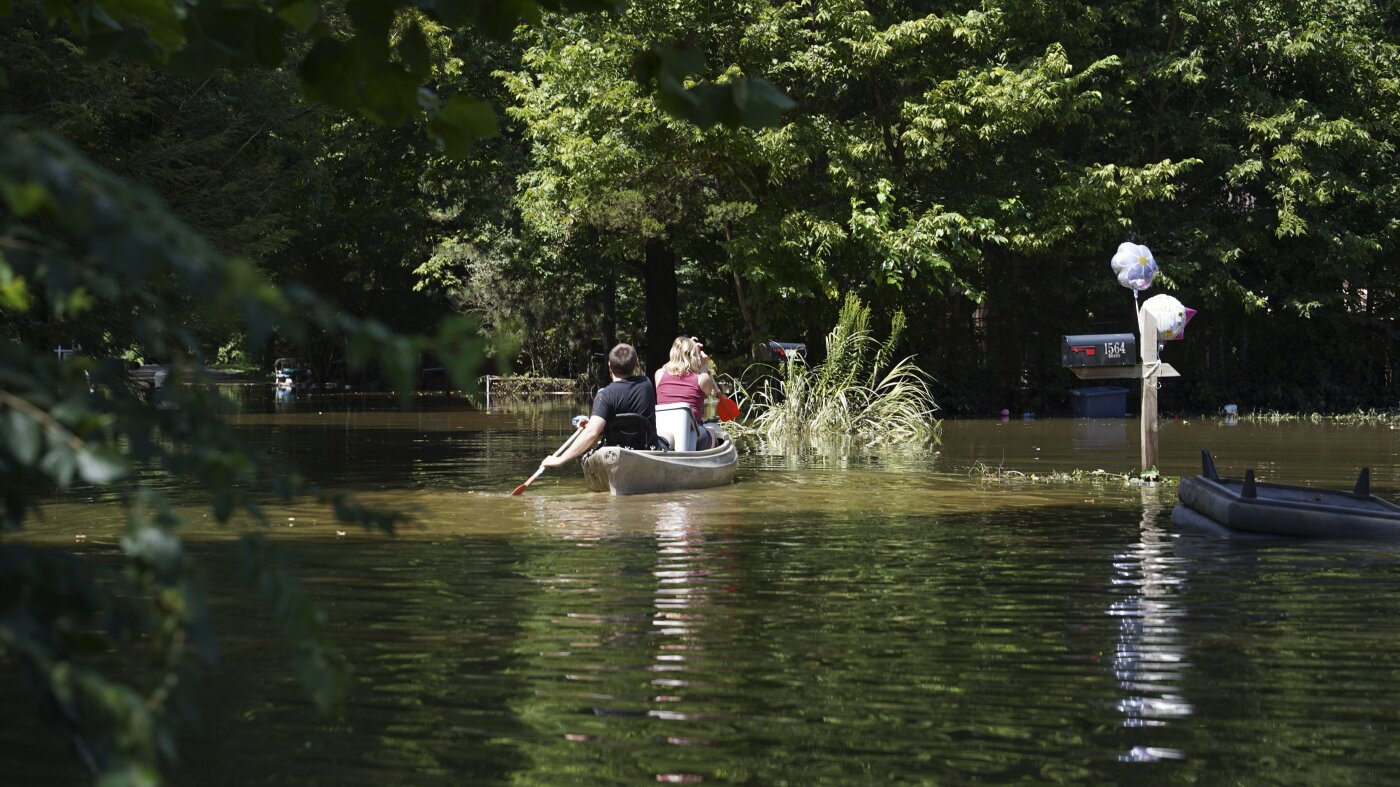
The floods that have been battering Indiana for days have left a trail of destruction and claiming...

Tropical Storm Lala made headlines by producing snow on the summit of Mauna Kea, a rare and...

Get an exclusive look at Elon Musk's vast SpaceX empire, a multibillion-dollar behemoth quietly...

Netizen tidak senang dengan komentar-komentar yang diberikan

BTS mungkin kembali mengikuti Grammy setelah rekanan mereka, Recording Academy, mengumumkan revisi...
BTS mungkin tidak akan mengubah keputusan untuk mengabaikan Grammy karena deadline pengiriman musik...
Update terbaru tentang keputusan BTS untuk tidak mengirimkan musik mereka untuk dijadikan nominee...
Pihak Recording Academy mengumumkan akan kembali meninju keputusan untuk memperkenalkan kategori...

Sangyeop Sangyeop mengumumkan rencananya untuk menikah dengan seorang non-celebrity, mengejutkan...