



Hawaiian Electric Provides Statewide Power Restoration Update
Hawaiian Electric has issued a comprehensive update on the status of power restoration across the...

Washington D.C. - The National Weather Service has issued a series of extreme heat warnings for a vast region spanning from the desert Southwest to the Gulf Coast, including major cities such as Dallas, Denver, and Oklahoma City. As a massive heat dome settles over the central United States, temperatures are expected to skyrocket, pushing above 100 degrees Fahrenheit (37.8 degrees Celsius) in many areas and potentially breaking records in some locations. This scorching heat wave is forecast to last for several days, with temperatures expected to remain consistently high even at night, making it difficult for people to get relief from the heat.
The heat dome, a meteorological phenomenon where atmospheric conditions trap heat, will create a prolonged period of uncomfortable and potentially hazardous conditions for millions of people. The region's residents are advised to take precautions, as the heat wave poses a significant risk, particularly to vulnerable populations such as children, the elderly, and people with pre-existing medical conditions. Heat-related illnesses, including heat exhaustion and heat stroke, can have serious consequences, and in severe cases, they can be life-threatening.
As the heat wave takes hold, forecasters are warning of record-breaking temperatures across the region. In western Nebraska, for example, temperatures are predicted to reach a sizzling 108 degrees Fahrenheit (42 Celsius) over the weekend. The heat will also make it feel even worse due to high humidity levels. The prolonged heat wave is expected to put a strain on local resources, including healthcare services, as people seek relief from the oppressive temperatures.
The heat wave has been forecast to persist throughout the week, with temperatures remaining high even in normally temperate areas such as Montana and Wyoming. While some relief is expected toward the end of next week, it may be temporary, according to Bob Oravec, a meteorologist with the National Weather Service. Oravec emphasized that it is essential for people to take necessary precautions, as the heat wave poses a significant risk, especially for vulnerable populations.
The region's heat wave is not the only extreme weather event to have affected the country this summer. The eastern United States endured an unbearably hot early July, which forced communities to cancel Independence Day celebrations and disrupted the country's 250th anniversary. Another heat wave in mid-July hit the Southwest and Great Plains. This latest heat wave is part of a broader trend, with rising carbon dioxide levels from burning fossil fuels making it more likely for hotter weather to become more frequent and extreme, according to Andy Pershing, chief program officer at Climate Central, a climate change communications nonprofit.
Climate change has become a pressing concern globally, with many regions experiencing record-breaking heat waves, devastating wildfires, and extreme weather events. Rising carbon dioxide levels and other greenhouse gas emissions are contributing to these changes, underscoring the need for urgent climate action. As the heat wave grips the central United States, it serves as a stark reminder of the imperative to address climate change and mitigate its impacts.
People are advised to seek air-conditioned spaces or cooling centers, stay hydrated by drinking plenty of water, and limit their time under the direct sun. Children, the elderly, and people with pre-existing medical conditions are particularly at risk, as they may be more susceptible to heat-related illnesses.
Some areas will be spared from the extreme heat, including the Mid-Atlantic and Northeast, as well as much of the Pacific Northwest. While the heat wave is expected to last for several days, relief may come toward the end of next week, but its duration is uncertain.
The science behind climate change suggests that we are experiencing more frequent, more severe heat waves globally. The heat dome moving across the central United States is a stark example of the consequences of climate change.
A massive heat dome is moving across the central United States, setting the stage for a prolonged and potentially devastating heat wave that could affect millions of people.
Hawaiian Electric has issued a comprehensive update on the status of power restoration across the...

Darren Pai from Hawaiian Electric shares a critical 5 p.m. update on the ongoing power outage...

Stay informed about Tropical Storm Lala's impact on Hawaii, with updates on warnings, advisories,...

Rain Suspends Shelton-Faria ATP Tour Match
A comprehensive overview of the Sorrento Fire, including its impact, key facts, and future...
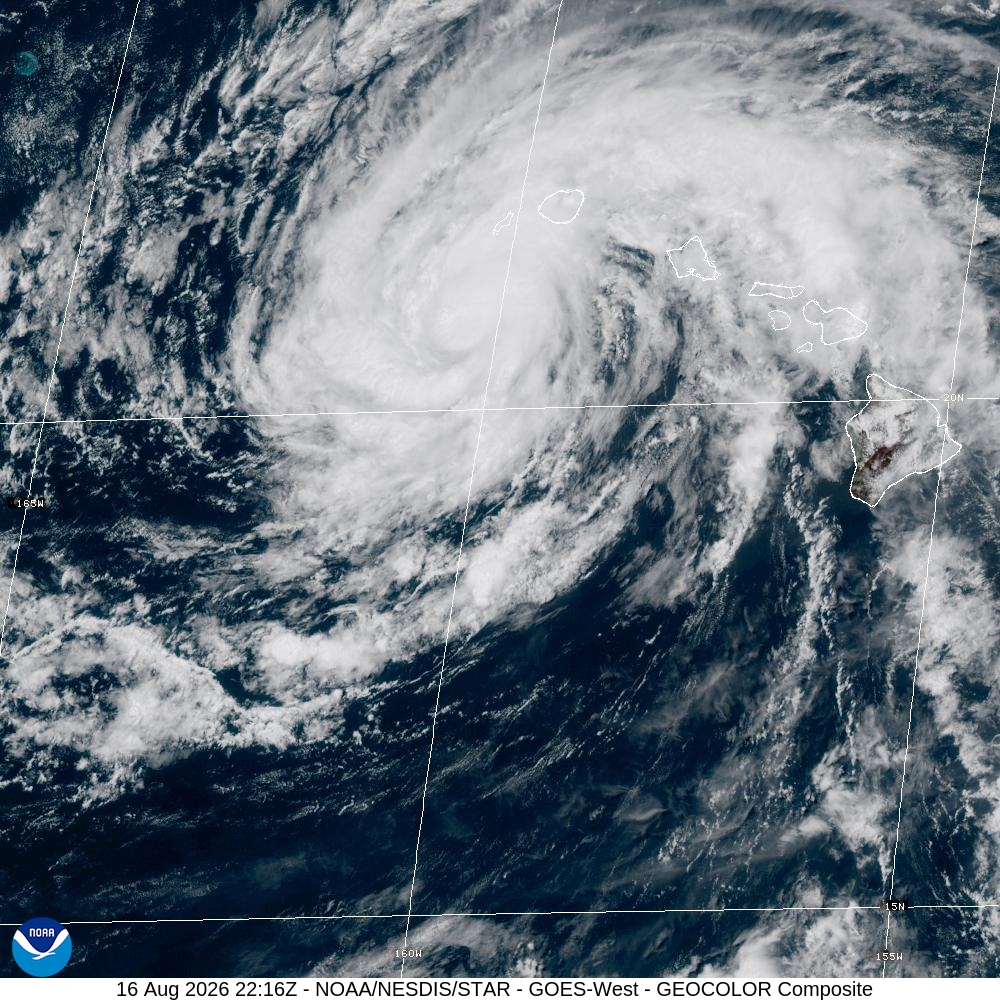
Tropical Storm Lala brought unprecedented rainfall and snowfall to Hawaii, raising questions about...

Netizen tidak senang dengan komentar-komentar yang diberikan

BTS mungkin kembali mengikuti Grammy setelah rekanan mereka, Recording Academy, mengumumkan revisi...
BTS mungkin tidak akan mengubah keputusan untuk mengabaikan Grammy karena deadline pengiriman musik...
Update terbaru tentang keputusan BTS untuk tidak mengirimkan musik mereka untuk dijadikan nominee...
Pihak Recording Academy mengumumkan akan kembali meninju keputusan untuk memperkenalkan kategori...

Sangyeop Sangyeop mengumumkan rencananya untuk menikah dengan seorang non-celebrity, mengejutkan...