



Pemerintah Kabupaten Aceh Tamiang: Bumi Muda Sedia Pulih dan Bangkit
Pemerintah Kabupaten Aceh Tamiang: Bumi Muda Sedia Pulih dan Bangkit — Informasi Terbaru
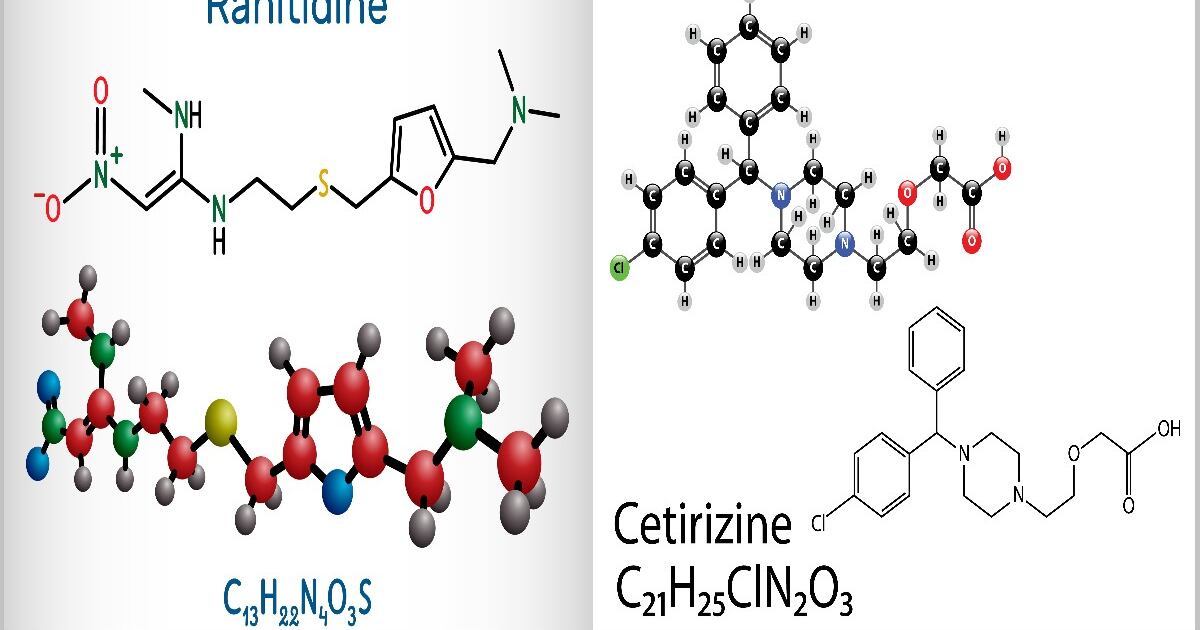
The US Food and Drug Administration (FDA) recently announced a recall of several popular allergy medications due to the presence of ranitidine, a known carcinogen. Cetirizine, a widely prescribed antihistamine used to treat seasonal allergies, has been implicated in the recall, leaving millions of consumers wondering about the safety of their medication. As part of the ongoing investigation, it has been revealed that contaminated cetirizine products may have entered the supply chain, posing a significant risk to public health. The FDA, in collaboration with pharmaceutical manufacturers, has initiated an immediate recall of affected products to minimize the potential harm to consumers. This move is in line with the agency's commitment to ensuring the safety and efficacy of drugs available in the US market.
Ranitidine, an H2-receptor antagonist, was once a widely used medication for treating heartburn and ulcers; however, its carcinogenic properties have been well-documented. In 2019, the FDA requested that all ranitidine products be removed from the market due to potential contamination with the cancer-causing agent N-nitrosodimethylamine (NDMA). The latest developments in the cetirizine recall have raised concerns that contaminated products may have been distributed to pharmacies and consumers, resulting in potential exposure to this carcinogen. The FDA and regulatory bodies have implemented strict guidelines for pharmaceutical manufacturers to follow, ensuring that all products undergo rigorous testing before entering the market.
Investigations have revealed that the contamination is likely due to the presence of a chemical byproduct called N-nitrosodimethylamine (NDMA), which has been linked to an increased risk of cancer. NDMA is a known impurity in ranitidine, and its presence in cetirizine products has sparked widespread concern. Manufacturers, in collaboration with regulatory agencies, are working diligently to identify the root cause of the contamination and take corrective action to prevent future occurrences. As a precautionary measure, the FDA has urged all consumers who have taken contaminated cetirizine products to report any adverse reactions or concerns to the agency immediately.
The implications of the cetirizine recall are far-reaching, affecting not only consumers but also the pharmaceutical industry as a whole. Regulatory bodies have implemented enhanced quality control measures to detect and prevent contamination, which has led to increased costs for manufacturers and potential disruptions in the supply chain. As a result, the recall has raised questions about the effectiveness of current quality control measures and the need for more robust testing procedures. Furthermore, the recall highlights the importance of continuous vigilance and collaboration between manufacturers, regulatory agencies, and consumers to ensure the safe and effective use of medications.
The recall has also sparked renewed calls for transparency and accountability within the pharmaceutical industry. In the wake of the investigation, several pharmaceutical manufacturers have come under scrutiny for their handling of the contaminated products. As the FDA continues to monitor the situation, it is essential for consumers to remain informed and proactive in seeking safe and effective treatment options for allergies and other conditions. In response to the recall, manufacturers have pledged to implement enhanced quality control measures to prevent future contamination, including the use of more stringent testing protocols and improved manufacturing procedures.
The US market will likely feel the impact of this recall for years to come. Regulatory agencies and pharmaceutical manufacturers must work together to ensure the safe and effective use of medications, taking into account the complex supply chain and potential vulnerabilities. By prioritizing quality control measures, conducting thorough testing, and engaging in transparent communication with consumers, manufacturers can help minimize the risk of future recalls and maintain public trust in the pharmaceutical industry. Moreover, the recall serves as a timely reminder of the importance of vigilant monitoring and ongoing research into the potential risks associated with medications.
Going forward, the key to minimizing the risk of future recalls will be through the implementation of stricter quality control measures and enhanced transparency within the pharmaceutical industry. This includes improved quality control procedures, more stringent testing protocols, and regular audits to detect potential contamination. Regulatory agencies must also remain vigilant, monitoring the supply chain and enforcing strict guidelines for manufacturers to ensure compliance. As a result, consumers can be assured that the pharmaceutical industry is committed to providing safe and effective treatments, backed by robust quality control measures and rigorous testing procedures.
Learn about the latest developments in the cetirizine recall due to ranitidine contamination in the US. Get insights on the key facts, analysis, and implications.
Pemerintah Kabupaten Aceh Tamiang: Bumi Muda Sedia Pulih dan Bangkit — Informasi Terbaru

Acara 600 ribu porsi kulinier gratis di Monas, menghidupkan semangat kebangsaan dan memperkuat rasa...

Hayden Panettiere, bintang televisi Amerika yang terkenal dengan perannya dalam serial 'Heroes' dan...

Jalan Merdeka Barat Dekat Istana Merdeka Jadi Parkir Liar Warga yang ke Monumen Nasional IDN Times

Kopassus Mengudara: Aksi Terjun Payung Terunggul di Istana Merdeka - Media Indonesia

Watch the live action of Tijuana vs. Cruz Azul, all the latest news, analysis, and match scores...

Netizen tidak senang dengan komentar-komentar yang diberikan

BTS mungkin kembali mengikuti Grammy setelah rekanan mereka, Recording Academy, mengumumkan revisi...
BTS mungkin tidak akan mengubah keputusan untuk mengabaikan Grammy karena deadline pengiriman musik...
Update terbaru tentang keputusan BTS untuk tidak mengirimkan musik mereka untuk dijadikan nominee...
Pihak Recording Academy mengumumkan akan kembali meninju keputusan untuk memperkenalkan kategori...

Sangyeop Sangyeop mengumumkan rencananya untuk menikah dengan seorang non-celebrity, mengejutkan...