



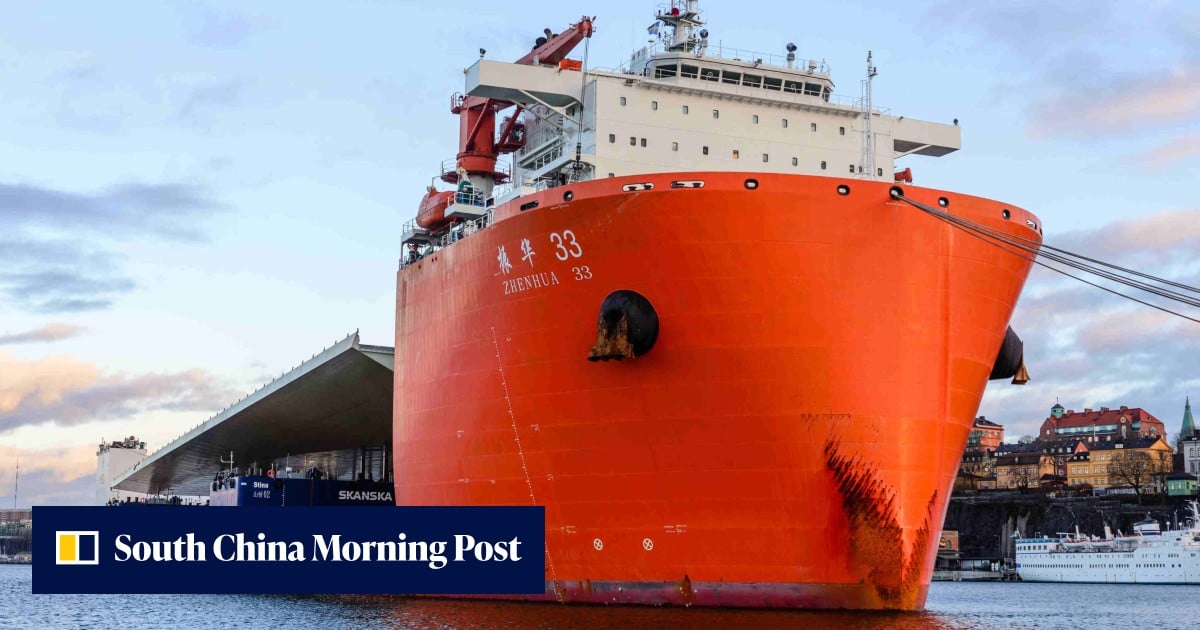
China's Maritime Strategy: Converting Civilian Ships for Wartime Use
China is being urged to prepare its civilian ships for potential wartime use, a move that has...
The practice, commonly referred to as transshipment, has been repeatedly denounced by Washington, where companies assemble final products in another country to avoid being labeled "Made in China". This tactic allows businesses to ship their completed products to the United States from countries with lower tariffs, as per the American government. This phenomenon has become increasingly prevalent, with an escalating share of products undergoing transshipment before reaching the United States without providing any substantial increase in quantity. In reality, this practice is often nothing more than a mere rebranding of the original product with minimal actual modifications. Washington, however, considers this practice to be illicit, particularly when the transit through a third-party country is confined merely to a simple reconditioning or a change of the product's brand.
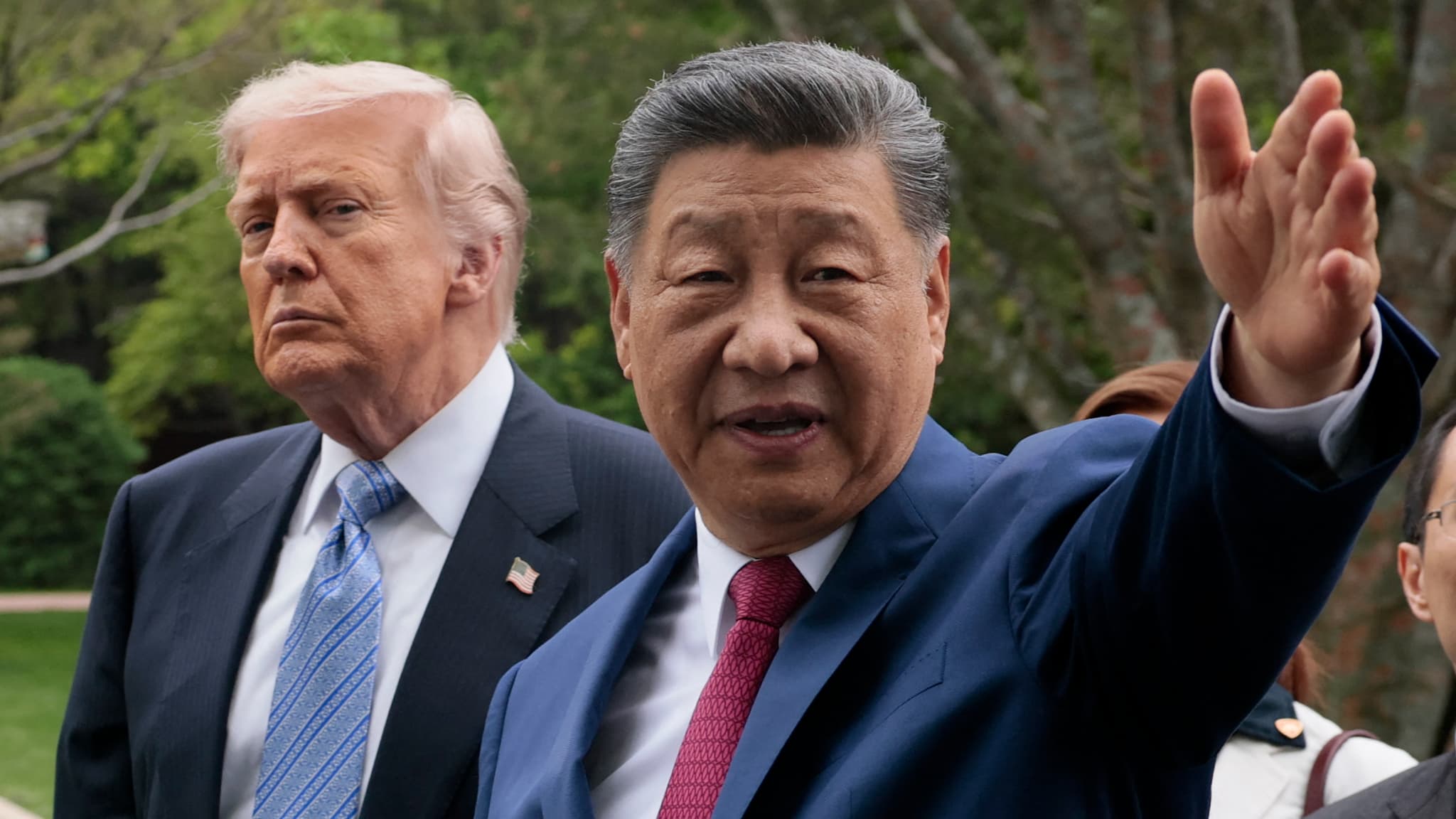
Although the report doesn't single out China exclusively, it suggests that the world's second-largest economy uses this practice on a much broader scale. "China has been carrying out a real scam for years via transshipment, hiding the origin of the products through a transit via over 40 countries, fleecing our budget with tens of billions of dollars," alleged Donald Trump's trade advisor, Peter Navarro, during a telephone briefing. Washington has been pressuring its trading partners for over a year now, threatening reprisals in the form of higher tariffs if they fail to take measures to limit the possibilities of Chinese products being transshipped via their territory. In January, Donald Trump even threatened Canada once again when Ottawa sought to develop its economic ties with China, particularly to address the ongoing commercial tensions between the two nations since Donald Trump's return to the White House.
Even though Washington expresses concerns over Chinese companies setting up factories in other countries, this practice is common among numerous enterprises worldwide that assemble several stages of their production in diverse locations without necessarily aiming to circumvent any restrictions. Furthermore, transshipment is not unique to the Chinese or the United States; many international businesses engage in the practice for a range of reasons including cost savings and logistical efficiency. Nevertheless, the American government maintains that transshipment is a form of unfair trade practice that undermines the integrity of the global supply chain.
The transshipment controversy is just one manifestation of the deepening trade tensions between the United States and China. As the trade war between the two superpowers escalates, both nations are resorting to aggressive tactics to counter each other's moves. The Chinese government has responded to US tariffs by targeting American exports to China, including iconic American products such as soybeans and liquefied natural gas. Meanwhile, Washington continues to ratchet up pressure on its trading partners, including the European Union, to take action against Chinese companies that engage in illicit trade practices.
In reality, transshipment is a complex issue that defies easy solutions. While Washington's efforts to crack down on transshipment may be well-meaning, they risk inadvertently harming innocent businesses and causing disruptions to global supply chains. It remains to be seen whether the United States can effectively tackle this issue and restore fairness and transparency to international trade. One thing, however, is clear: the ongoing trade war between the United States and China poses significant risks to the global economy and calls for a more nuanced and cooperative approach to address these complex issues.
As the world watches the unfolding drama of the US-China trade war, one thing is certain: the stakes are high and the consequences of failure are dire. It is imperative that both nations engage in meaningful dialogue and work towards a mutually beneficial solution that promotes fair trade, innovation, and economic growth for all. Only by adopting a collaborative and forward-looking approach can we hope to create a more just and prosperous global economy for generations to come.
In conclusion, the controversy over transshipment highlights the complexities of the US-China trade dispute. While Washington's efforts to tackle the issue are well-intentioned, they also underscore the need for a more cooperative and nuanced approach to address the deep-seated contradictions and imbalances of the global trade system. By engaging in constructive dialogue and exploring innovative solutions, we can create a more just and equitable international trade order that serves the interests of all nations and peoples.
China has been running a scam for years, according to Washington, with over 40 countries serving as middlemen for Chinese products to evade US tariffs as per a recent White House report.
China is being urged to prepare its civilian ships for potential wartime use, a move that has...

Experience the nostalgic charm of EPCOT's retro-futuristic Dreamfinder attraction as it returns to...

Knoxville Nationals Revamps Format and Lineups for a Pulsating Saturday
As China's rise in Asia intensifies, Trump redirects US attention to Iranian tensions, sparking...
A high-stakes aerial confrontation was narrowly averted in the United States as two commercial...
US Trade War Escalates as Trump Administration Imposes Tariffs on Drone Imports thehill.com

Netizen tidak senang dengan komentar-komentar yang diberikan

BTS mungkin kembali mengikuti Grammy setelah rekanan mereka, Recording Academy, mengumumkan revisi...
BTS mungkin tidak akan mengubah keputusan untuk mengabaikan Grammy karena deadline pengiriman musik...
Update terbaru tentang keputusan BTS untuk tidak mengirimkan musik mereka untuk dijadikan nominee...
Pihak Recording Academy mengumumkan akan kembali meninju keputusan untuk memperkenalkan kategori...

Sangyeop Sangyeop mengumumkan rencananya untuk menikah dengan seorang non-celebrity, mengejutkan...