




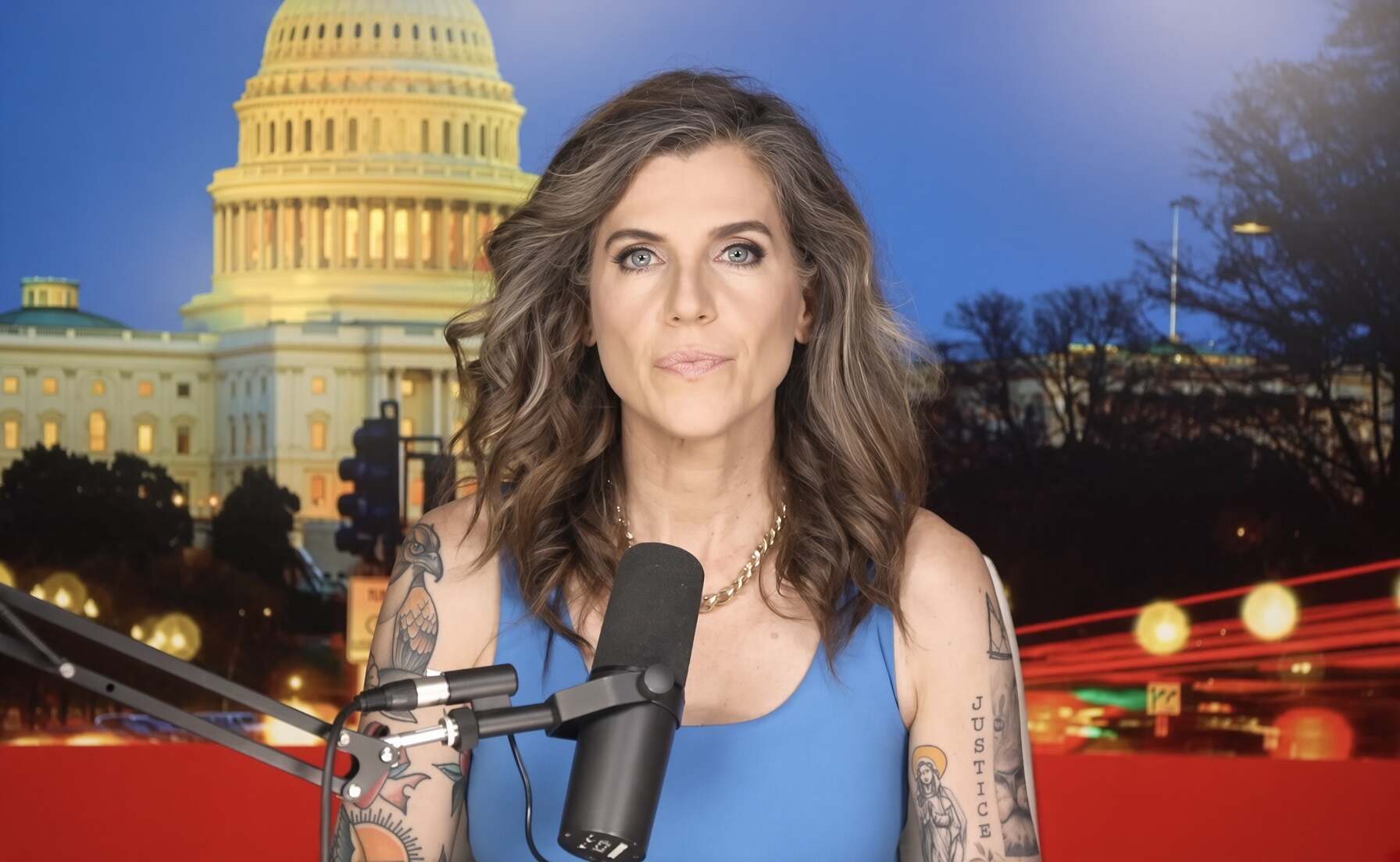
Nancy Mace: A Politician Takes the Fight to the People
FITSNews reports on Nancy Mace's transition from outgoing congresswoman to online talk show host,...
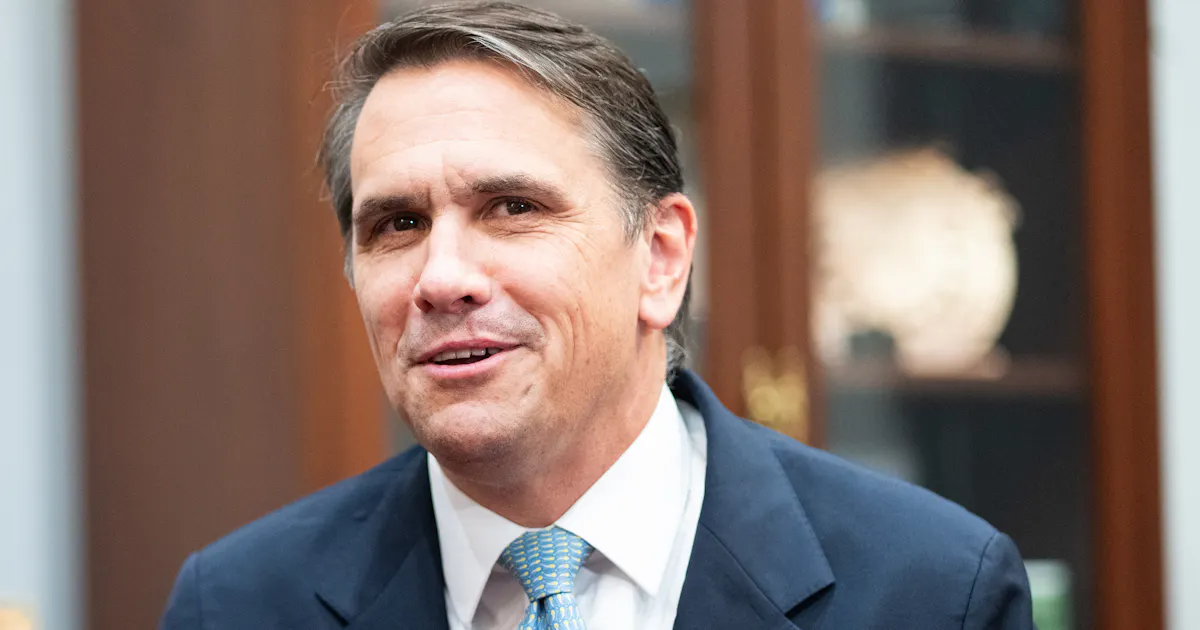
The Trump administration's refusal to declare the $1.8 billion Anti-Weaponization Fund dead has raised questions about the fund's future and the administration's commitment to transparency. According to recent reports, the Department of Justice (DOJ) has refused to file a declaration under the penalty of perjury stating that the fund will not proceed in any manner.
This development comes after U.S. District Judge Leonie Brinkema ordered the government to file a declaration by June 19. Instead of complying with the order, the DOJ cited 'serious separation of powers concerns' and claimed that previous statements by administration officials, including Acting Attorney General Todd Blanche, were sufficient. Blanche had stated that the fund was 'not going forward, period,' but the administration's reluctance to put this in writing has fueled speculation about the fund's true status.
The controversy surrounding the Anti-Weaponization Fund has been ongoing, with critics accusing the administration of attempting to create a slush fund that could be used for various purposes, including reimbursing allies and supporting certain political causes. The fund's opponents argue that it lacks transparency and accountability, and that its creation could undermine the rule of law and the principles of good governance.
In addition to the concerns about the fund's transparency and accountability, there are also questions about the administration's motives and the potential implications of the fund's creation. Some have suggested that the fund could be used to support the administration's political allies or to further the president's personal interests. Others have raised concerns about the potential impact on the rule of law and the principles of good governance.
Looking ahead, it is unclear what the ultimate fate of the Anti-Weaponization Fund will be. The administration's refusal to declare the fund dead has created uncertainty and fueled speculation about the fund's future. As the controversy continues to unfold, it is likely that there will be ongoing debates and discussions about the fund's transparency, accountability, and potential implications.
In the context of the current political landscape, the controversy surrounding the Anti-Weaponization Fund is just one of several issues that are likely to shape the national conversation in the coming months. The administration's actions and decisions will be closely watched, and the implications of those decisions will be carefully considered. As the country looks to the future, it is clear that the principles of transparency, accountability, and good governance will be essential in ensuring that the government serves the interests of the American people.
Furthermore, the issue of the Anti-Weaponization Fund is closely tied to the broader discussion about the role of government and the principles of democratic governance. The administration's actions and decisions will have significant implications for the country and its people, and it is essential that the government is transparent and accountable in its decision-making processes.
In conclusion, the controversy surrounding the Anti-Weaponization Fund is a complex and multifaceted issue that raises important questions about transparency, accountability, and the principles of good governance. As the administration's actions and decisions continue to shape the national conversation, it is essential that the country remains vigilant and ensures that the government serves the interests of the American people.
The issue of the Anti-Weaponization Fund also highlights the importance of a free and independent press in holding the government accountable. The media has played a crucial role in reporting on the controversy and shedding light on the administration's actions and decisions. As the country looks to the future, it is clear that a robust and independent press will be essential in ensuring that the government is transparent and accountable.
Additionally, the controversy surrounding the Anti-Weaponization Fund underscores the need for ongoing scrutiny and oversight of the administration's actions and decisions. The country must remain vigilant and ensure that the government is serving the interests of the American people, rather than pursuing its own interests or agendas.
In the end, the fate of the Anti-Weaponization Fund will likely be determined by the courts and the outcome of ongoing legal proceedings. However, the controversy surrounding the fund has already had significant implications for the country and its people, and it is likely that the issue will continue to shape the national conversation in the coming months.
As the country looks to the future, it is essential that the government prioritizes transparency, accountability, and the principles of good governance. The administration's actions and decisions must be guided by a commitment to serving the interests of the American people, rather than pursuing its own interests or agendas. By doing so, the country can ensure that the government is truly of the people, by the people, and for the people.
The Trump administration is refusing to officially state that the president's $1.8 billion Anti-Weaponization Fund is dead, sparking concerns about transparency and accountability.
FITSNews reports on Nancy Mace's transition from outgoing congresswoman to online talk show host,...

President Trump's recent order for the Pentagon to curtail military exercises with South Korea has...
President Donald Trump Orders Pentagon to Scale Back Joint Exercises with South Korea as Part of...
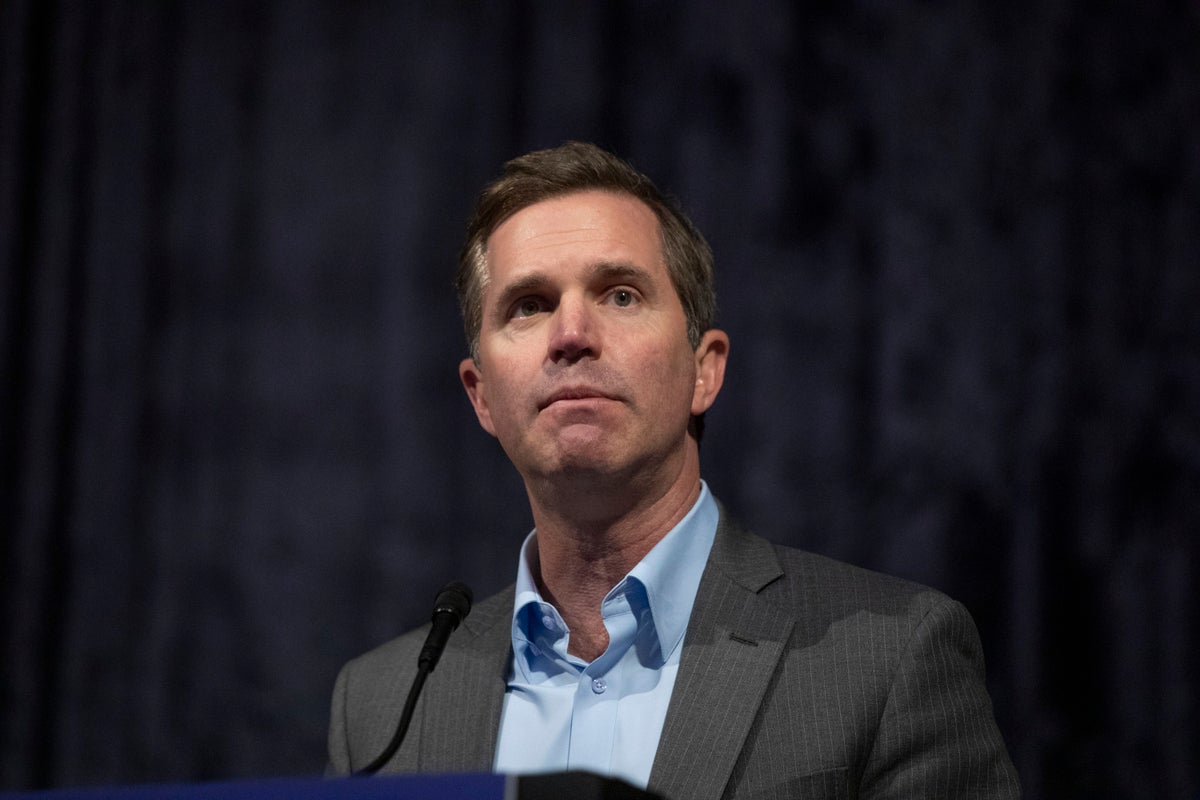
Kentucky governor Andy Beshear criticizes McConnell's lack of transparency about his health
Kentucky Governor Andy Beshear has spoken out about the lack of communication from Senator Mitch...

Learn how to check if your car has been searched by Flock cameras and understand the implications...

Netizen tidak senang dengan komentar-komentar yang diberikan

BTS mungkin kembali mengikuti Grammy setelah rekanan mereka, Recording Academy, mengumumkan revisi...
BTS mungkin tidak akan mengubah keputusan untuk mengabaikan Grammy karena deadline pengiriman musik...
Update terbaru tentang keputusan BTS untuk tidak mengirimkan musik mereka untuk dijadikan nominee...
Pihak Recording Academy mengumumkan akan kembali meninju keputusan untuk memperkenalkan kategori...

Sangyeop Sangyeop mengumumkan rencananya untuk menikah dengan seorang non-celebrity, mengejutkan...