




Delta Air Lines Is Plotting A Major Return To The Asia Pacific Region, Including A Return To Singapore
Delta Air Lines Is Plotting A Major Return To The Asia Pacific Region, Including A Return To...
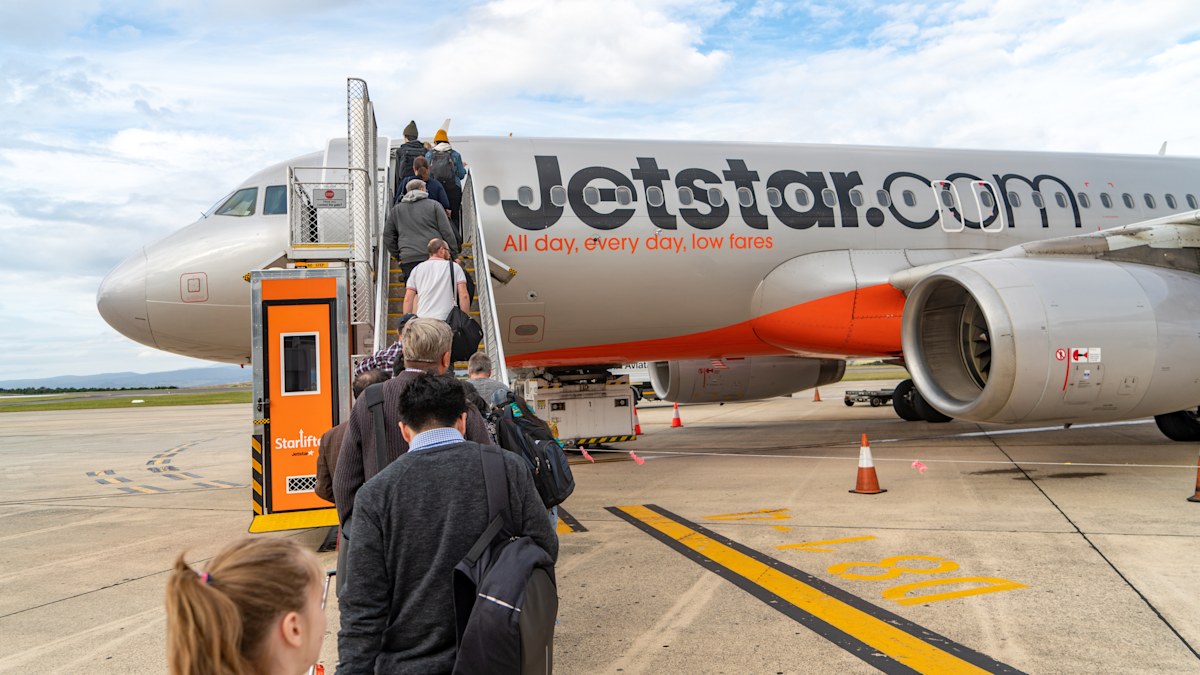
Updated August 5, 2026 - 1.24am. First published August 4, 2026 - 8.43pm. In a move that is set to change the way travelers pack for their flights, Jetstar has announced a new charge for overhead baggage storage. This decision has sparked a mixture of reactions from the public, with some expressing frustration over the additional cost, while others see it as a necessary step towards streamlining the boarding process. According to aviation expert Salim Hijazeen, the introduction of this fee is consistent with the low-cost carrier model, where passengers pay for the services they use. This approach allows Jetstar to maintain lower fares, as passengers are not subsidizing services they do not need. By understanding the rationale behind this move, it becomes clearer that this is not merely an attempt to increase revenue but a strategic adjustment to enhance operational efficiency.
The new policy replaces the previous 7kg carry-on weight limit, with Jetstar opting not to weigh carry-on luggage at check-in anymore. Starting from February 2, 2027, all Jetstar bookings will include storage for one under-seat bag, provided it meets the specified dimensions of 40cm x 30cm x 20cm. For those who require additional luggage space, the option to pre-purchase Priority Carry-on spots will be available, granting access to overhead locker storage for a second, larger bag, and priority boarding. The cost for this service will vary depending on the flight route, ranging from $25 for some domestic flights to $52 for international flights, such as from Cairns to Tokyo. This tiered pricing system reflects the airline's effort to cater to different traveler needs and budgets, ensuring that those who require more services pay accordingly. The flexibility of this system could potentially lead to higher customer satisfaction, as travelers can choose the level of service that suits their preferences and wallets.
The introduction of this fee-for-service model is not unique to Jetstar, as several overseas low-cost carriers have already implemented similar policies. However, the reaction from the Australian public may differ due to the country's duopoly market structure, which can result in higher airfares compared to other regions. Graham 'Skroo' Turner, managing director of Flight Centre Australia, noted that while the concept is not new, its application in the Australian market might face scrutiny due to the existing higher base fares. Additionally, there are concerns about how Jetstar will enforce the payment for overhead baggage and the potential for delays at the gate. Despite these challenges, the airline believes that the benefits, including reduced turnaround times and improved operational performance, outweigh the drawbacks. By giving customers more control over their travel experience and simplifying the boarding process, Jetstar aims to enhance its overall service quality.
Experts like Hijazeen suggest that this change should be viewed as part of the broader strategy to align with the low-cost/value-based carrier model. This model has been successful for many airlines, as it allows for lower base fares and gives passengers the freedom to customize their travel experience by paying for additional services they need. The key to the success of this model lies in its ability to provide transparent pricing and efficient services, ensuring that passengers feel they are getting value for their money. As the aviation industry continues to evolve, the adoption of such models could become more widespread, leading to a more personalized and efficient travel experience. However, it is crucial for airlines to strike a balance between service customization and affordability, to avoid alienating price-sensitive customers.
The implications of Jetstar's decision extend beyond the airline itself, potentially influencing the wider aviation industry. As consumers become more accustomed to the fee-for-service structure, other airlines may consider adopting similar policies to remain competitive. This could lead to a more streamlined and efficient industry, where resources are allocated based on demand, and passengers have greater control over their travel expenses. Furthermore, the focus on operational efficiency could result in reduced delays and improved punctuality, enhancing the overall travel experience. However, there is also a risk that the increased complexity of pricing structures could confuse passengers and lead to dissatisfaction if not managed properly. Therefore, clear communication and transparency about the services included in the base fare and the additional options available will be essential in mitigating these risks.
In conclusion, Jetstar's overhaul of its baggage charge policy reflects a strategic shift towards aligning with the low-cost carrier model, emphasizing efficiency and customer choice. While the introduction of the overhead baggage fee may face initial resistance, it has the potential to streamline the boarding process and improve operational performance. As the airline industry continues to adapt to changing consumer preferences and economic pressures, innovative approaches to service delivery and pricing will be crucial. By focusing on transparency, efficiency, and customer satisfaction, airlines like Jetstar can navigate these challenges and emerge stronger. The future of air travel will likely involve more personalized and efficient services, with passengers having greater control over their travel experience. As such, understanding and adapting to these changes will be vital for both airlines and travelers alike.
Looking ahead, the success of Jetstar's new policy will depend on how well it is received by customers and how effectively the airline can implement and manage the changes. Feedback from both passengers and staff has been a driving force behind this decision, highlighting the importance of continuous improvement and customer-centric strategies in the airline industry. By prioritizing the needs and preferences of its customers, Jetstar aims to not only comply with the evolving landscape of air travel but to thrive within it. The coming months will provide valuable insights into how this new policy affects Jetstar's operations and customer satisfaction, serving as a case study for other airlines considering similar changes. Ultimately, the goal is to create a more sustainable, efficient, and satisfying travel experience, which aligns with the broader objectives of the aviation industry.
The reaction from the public and the industry will be a critical factor in determining the long-term impact of Jetstar's decision. As passengers become more accustomed to the new fees and understand the rationale behind them, acceptance and even appreciation for the streamlined services may grow. Nonetheless, it is also possible that the increased costs could deter some travelers, especially those who are highly price-sensitive. To mitigate this risk, Jetstar must ensure that the benefits of the new policy, such as faster boarding times and more efficient flights, are clearly communicated and tangible to its customers. By doing so, the airline can build trust and demonstrate its commitment to enhancing the travel experience, which will be essential in navigating the competitive landscape of the aviation industry.
The enforcement of the new baggage policy will also be a challenge that Jetstar needs to address proactively. Ensuring that passengers comply with the new rules, particularly regarding the payment for overhead baggage, will require effective communication and possibly new procedures at check-in and boarding gates. The use of sizing units at airports and boarding gates to verify the dimensions of under-seat and overhead bags will help in educating passengers and facilitating compliance. Moreover, the provision of clear guidelines and the availability of options for passengers to adjust their luggage arrangements before boarding will be crucial in minimizing disruptions and ensuring a smooth transition to the new system.
In the context of the Australian airline market, Jetstar's move could signal a significant shift towards more personalized and efficient travel experiences. As consumers become more accustomed to paying for specific services, the traditional model of all-inclusive fares may evolve, offering more flexibility and choice. This could lead to a more competitive market, where airlines differentiate themselves not just on price but on the quality and customization of their services. For Jetstar, the key will be to strike the right balance between offering affordable base fares and providing valuable additional services that enhance the travel experience, without confusing or alienating its customer base. By achieving this balance, Jetstar can position itself as a leader in the Australian aviation market, known for its innovative approach to customer service and operational efficiency.
Finally, the introduction of Jetstar's new baggage policy serves as a reminder of the dynamic nature of the airline industry, where adaptation to changing consumer behaviors, economic conditions, and technological advancements is essential for success. As airlines around the world look to innovate and improve their services, the lessons learned from Jetstar's experience will be invaluable. Whether the focus is on operational efficiency, customer satisfaction, or competitive strategy, the underlying principle remains the same: to provide value to passengers while ensuring the sustainability of the airline's operations. In this context, Jetstar's decision to overhaul its baggage charges is not just a tactical move but a strategic step towards a more efficient, customer-centric, and sustainable future for air travel.
A closer look at the reasoning behind Jetstar's decision to introduce new baggage fees, what it means for travelers, and the potential impact on the airline industry
Delta Air Lines Is Plotting A Major Return To The Asia Pacific Region, Including A Return To...
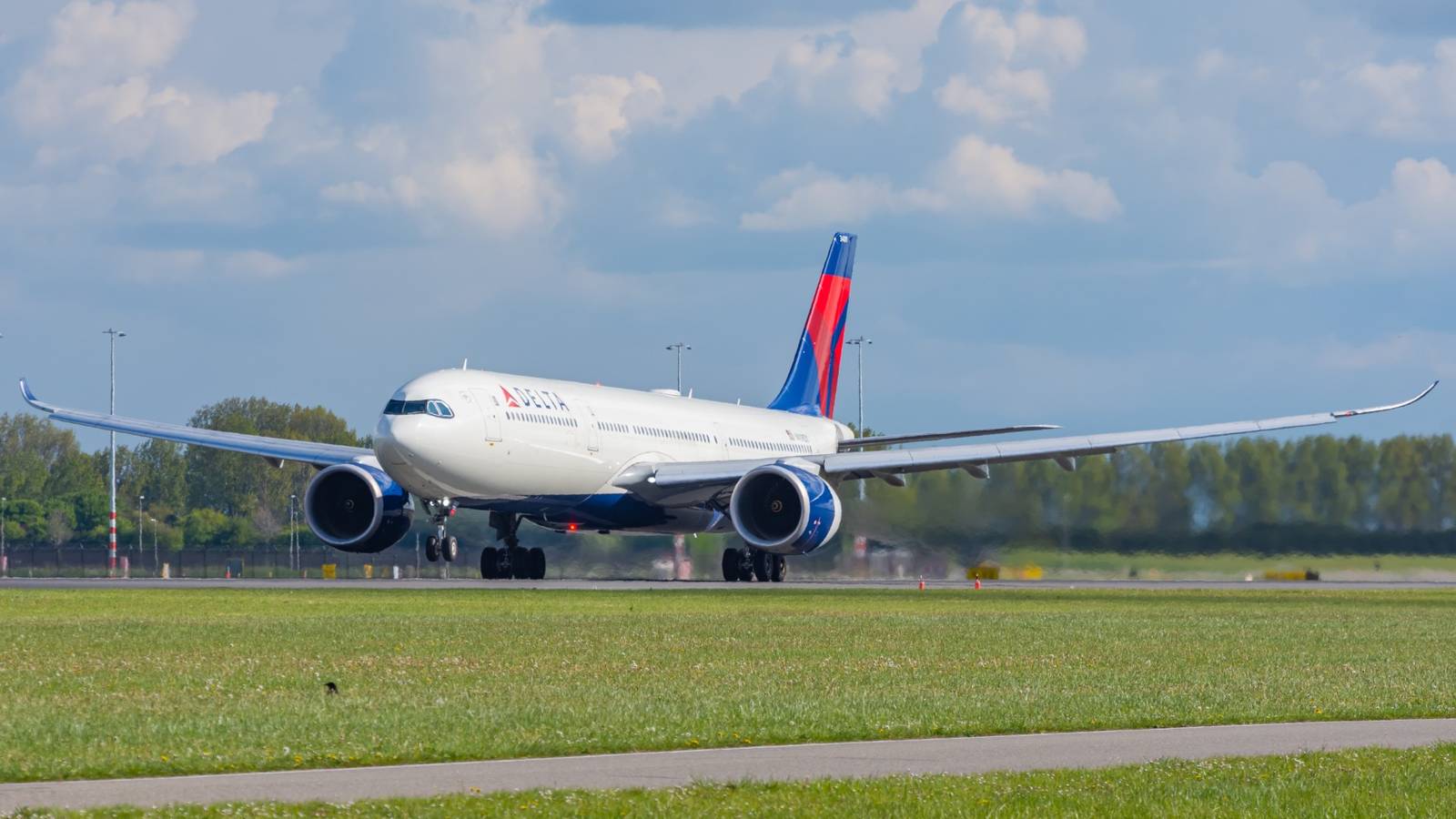
Flight DL81 from Paris to Seattle diverts twice and arrives 10 hours late, with passengers missing...

A recent incident involving a Ryanair flight in Greece has brought attention to the issue of bird...
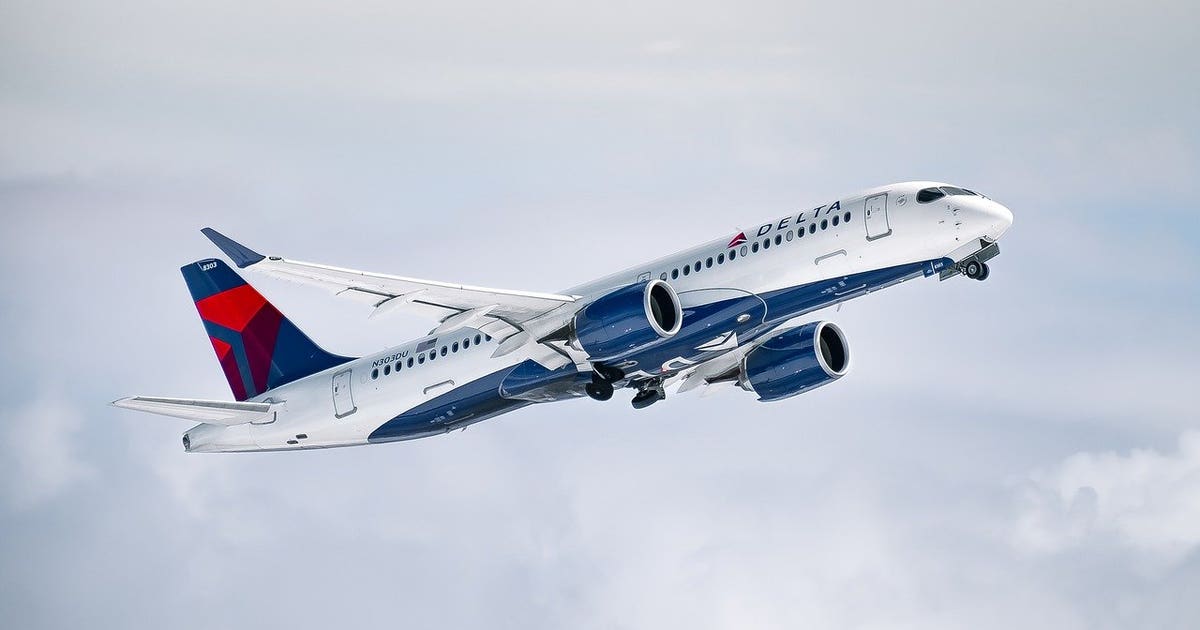
A Delta flight bound for Fort Lauderdale was forced to return to Atlanta due to a smoke report in...
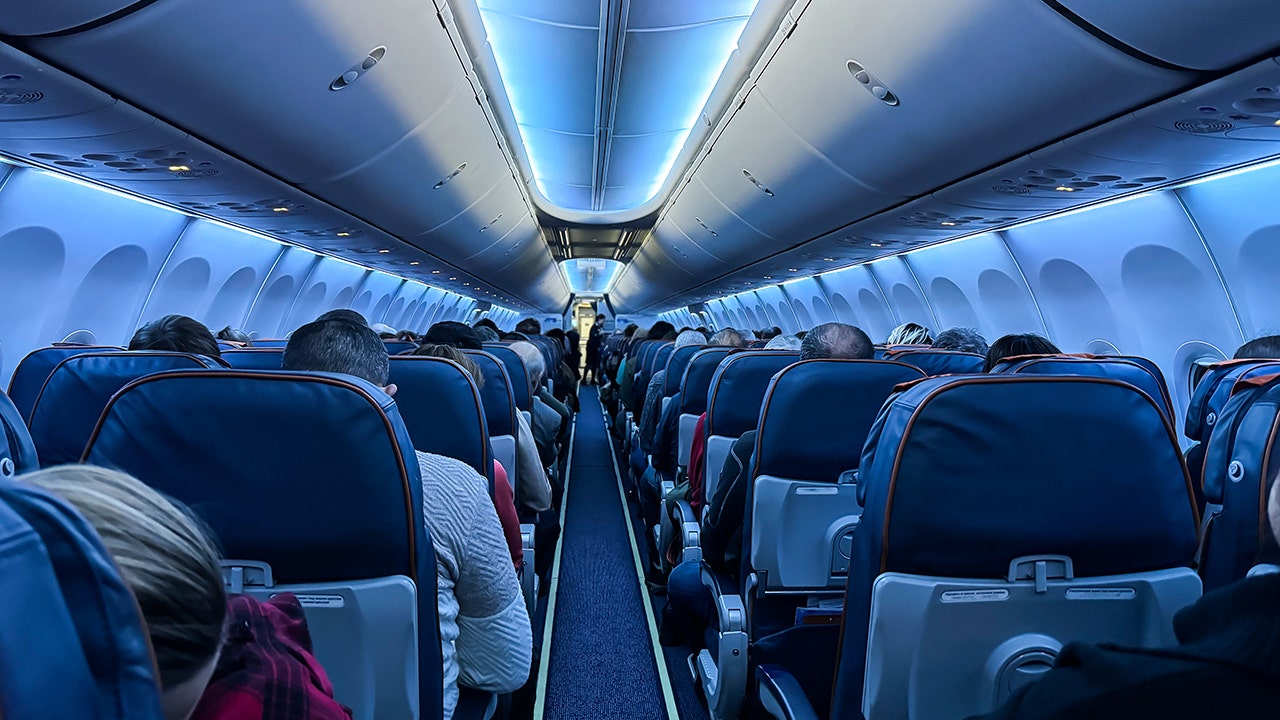
A mysterious Wi-Fi network appeared on a Delta flight after a hacker convention, raising concerns...
Chick-fil-A has unveiled its latest fall menu, featuring a range of innovative and unexpected...

Netizen tidak senang dengan komentar-komentar yang diberikan

BTS mungkin kembali mengikuti Grammy setelah rekanan mereka, Recording Academy, mengumumkan revisi...
BTS mungkin tidak akan mengubah keputusan untuk mengabaikan Grammy karena deadline pengiriman musik...
Update terbaru tentang keputusan BTS untuk tidak mengirimkan musik mereka untuk dijadikan nominee...
Pihak Recording Academy mengumumkan akan kembali meninju keputusan untuk memperkenalkan kategori...

Sangyeop Sangyeop mengumumkan rencananya untuk menikah dengan seorang non-celebrity, mengejutkan...