





Bankruptcy Hits Rebel Creamery, a Low-Carb Ice Cream Brand Sold at Walmart and Target
Rebel Creamery, a popular low-carb ice cream brand sold at major retailers like Walmart and Target,...
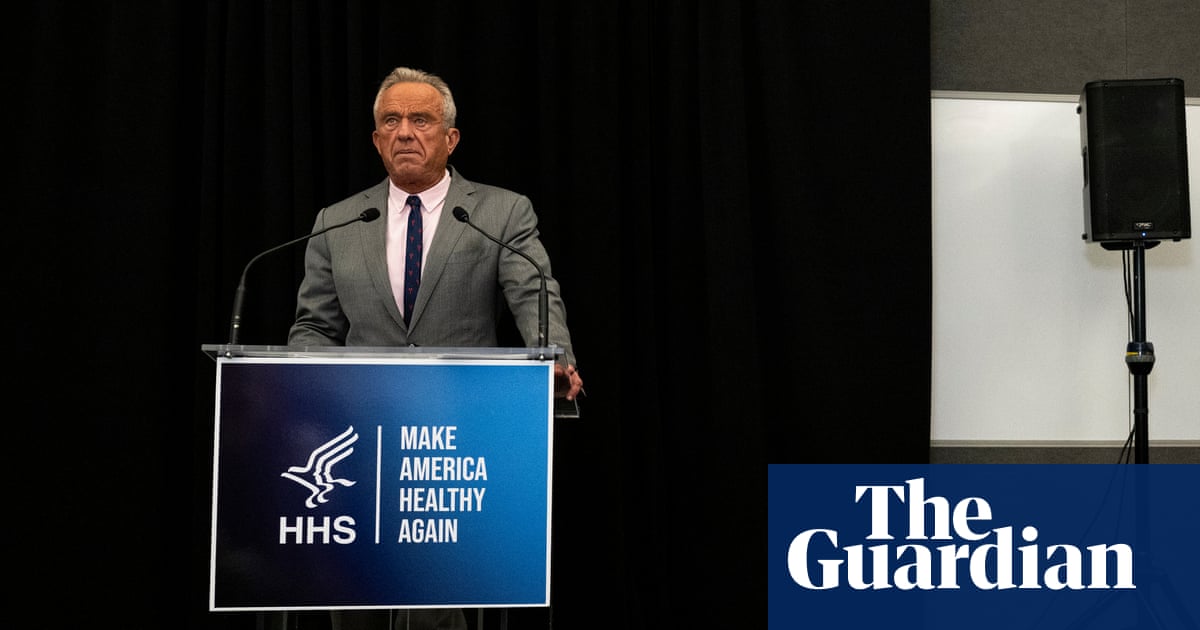
The US Food and Drug Administration (FDA) has proposed a new rule that would require food manufacturers to notify the agency of ingredients brought to market, but in a major blow to public health advocates, the agency has sidestepped defining the term 'ultra-processed' foods, despite earlier promises to do so. The proposed rule, submitted to the Federal Register on Monday, aims to close a loophole in the way new substances enter the US food supply, but critics argue that it falls short of the agency's obligations to protect public health.
The FDA's decision not to define 'ultra-processed' foods has sparked widespread criticism, with some calling it a 'gutted' rule that fails to address the root causes of a growing public health epidemic. The term 'ultra-processed' has been used to describe foods that undergo significant industrial processing, such as sugary drinks and processed meats, but the FDA has yet to provide a clear definition or criteria for what constitutes an ultra-processed food. Critics argue that this lack of clarity will make it difficult for consumers to make informed choices about the foods they eat.
The proposed rule would require food manufacturers to submit to the FDA all ingredients in foods that are brought to the market under the Generally Recognized As Safe (GRAS) pathway, closing a loophole that allowed food companies to use ingredients that were proven safe either through scientific research or because they were already commonly used. This change is seen as a positive step towards greater transparency in the food industry, but it is widely acknowledged that the FDA's failure to define 'ultra-processed' foods undermines the effectiveness of the regulation.
The FDA has faced criticism for its handling of food safety in recent years, including the ongoing cyclosporiasis outbreak, which has seen over 10,000 confirmed cases. The recall of Taylor Farms products sold in 26 states due to a salmonella outbreak in eggs and jalapeños has also raised concerns about the agency's ability to effectively regulate the food industry. The proposed rule has been welcomed by some as a positive step towards greater transparency, but others have called for more decisive action to protect public health.
The exact implications of the FDA's proposed rule are difficult to predict at this stage, but experts agree that it will have a significant impact on the food industry. Companies will need to adapt to the new notification requirements, and consumers will need to be informed about the ingredients used in the foods they eat. However, without a clear definition of 'ultra-processed' foods, it is difficult to know what the regulation will achieve in terms of public health benefits.
The proposed rule has sparked a lively debate about the role of the FDA in regulating the food industry, with some arguing that the agency has a responsibility to protect public health and others arguing that it should focus on creating a more business-friendly environment. The FDA's decision not to define 'ultra-processed' foods has reignited this debate, with some calling for greater transparency and others pushing for more drastic measures to address the growing public health crisis.
The proposed rule has significant implications for the future of food regulation in the US, and it is likely to be the subject of intense lobbying and debate in the coming months. As the FDA moves forward with the proposed rule, it will be important to ensure that it is implemented in a way that protects public health and provides clarity for consumers, businesses and policymakers. Whether the proposed rule will live up to its promises remains to be seen.
The FDA proposes a new rule requiring food manufacturers to notify the agency of ingredients brought to market, but avoids defining 'ultra-processed' foods, sparking criticism and concerns about the effectiveness of the regulation.
Rebel Creamery, a popular low-carb ice cream brand sold at major retailers like Walmart and Target,...

Marseille's Owner Injects €50.2 Million into the Football Club: A Strategic Move to Secure the...

Rebel Creamery LLC, a major ice cream brand, has filed for Chapter 11 bankruptcy following a...
Major ice cream brand seeks Chapter 11 bankruptcy after lawsuit

Ice cream brand sold in Houston faces financial repercussions after losing a high-profile lawsuit...
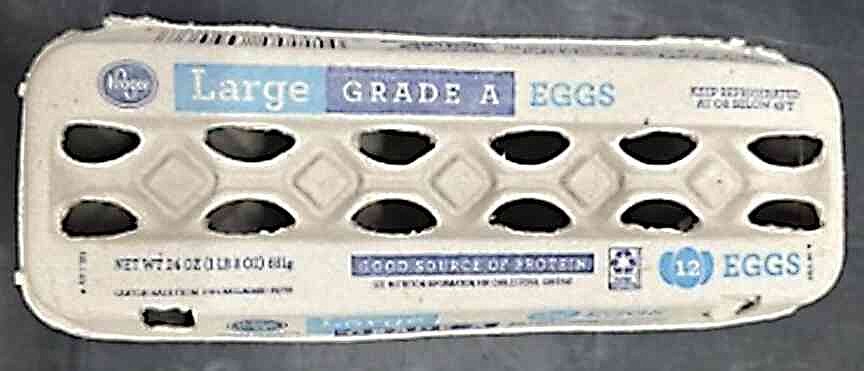
A Serious Warning from the FDA: Texas-Sold Eggs May Contain Salmonella

Netizen tidak senang dengan komentar-komentar yang diberikan

BTS mungkin kembali mengikuti Grammy setelah rekanan mereka, Recording Academy, mengumumkan revisi...
BTS mungkin tidak akan mengubah keputusan untuk mengabaikan Grammy karena deadline pengiriman musik...
Update terbaru tentang keputusan BTS untuk tidak mengirimkan musik mereka untuk dijadikan nominee...
Pihak Recording Academy mengumumkan akan kembali meninju keputusan untuk memperkenalkan kategori...

Sangyeop Sangyeop mengumumkan rencananya untuk menikah dengan seorang non-celebrity, mengejutkan...