


Hawaiian Electric Provides Statewide Power Restoration Update
Hawaiian Electric has issued a comprehensive update on the status of power restoration across the...
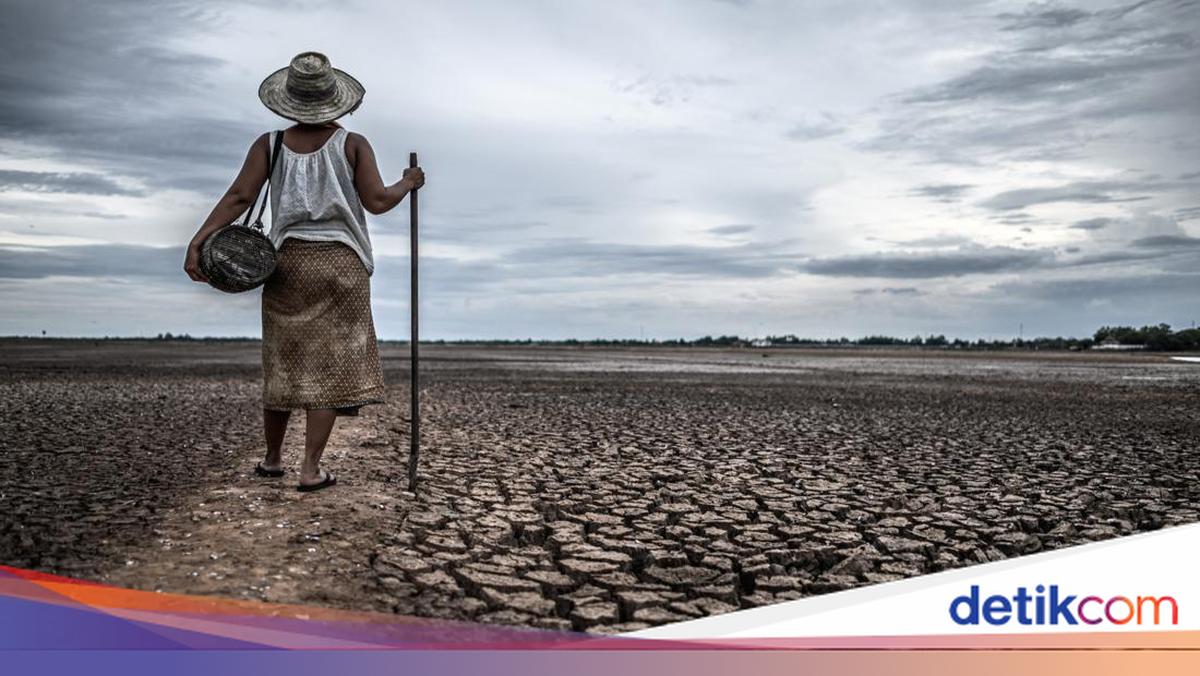
BMKG has begun increasing vigilance in anticipation of the potential El Nino 2026, which is expected to be active starting mid-year. This climate phenomenon is predicted to make the dry season come earlier, last longer, and increase the risk of drought and forest fires in several regions of Indonesia.
To anticipate its impact, BMKG, along with several ministries, has begun preparing cloud seeding operations, strengthening meteorological sensors, and monitoring areas prone to forest and land fires.
El Nino is a natural climate phenomenon that occurs due to the rise in sea surface temperatures in the central and eastern Pacific Ocean. This phenomenon is known as the El Nino Southern Oscillation (ENSO), which also affects global atmospheric patterns, including rainfall in Indonesia.
According to the World Health Organization, each El Nino event can have different impacts depending on its intensity, duration, and interaction with other climate conditions. In Southeast Asia, including Indonesia, El Nino usually causes decreased rainfall, making the dry season feel longer and drier.
This condition can trigger various subsequent impacts, ranging from clean water crises, crop failures, reduced air quality, to increased risk of forest and land fires.
BMKG states that the global climate condition at the beginning of 2026 is still in the neutral ENSO phase. However, the results of BMKG's analysis at the end of March 2026 indicate a tendency to transition to the El Nino phase with low to moderate intensity in the second semester of 2026.
BMKG's Chief Secretary, Guswanto, stated that the likelihood of El Nino is between 50 to 80 percent. This condition is expected to affect the pattern of the dry season in Indonesia.
The prediction makes the government start strengthening anticipatory measures before the peak of the dry season.
One of the most anticipated impacts during El Nino is the increased risk of forest and land fires, especially in peatland areas that easily dry out during long dry seasons.
Therefore, BMKG has begun strengthening coordination with various sectors, including the police, Ministry of Environment and Forestry, local governments, and volunteers in the field.
BMKG also stated that cloud seeding operations can only be performed if there are still clouds that can be seeded.
BMKG will install ground-based generators or cloud seeding tools in several high-rise buildings in the capital city. This technology is prepared to trigger rain when Jakarta experiences a long period without rain that can worsen air pollution.
Aside from cloud seeding operations, BMKG, along with the Ministry of Environment and Forestry, is also strengthening supervision of peatland conditions that are prone to fires during the dry season.
BMKG is now focusing on monitoring several regions that are considered prone to forest and land fires during the long dry season.
Six provinces have become priorities for supervision, including areas with high vulnerability, especially due to the many peatland areas that easily catch fire when rainfall decreases drastically.
BMKG previously predicted that the 2026 dry season would start gradually from April to June. Meanwhile, most regions of Indonesia are predicted to experience the peak of the dry season in August to September 2026.
El Nino itself is expected to be active starting in June 2026 with moderate to strong intensity. This condition has the potential to make the 2026 dry season longer and drier compared to the average climate over the past 30 years.
Therefore, the government has started strengthening various anticipatory measures before the dry season reaches its peak.
If El Nino develops as predicted, the community may face several impacts during the 2026 dry season, ranging from decreased availability of clean water, hotter air temperatures, to increased risk of health problems due to forest fire smoke.
In the agricultural sector, the long dry season can also affect harvest yields and food availability. In urban areas, the lack of rain can worsen air quality, especially in densely populated areas like Jakarta.
Therefore, the community is advised to start conserving water usage, avoiding land burning activities, and regularly monitoring official weather information from BMKG during the dry season.
BMKG increases alertness in anticipation of the potential El Nino 2026, which is expected to be active starting mid-year, making the dry season come earlier, last longer, and increase the risk of drought and forest fires.
Hawaiian Electric has issued a comprehensive update on the status of power restoration across the...
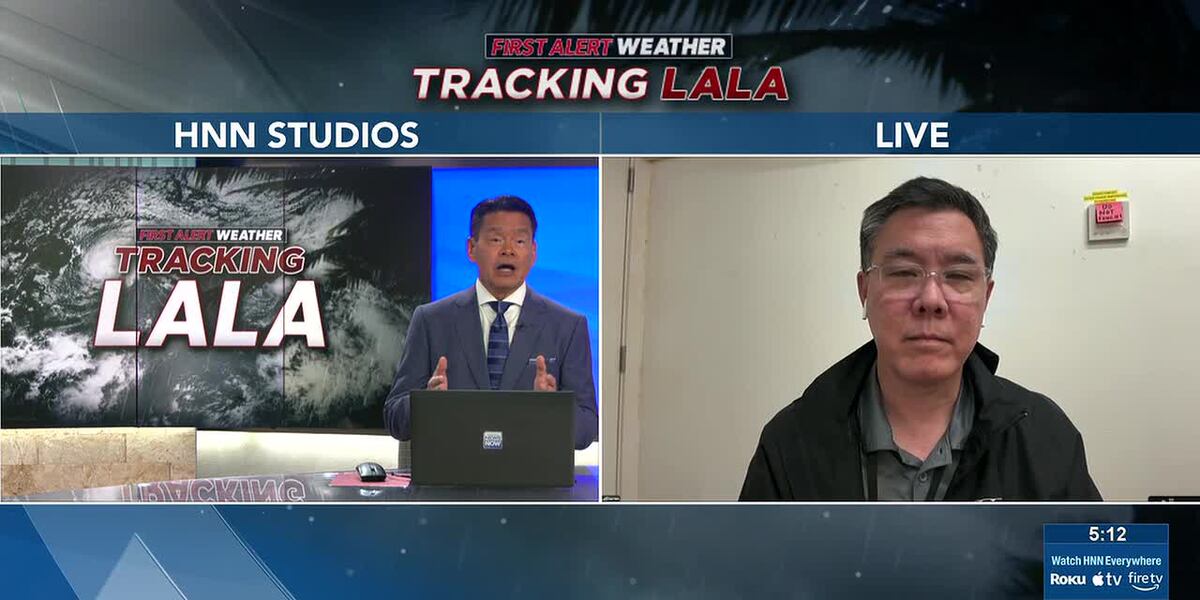
Darren Pai from Hawaiian Electric shares a critical 5 p.m. update on the ongoing power outage...
Jadwal Lengkap Upacara HUT RI ke-81 di Istana Negara: Mengenal Kepribadian Bangsa yang Solid dan...
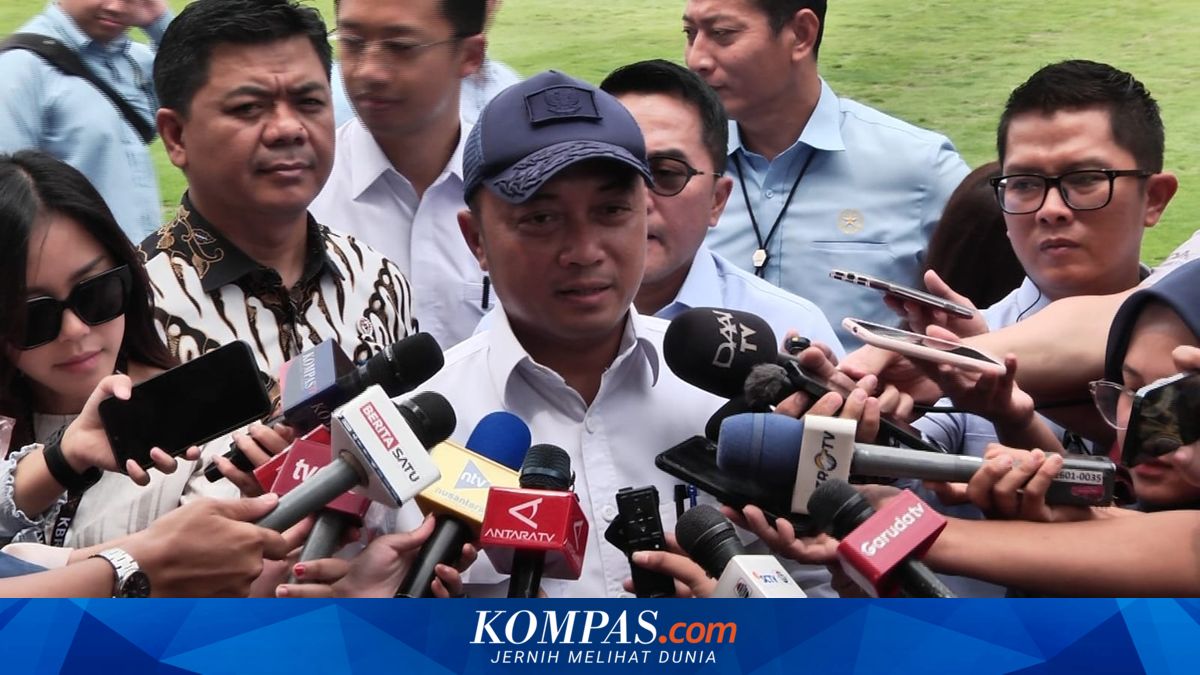
Pemerintah mengeluarkan kebijakan untuk memberikan fleksibilitas kerja pada perusahaan pada 18...

Hawaiian Electric Company is pushing towards a major 'green power' milestone, targeting nearly...

Baca siaran ulang preview episode minggu depan 'Amazing Saturday' yang menampilkan ALPHA DRIVE ONE,...

Netizen tidak senang dengan komentar-komentar yang diberikan

BTS mungkin kembali mengikuti Grammy setelah rekanan mereka, Recording Academy, mengumumkan revisi...
BTS mungkin tidak akan mengubah keputusan untuk mengabaikan Grammy karena deadline pengiriman musik...
Update terbaru tentang keputusan BTS untuk tidak mengirimkan musik mereka untuk dijadikan nominee...
Pihak Recording Academy mengumumkan akan kembali meninju keputusan untuk memperkenalkan kategori...

Sangyeop Sangyeop mengumumkan rencananya untuk menikah dengan seorang non-celebrity, mengejutkan...