

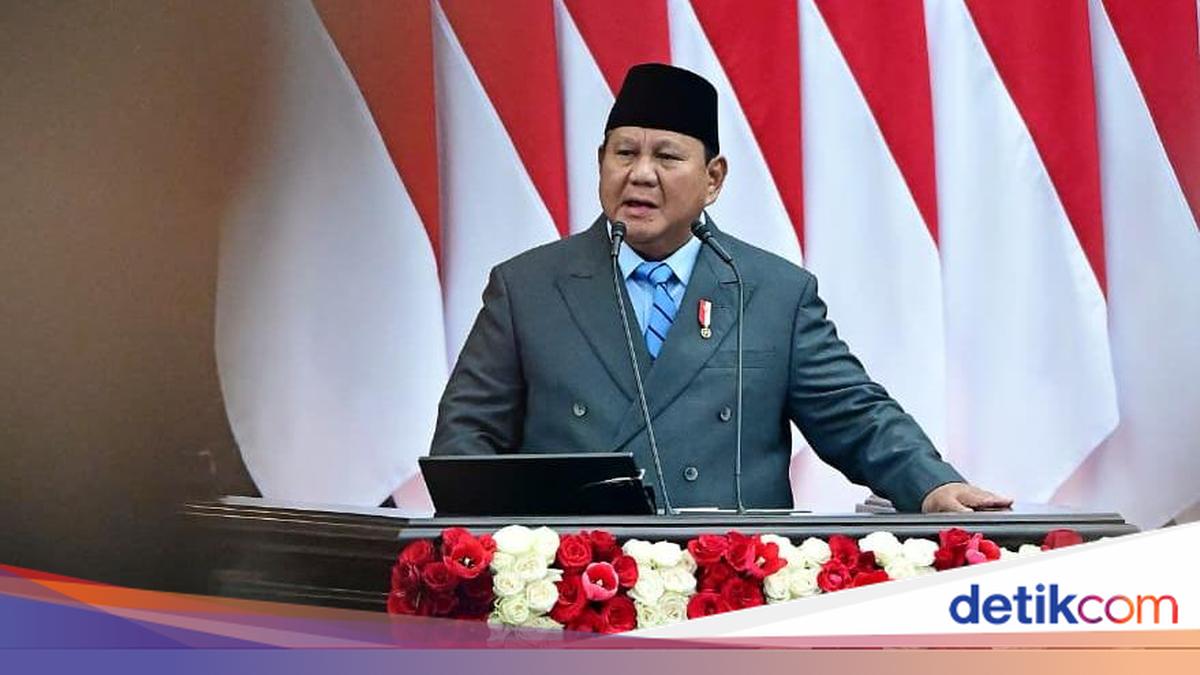



US-South Korea Military Drills Scaled Back After Trump's Inauguration
The 2017 US-South Korea military drills were scaled back following a meeting between US President...

The Strait of Hormuz, a vital waterway connecting the Persian Gulf to the Arabian Sea, has been at the center of geopolitical tensions in recent years. The strait, which is approximately 90 miles long and 20 miles wide, is a crucial passage for international oil shipments, with nearly 20% of the world's oil supply passing through it. Iran's decision to shut down the strait is a strategic response to Israel's actions in Lebanon, which have been perceived as a direct challenge to Iran's regional influence.
The background to this crisis lies in the complex web of alliances and rivalries in the Middle East. Iran, a predominantly Shia Muslim nation, has been engaged in a proxy war with Israel, a predominantly Jewish state, for decades. The two nations have been on opposite sides of various conflicts in the region, including the Lebanese Civil War and the Syrian Civil War. The recent strikes by Israel in Lebanon, which targeted Iranian-backed militant groups, have been seen as a significant escalation of tensions between the two nations.
Iran's closure of the Strait of Hormuz is a major development in this crisis, with significant implications for global energy markets and international relations. The strait is a critical passage for oil tankers, and any disruption to shipping lanes could have a major impact on oil prices and global economic stability. The move has been condemned by the United States and other Western nations, which have accused Iran of engaging in reckless and provocative behavior.
Despite the criticism, Iran has maintained that its actions are a legitimate response to Israel's aggression in the region. Iranian officials have stated that the closure of the strait is a necessary measure to protect the nation's interests and security. The move has been seen as a demonstration of Iran's military capabilities and its willingness to take bold action in response to perceived threats.
The implications of Iran's actions are far-reaching, with potential consequences for global energy markets, international relations, and regional security. The closure of the Strait of Hormuz could lead to a significant increase in oil prices, which could have a major impact on global economic stability. The move could also lead to a escalation of tensions between Iran and its rivals in the region, including Israel and Saudi Arabia.
In terms of the future outlook, it is difficult to predict how the crisis will unfold. However, it is clear that the situation is highly volatile and potentially explosive. The international community has called for calm and restraint, but it remains to be seen whether the parties involved will be able to find a peaceful resolution to the crisis. One thing is certain, however: the closure of the Strait of Hormuz is a significant development in the region, with major implications for global energy markets and international relations.
When analyzing the situation, it is essential to consider the motivations and actions of all parties involved. The question of who is responsible for the current crisis is complex, with multiple factors at play. What is clear, however, is that the situation is highly volatile and potentially explosive. The when and where of the crisis are also critical, with the timing and location of the strikes in Lebanon and the closure of the Strait of Hormuz having a significant impact on the unfolding events.
Why Iran chose to close the Strait of Hormuz is a critical question, with the answer lying in the complex web of alliances and rivalries in the region. The move is seen as a strategic response to Israel's actions in Lebanon, which have been perceived as a direct challenge to Iran's regional influence. How the crisis will unfold is uncertain, but it is clear that the situation is highly volatile and potentially explosive.
The recent shutdown of the Strait of Hormuz by Iran is a significant escalation of tensions in the Middle East, prompted by Israel's strikes in Lebanon
The 2017 US-South Korea military drills were scaled back following a meeting between US President...

The decision to reduce US joint military exercises in South Korea has significant implications for...
The United States is reportedly considering imposing new sanctions on a Brazilian judge, according...
A dramatic encounter at Busan Airport marked a pivotal moment in the waning support for Donald...
Israel's National Security Chief Advocates Mass Killing in Gaza: A Devastating Policy Proposal
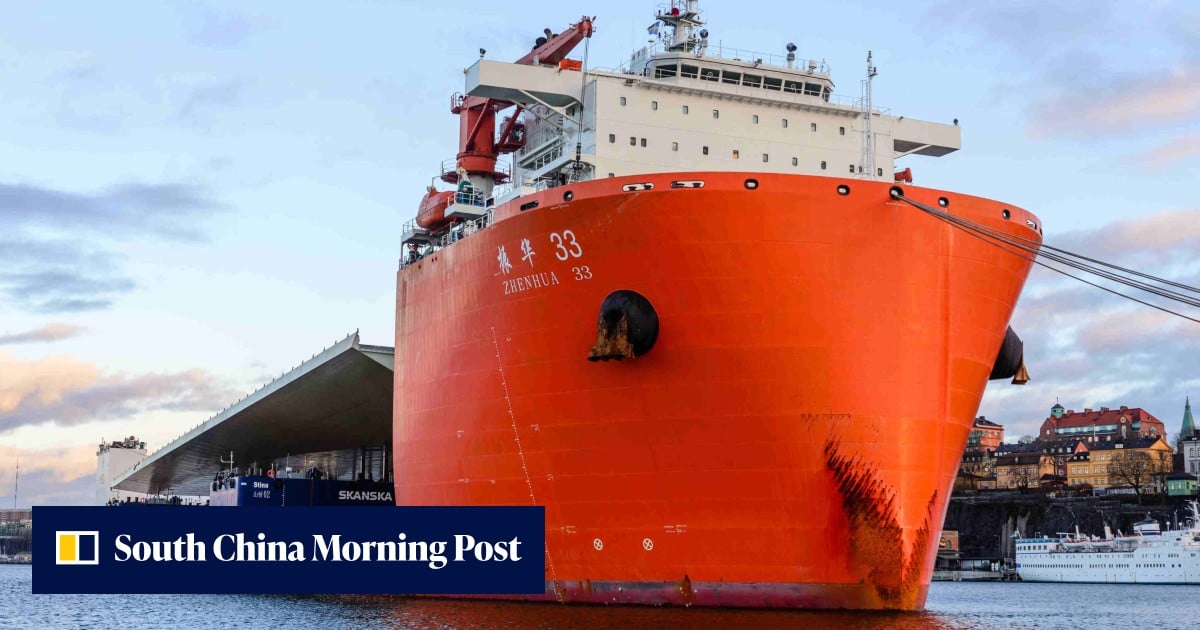
China is being urged to prepare its civilian ships for potential wartime use, a move that has...

Netizen tidak senang dengan komentar-komentar yang diberikan

BTS mungkin kembali mengikuti Grammy setelah rekanan mereka, Recording Academy, mengumumkan revisi...
BTS mungkin tidak akan mengubah keputusan untuk mengabaikan Grammy karena deadline pengiriman musik...
Update terbaru tentang keputusan BTS untuk tidak mengirimkan musik mereka untuk dijadikan nominee...
Pihak Recording Academy mengumumkan akan kembali meninju keputusan untuk memperkenalkan kategori...

Sangyeop Sangyeop mengumumkan rencananya untuk menikah dengan seorang non-celebrity, mengejutkan...