



The Independence of the US Department of Justice: Todd Blanche's Uncertain Pledge
The Importance of an Independent US Department of Justice: Understanding Todd Blanche's Remarks

The Supreme Court of the United States has made a historic ruling in rejecting former President Donald Trump's challenge to count late mail-in ballots in the 2020 presidential election. In a 6-3 decision, the court upheld the lower court's ruling that mail-in ballots received after the established deadline are indeed valid and should be counted. This pivotal verdict has sent shockwaves across the nation, sparking conversations about the future of elections in America.
At the heart of the controversy lies the question of mail-in ballot deadlines and their impact on the electoral process. Trump had argued that late-arriving ballots should be discarded as they might be vulnerable to tampering or other forms of interference. However, his opponents countered that these ballots were legally cast and should be counted as per the law. Supreme Court Justice Samuel Alito, writing on behalf of the dissenting judges, emphasized that the court's decision has profound implications for the reliability of elections across the country.
The ruling, which was met with jubilation from Trump's opponents and disappointment from his supporters, is being hailed as a major victory for American democracy. In a statement, the National Association of Secretaries of State praised the Supreme Court for 'protecting the integrity of the electoral process.' The group's president, Kelly Thompson, further emphasized that 'the preservation of the fundamental right to vote and the faith in the democratic process hang in the balance in the face of such pivotal decisions.'
While the decision marks an important milestone in the nation's electoral journey, its impact will continue to reverberate long after the controversy has faded. Election experts believe that it may embolden voters who were hesitant to send in their absentee ballots due to fears about their legitimacy. This, in turn, could lead to an increase in mail-in voting in future elections as more people become confident that their votes will be counted. Additionally, some speculate that the ruling may inspire reform efforts aimed at streamlining the voting process and reducing confusion regarding ballot deadlines.
For those who have been following the controversy closely, it's worth noting that the decision also underscores the pivotal role that the judiciary plays in upholding the democratic process. As Justice Elena Kagan argued in her opinion, the right to vote 'is a fundamental right,' and the court's decision reaffirms this principle. The ruling is a testament to the Supreme Court's commitment to upholding the Constitution and protecting the democratic institution of America.
As the nation continues to grapple with the implications of this crucial decision, one thing remains certain – that every eligible voter should feel confident in exercising their right to vote. This means ensuring that elections are accessible, secure, and free from undue influence. To further this goal, lawmakers and electoral agencies at various levels will need to collaborate to streamline the voting process, enhance voter education, and implement reforms that enhance election transparency. It's an opportunity to strengthen the foundations of American democracy, and one that the nation should not underestimate.
In the aftermath of this decision, America finds itself poised at a critical crossroads in the history of its democratic journey. With this pivotal verdict having set a landmark precedent for electoral legitimacy, the country is presented with the unique chance to re-examine and potentially reform its electoral system to ensure it remains inclusive, transparent, and responsive to the changing needs of its citizens.
Ultimately, the verdict represents a resounding affirmation of the democratic process that has underpinned America's storied history. In upholding the validity of late mail-in ballots, the Supreme Court has reaffirmed the nation's fundamental commitment to democratic ideals and the importance of safeguarding the right to vote. This precedent will undoubtedly have far-reaching implications for future elections and the ongoing evolution of American democracy.
Supreme Court rejects Trump's challenge to counting late mail-in ballots in a pivotal decision shaping the future of American democracy.



The Importance of an Independent US Department of Justice: Understanding Todd Blanche's Remarks
Donald Trump orders Pentagon to scale back joint military exercises with South Korea, citing his...
Representative Nancy Mace embarks on a new journey, unveiling her full sleeves of long-concealed...
The decision to cut back on military drills with South Korea has significant implications for...
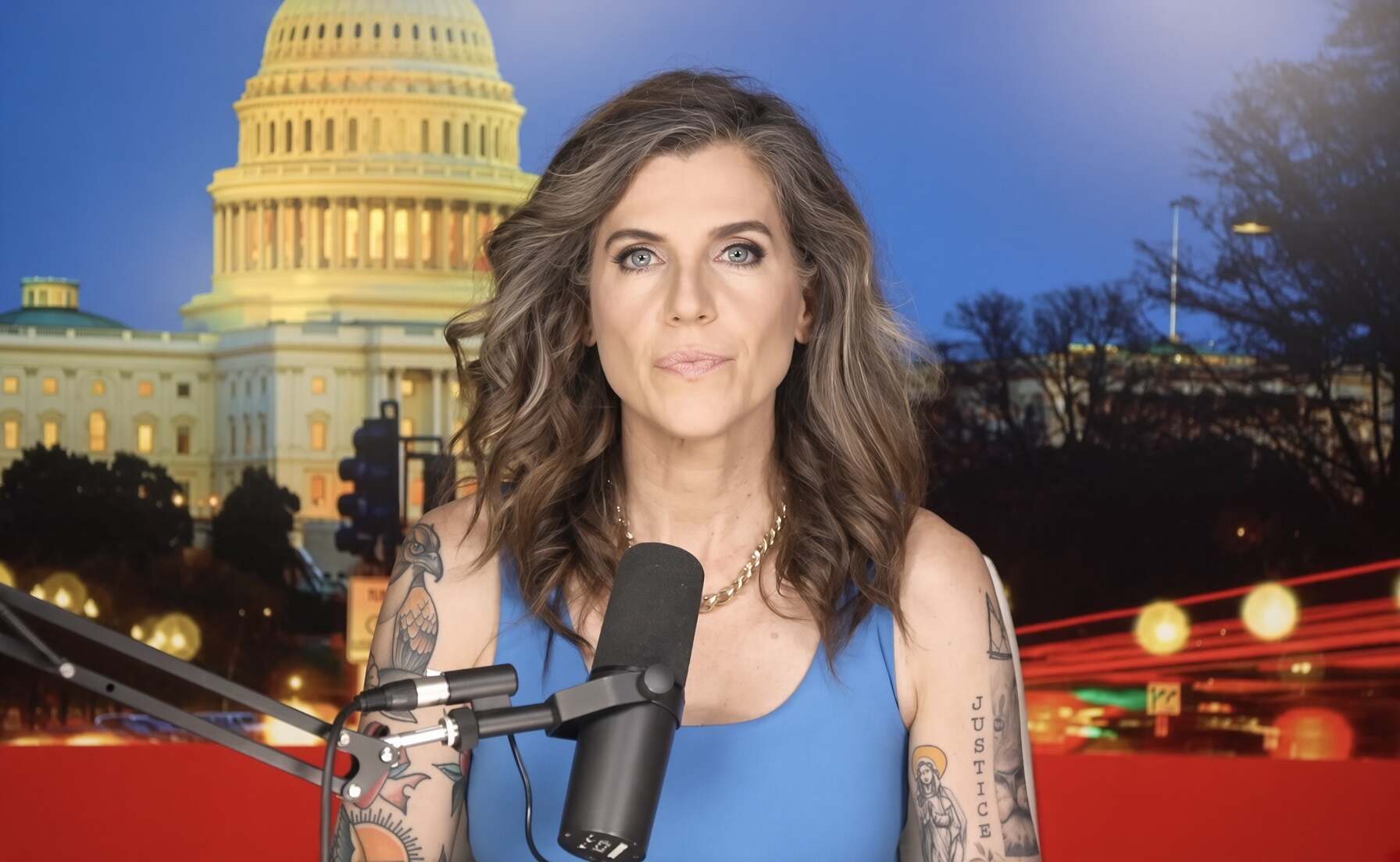
FITSNews reports on Nancy Mace's transition from outgoing congresswoman to online talk show host,...
Trump directs Hegseth to scale back joint military exercises with South Korea Politico

Netizen tidak senang dengan komentar-komentar yang diberikan

BTS mungkin kembali mengikuti Grammy setelah rekanan mereka, Recording Academy, mengumumkan revisi...
BTS mungkin tidak akan mengubah keputusan untuk mengabaikan Grammy karena deadline pengiriman musik...
Update terbaru tentang keputusan BTS untuk tidak mengirimkan musik mereka untuk dijadikan nominee...
Pihak Recording Academy mengumumkan akan kembali meninju keputusan untuk memperkenalkan kategori...

Sangyeop Sangyeop mengumumkan rencananya untuk menikah dengan seorang non-celebrity, mengejutkan...