

Hawaii's Big Island Braces for Rare Hurricane Landfall as Lala Strengthens
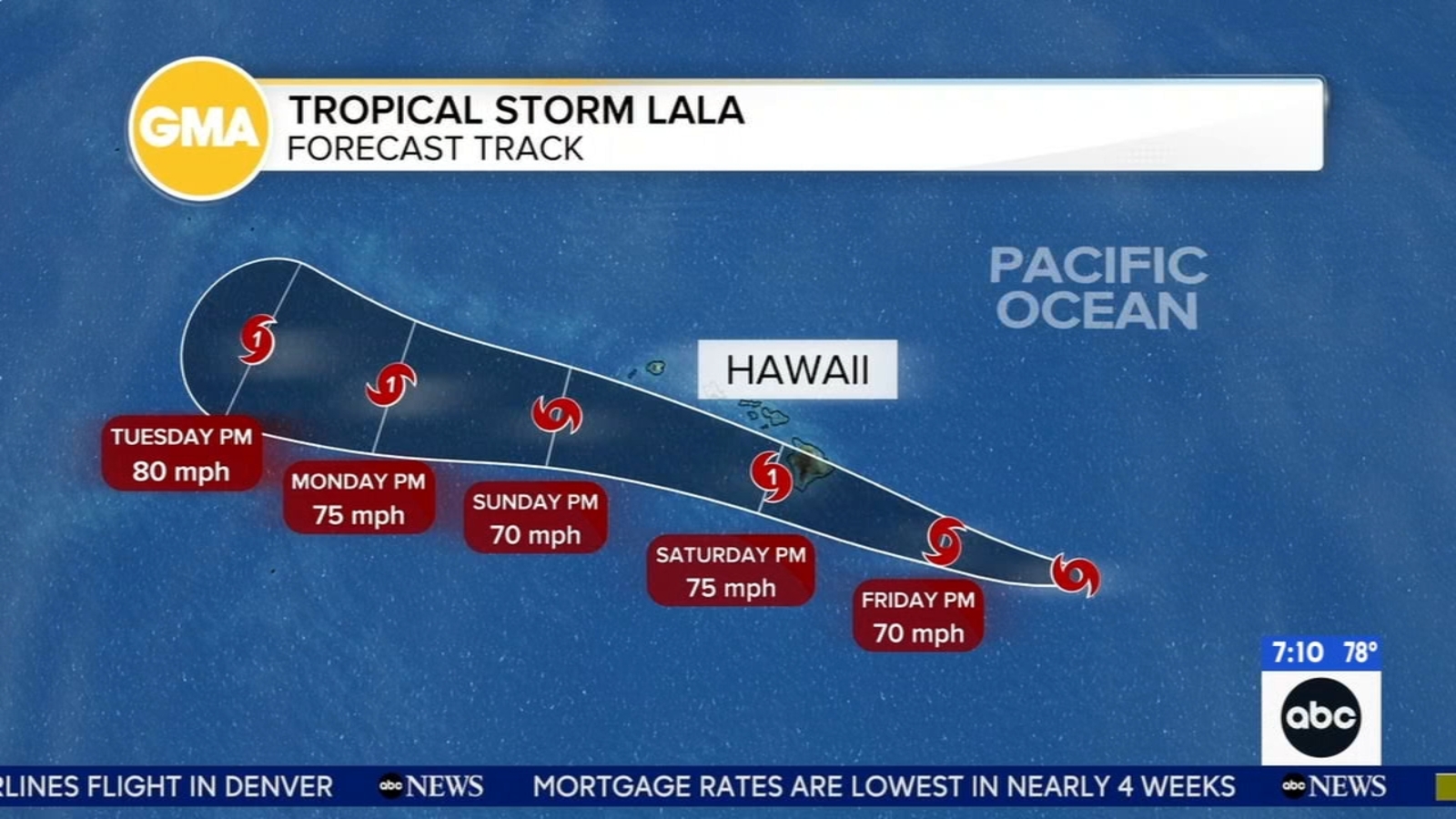
Hawaii's Big Island prepares for a rare hurricane landfall as Lala, now a Category 1 hurricane,...

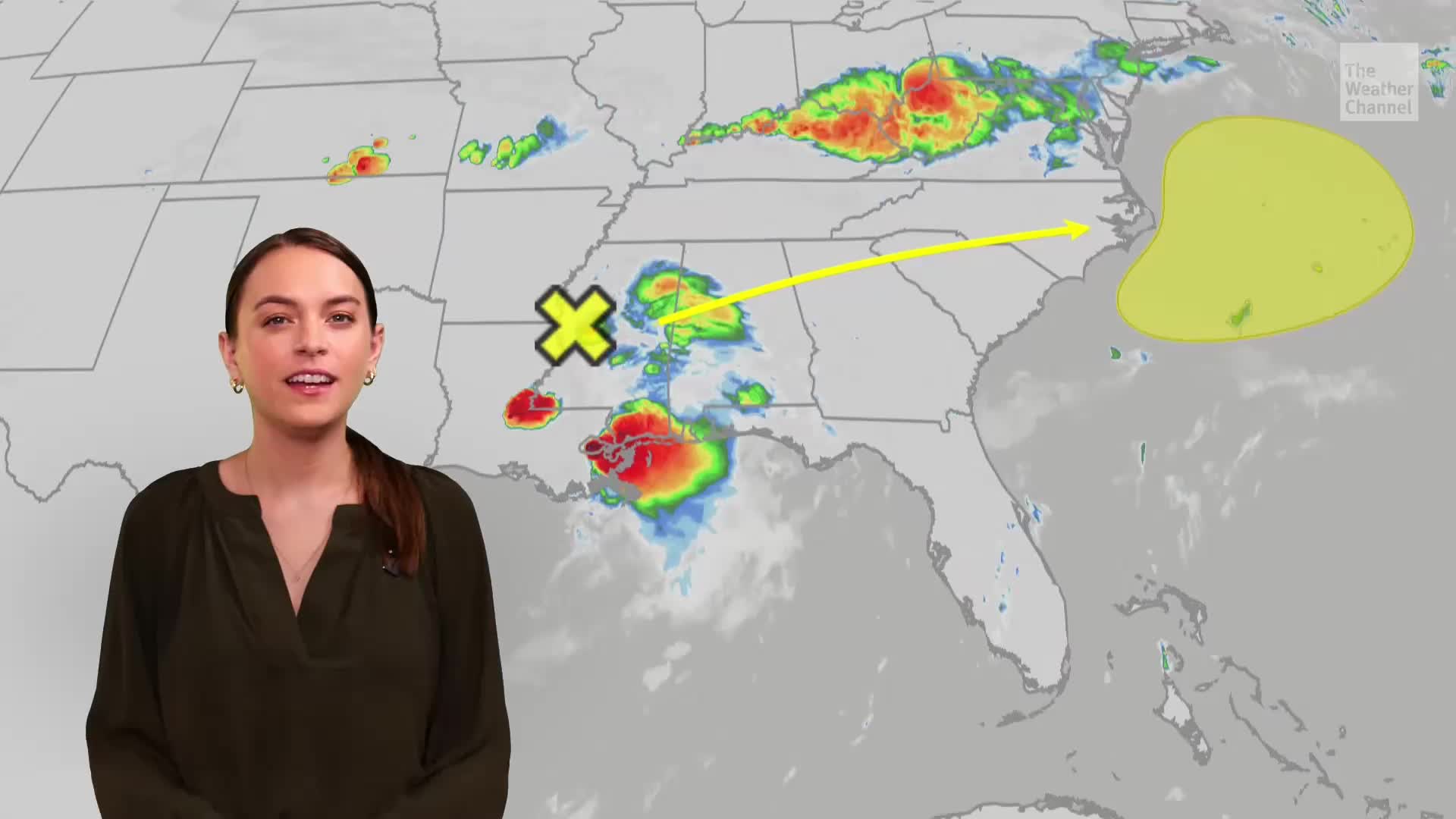
The National Hurricane Center (NHC) is currently monitoring two potential systems in the Atlantic Ocean, a situation that has garnered significant attention from weather enthusiasts and experts alike. According to the NHC's latest advisory, the first system is located approximately 1,200 miles west of the Cape Verde Islands, with sustained winds of around 70 miles per hour. The second system, situated near the western coast of Africa, has a slightly lower wind speed, measuring around 50 miles per hour.
These twin threats have raised concerns among meteorologists and the general public, with some speculating that they may intensify into full-fledged hurricanes. The Atlantic hurricane season officially runs from June 1 to November 30, a period marked by an increase in storm activity.
As we delve deeper into the summer months, the probability of these systems developing into something more substantial grows. This phenomenon is partly due to the natural temperature fluctuations of the ocean waters, which often reach their highest levels in early summer, providing ample fuel for tropical cyclones to strengthen.
From a historical perspective, June and July are often considered to be relatively quiet months for hurricane activity in the Atlantic. However, the years 2019 and 2020 presented anomalies, as both witnessed a higher-than-average number of named storms during this period. It is essential for residents of the southeastern United States, the Caribbean, and Central America to remain vigilant and stay informed about the latest developments, particularly given the devastating impact such storms can have on communities.
Experts point out that accurate forecasting has improved significantly over the years, allowing scientists to provide more precise warnings and predictions. Still, there remains an ever-present element of unpredictability in these events. Factors like atmospheric and oceanic conditions, wind shear patterns, and the availability of satellite imaging can all affect the trajectory and intensity of a potential hurricane.
The NHC closely monitors the Atlantic throughout the year, with a dedicated team of meteorologists and researchers working around the clock to track and predict storm systems. Their unwavering vigilance ultimately contributes to saving countless lives and minimizing the economic toll brought about by these powerful storms.
As we head into the peak months of the Atlantic hurricane season, residents of coastal areas are encouraged to create emergency plans, stock up on essential supplies, and stay apprised of the latest updates from the NHC. Given the inherent uncertainty surrounding the trajectory and strength of these Atlantic storm systems, it is crucial that communities remain informed, proactive, and prepared for the possibility of impending threats.
In the wake of such storm events, recovery processes often involve extensive infrastructure repairs, economic assessments, and an array of humanitarian efforts. These multifaceted challenges necessitate a robust response, combining forces from local authorities, international organizations, and the affected communities themselves.
The intersection of science, policy, and community resilience plays a pivotal role in mitigating the impact of hurricanes. Therefore, maintaining awareness of the factors at play will continue to be essential for mitigating the damage and promoting recovery efforts.
It is essential to acknowledge the invaluable role that the NHC and other meteorological agencies play in monitoring these situations. These experts work tirelessly to analyze weather patterns, provide up-to-date information, and support affected communities.
The National Hurricane Center closely watches two systems in the Atlantic Ocean, a situation that has sparked widespread interest and concern.
Hawaii's Big Island prepares for a rare hurricane landfall as Lala, now a Category 1 hurricane,...
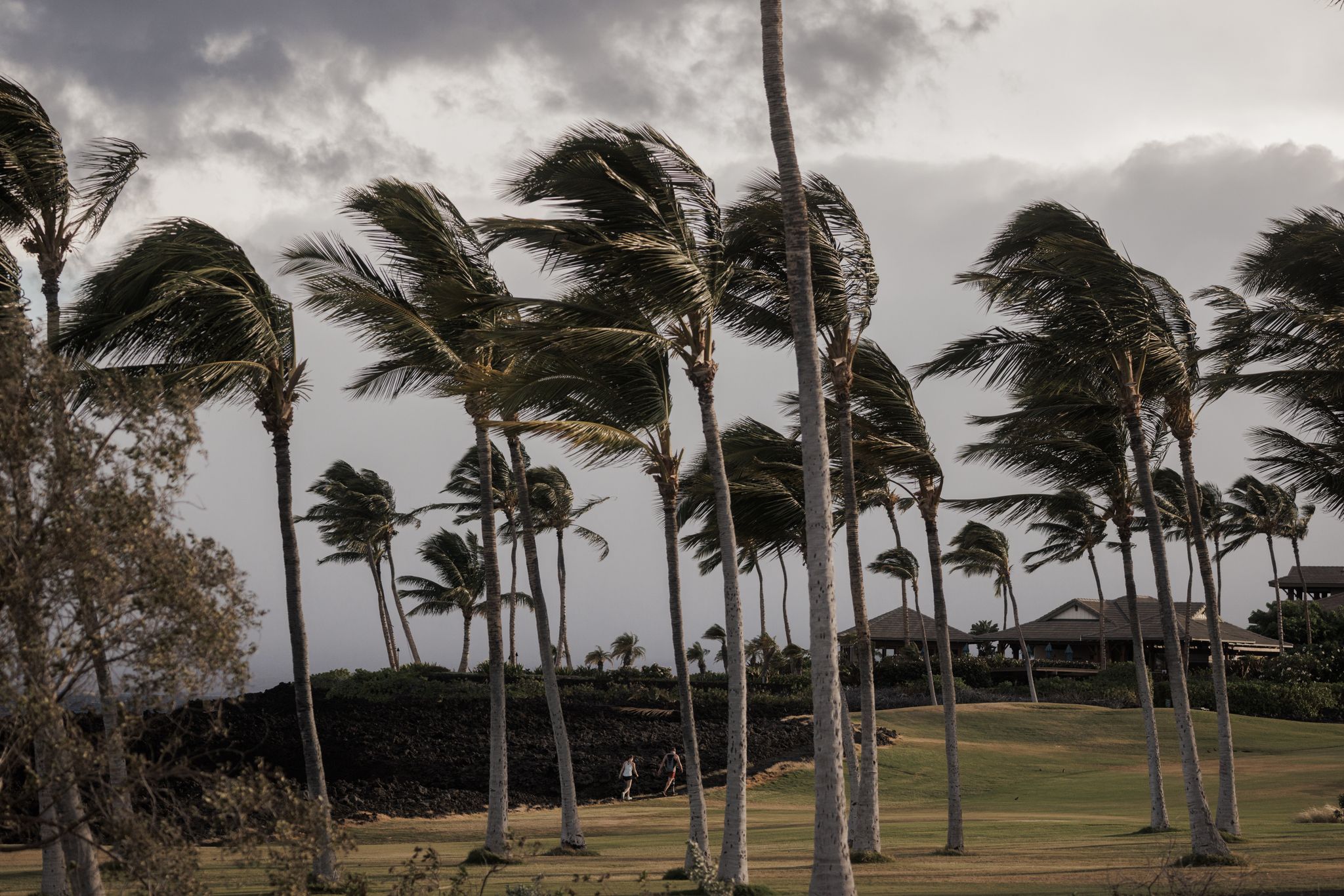
Hawaii Prepares for Tropical Storm Lala, Expected to Bring Hurricane-Force Winds and Heavy Rain to...

🔴LIVE | First Alert Daily: Stay updated on the latest weather forecasts and severe weather...
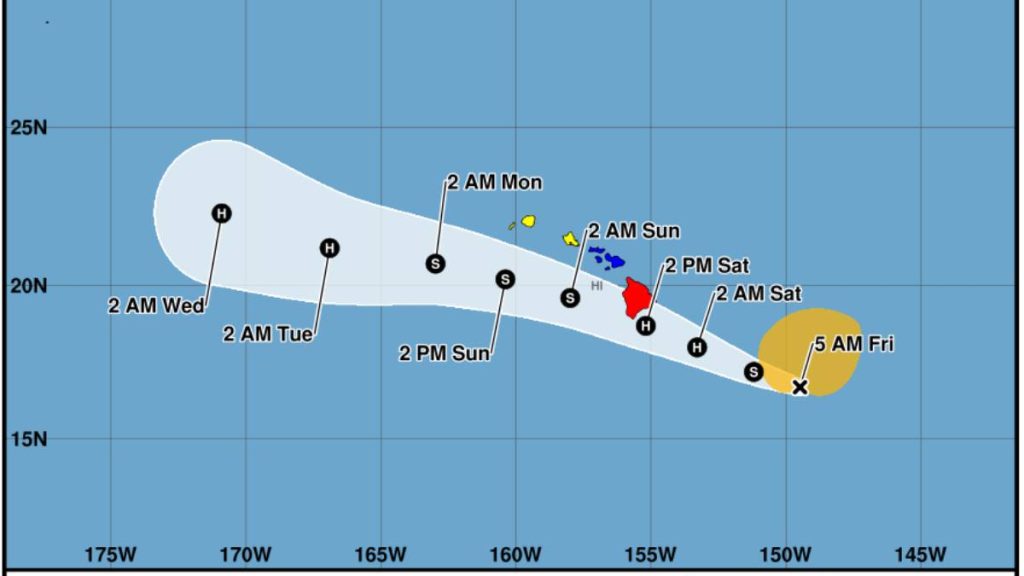
Tropical Storm Lala Brings Heavy Rainfall and Flash Flooding Risks to Kauaʻi, Niʻihau

Atlantic Hurricane Season: Navigating the Unpredictable Tropics as the Season Nears Its Peak
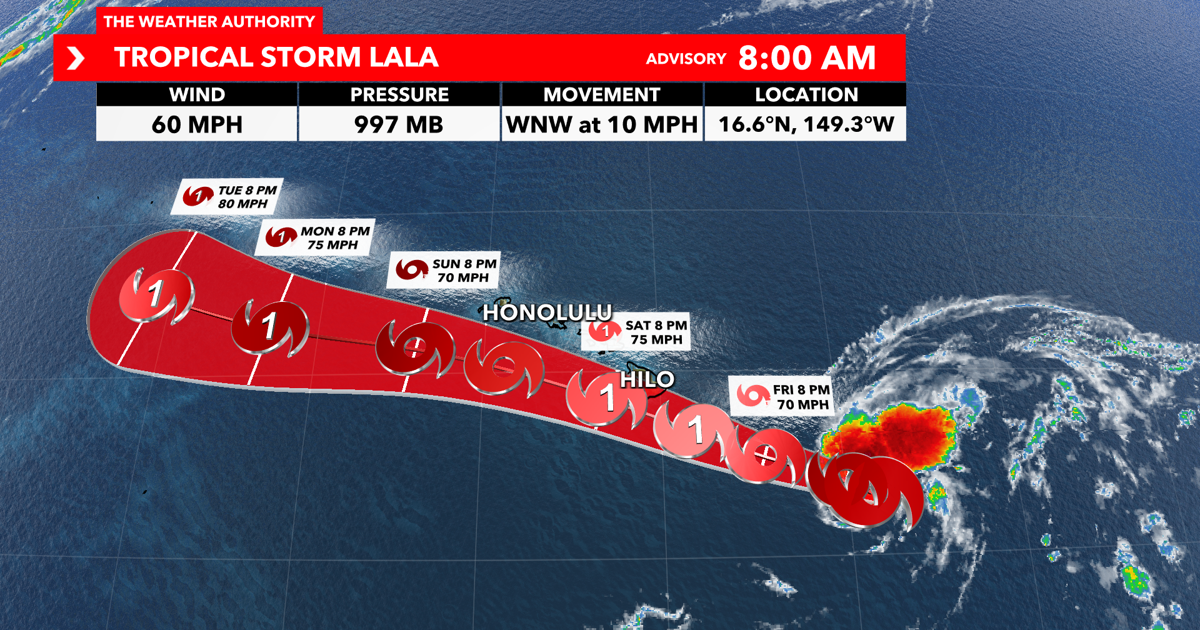
Lala, a rare hurricane, is set to make landfall in Hawaii in 34 years, posing a significant threat...

Netizen tidak senang dengan komentar-komentar yang diberikan

BTS mungkin kembali mengikuti Grammy setelah rekanan mereka, Recording Academy, mengumumkan revisi...
BTS mungkin tidak akan mengubah keputusan untuk mengabaikan Grammy karena deadline pengiriman musik...
Update terbaru tentang keputusan BTS untuk tidak mengirimkan musik mereka untuk dijadikan nominee...
Pihak Recording Academy mengumumkan akan kembali meninju keputusan untuk memperkenalkan kategori...

Sangyeop Sangyeop mengumumkan rencananya untuk menikah dengan seorang non-celebrity, mengejutkan...