




Hawaiian Electric Provides Statewide Power Restoration Update
Hawaiian Electric has issued a comprehensive update on the status of power restoration across the...
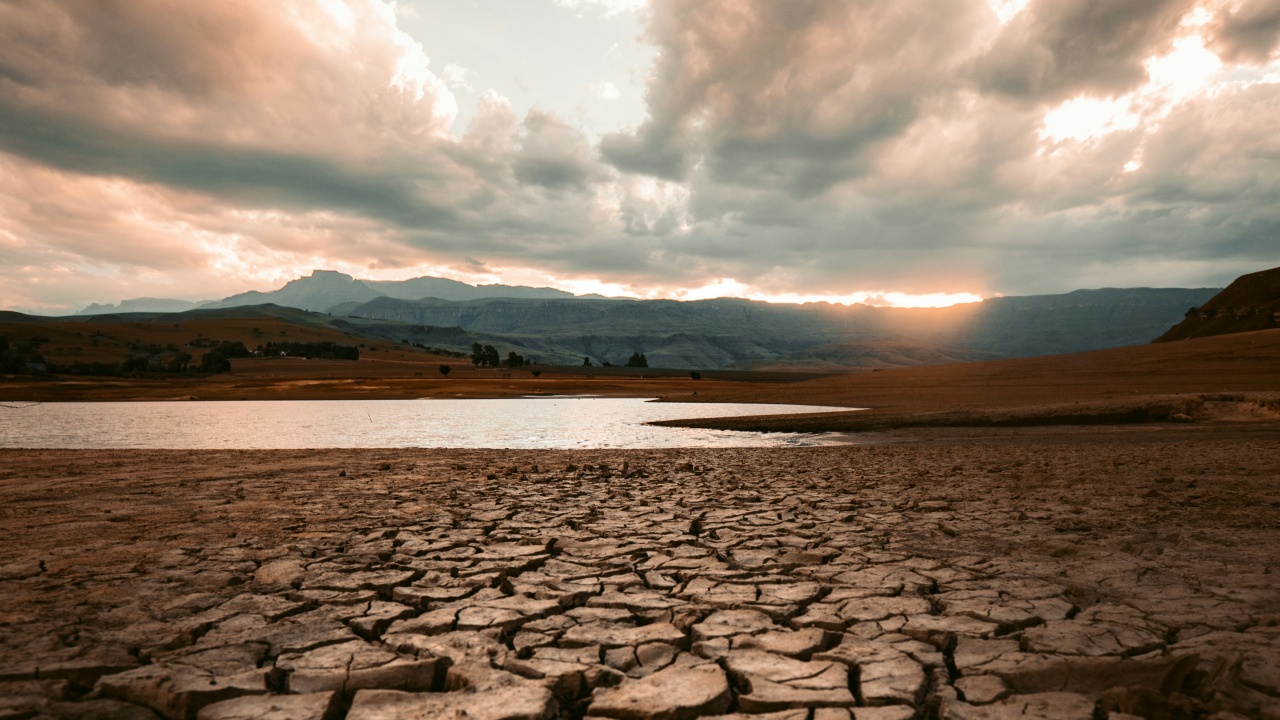
The Indonesian Meteorology, Climatology, and Geophysics Agency (BMKG) has released an official forecast for the peak of the dry season in Indonesia, which is expected to occur from July to September 2026.
The natural conditions this time require extra vigilance due to the potential presence of El Nino, which is predicted to persist until early 2027 with a moderate intensity of 98 percent and a strong intensity of 62 percent.
BMKG predicts that the El Nino phenomenon will continue until early 2027, but its impact on Indonesia will be felt during the dry season until mid-October,
according to the Deputy of Climatology at BMKG, Ardhasena Sopaheluwakan.
The threat of extreme drought is moving gradually across Indonesia's land areas from month to month. The Head of BMKG, Teuku Faisal Fathani, outlined the division of affected areas based on the Seasonal Zone (ZOM):
In July, the affected area will cover 12.26 percent of the land, or 83 ZOM, including parts of Sumatra, a small part of Kalimantan, a small part of Java, East Nusa Tenggara, West Sulawesi, Central Sulawesi, a small part of Maluku, Southwest Papua, Central Papua, and East Papua.
In August, the affected area will cover 48.84 percent of the land, or 369 ZOM, including central Sumatra, most of Java, Bali, West Nusa Tenggara, part of East Nusa Tenggara, most of Kalimantan, part of Sulawesi, part of Maluku, North Maluku, and most of Papua.
In September, the affected area will cover 25.41 percent of the land, or 169 ZOM, including the Bangka Belitung Islands, most of South Sumatra, Lampung, a small part of Java, most of East Nusa Tenggara, southern Kalimantan, most of Sulawesi, most of North Maluku, part of Maluku, and the central part of Papua.
In response to the threat of a longer dry season than usual, BMKG has issued strategic recommendations to maintain national stability. The food sector is advised to adjust planting schedules and choose drought-resistant varieties with short maturity periods. The water resources sector must revitalize dams and improve clean water distribution networks.
The energy sector must ensure the water capacity of dams for the operation of Hydroelectric Power Plants (PLTA). Meanwhile, local governments are responsible for preparing a rapid response mechanism to anticipate the decline in air quality that causes Acute Respiratory Infections (ARI). To reduce the risk of forest and land fires, the implementation of Cloud Seeding Operations (CSO) is ready to be carried out situationally.
The implementation of CSO is carried out situationally, adjusting to the dynamics of the atmosphere on a scale of hours to 10 days,
according to the Acting Deputy of Meteorology, Andri Ramdhani, in concluding the explanation of the tactical steps to mitigate climate disasters.
The peak of the 2026 dry season in Indonesia is expected to be drier due to the presence of El Nino
Hawaiian Electric has issued a comprehensive update on the status of power restoration across the...

Darren Pai from Hawaiian Electric shares a critical 5 p.m. update on the ongoing power outage...

Hawaiian Electric Company is pushing towards a major 'green power' milestone, targeting nearly...
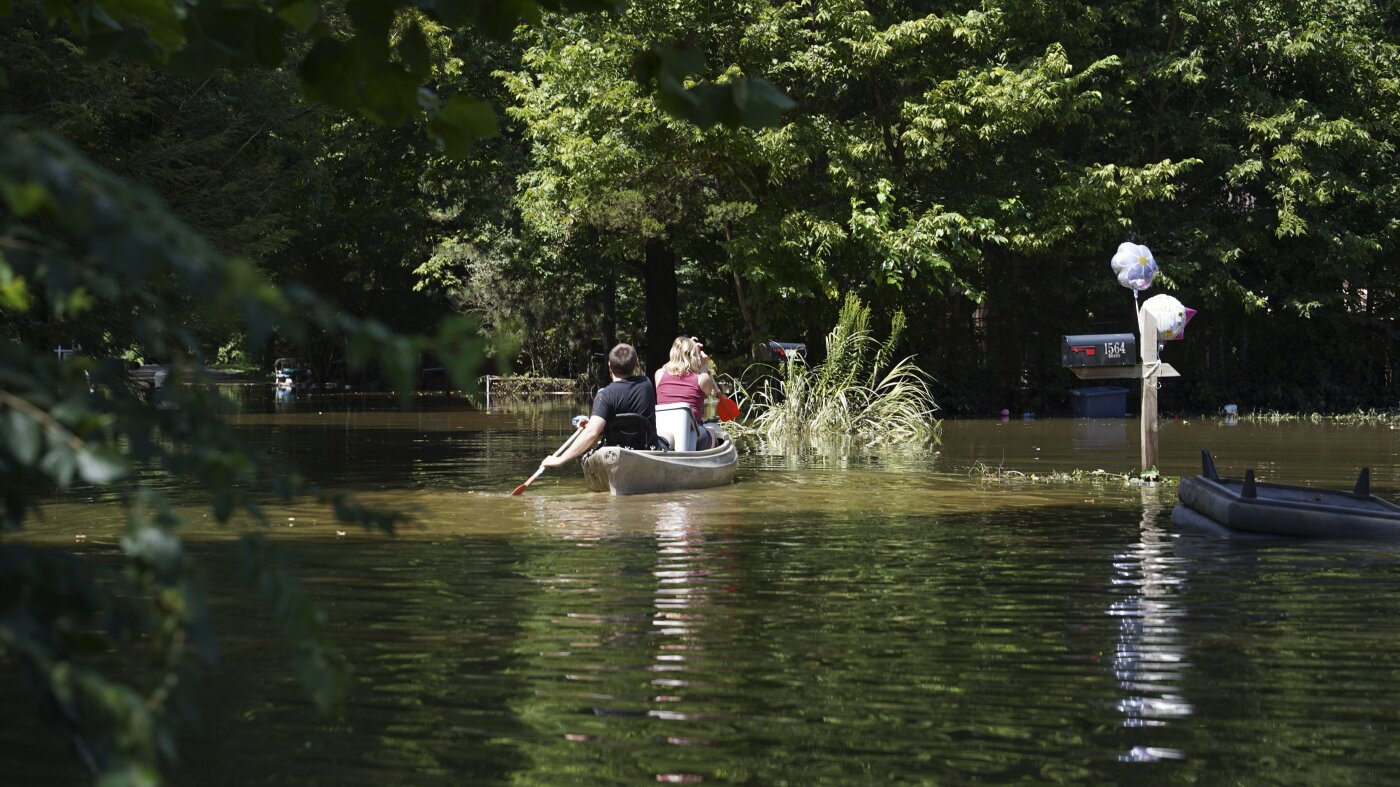
The floods that have been battering Indiana for days have left a trail of destruction and claiming...

Tropical Storm Lala made headlines by producing snow on the summit of Mauna Kea, a rare and...

Hurricane Lala brings powerful winds and heavy rainfall to Hawaii island, causing widespread damage...

Netizen tidak senang dengan komentar-komentar yang diberikan

BTS mungkin kembali mengikuti Grammy setelah rekanan mereka, Recording Academy, mengumumkan revisi...
BTS mungkin tidak akan mengubah keputusan untuk mengabaikan Grammy karena deadline pengiriman musik...
Update terbaru tentang keputusan BTS untuk tidak mengirimkan musik mereka untuk dijadikan nominee...
Pihak Recording Academy mengumumkan akan kembali meninju keputusan untuk memperkenalkan kategori...

Sangyeop Sangyeop mengumumkan rencananya untuk menikah dengan seorang non-celebrity, mengejutkan...