



Pemerintah Kabupaten Aceh Tamiang: Bumi Muda Sedia Pulih dan Bangkit
Pemerintah Kabupaten Aceh Tamiang: Bumi Muda Sedia Pulih dan Bangkit — Informasi Terbaru
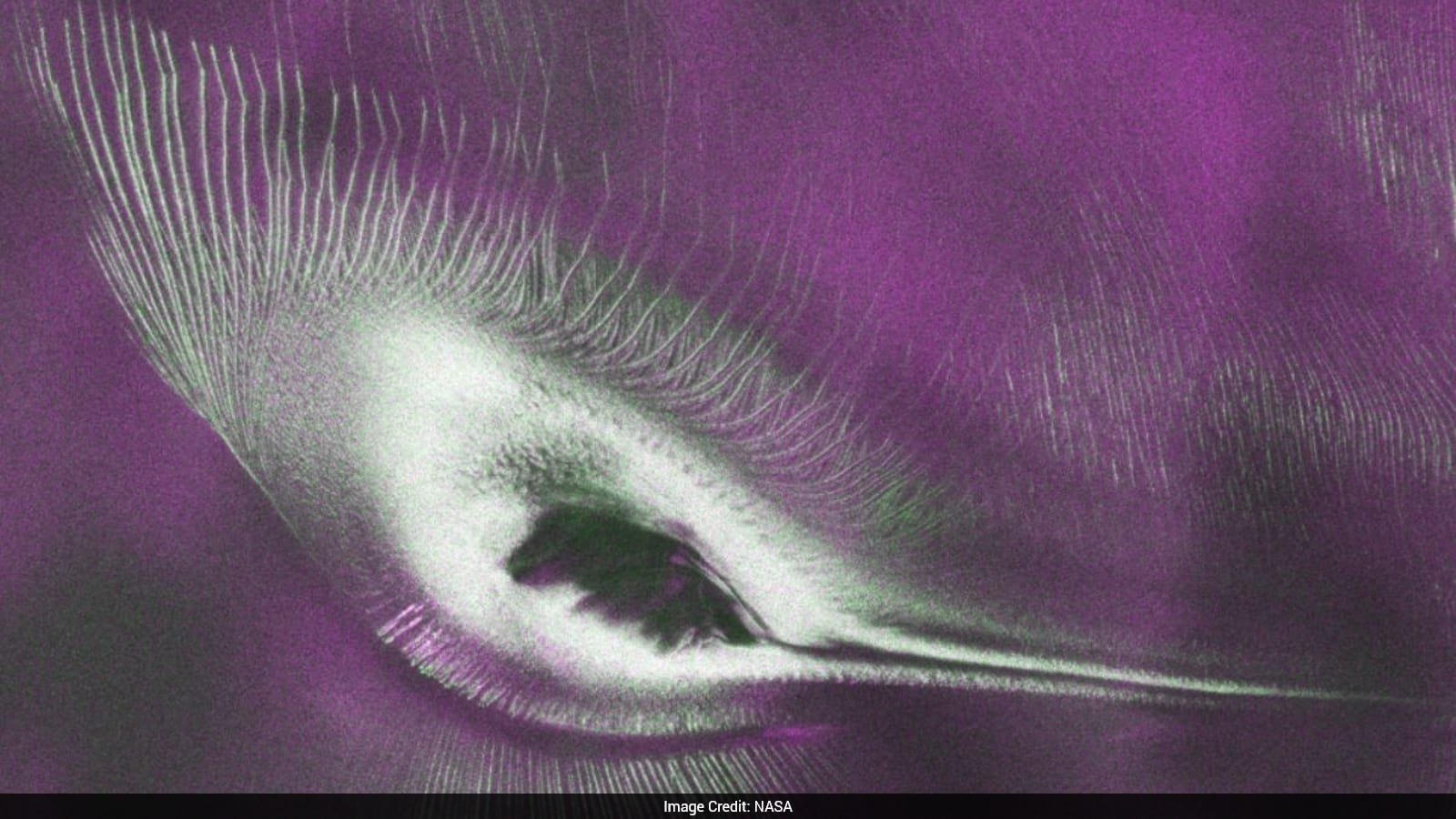
NASA's NISAR satellite has made a groundbreaking discovery beneath the Antarctic ice, revealing a "hummingbird"-like pattern that has left scientists intrigued. The image, which was released to the public on July 20, showcases the satellite's remarkable capabilities in capturing detailed features of ice and glaciers that are difficult to observe with ordinary cameras. This achievement is a testament to the collaboration between NASA and the Indian Space Research Organisation, which has resulted in the development of this powerful satellite.
The NISAR satellite is equipped with two advanced radar instruments, the L-band and S-band radars, which can penetrate the ice and snow, providing a unique insight into the underlying structure of the Antarctic environment. The radar signals can see through the snow and deep into the ice, enabling scientists to study the movement of ice masses, monitor changes in ecosystems, and respond to natural hazards. This technology has far-reaching implications, as it can help researchers better understand the impact of climate change on our planet.
The image released by NASA shows the Nunatak Zaterjavshijsja, a mountaintop in East Antarctica that rises above a stream of ice flowing northeast towards the ocean. The image is remarkable not only for its clarity but also for its eerie resemblance to a hummingbird. The scientists who worked on the image, led by Seongsu Jeong, a signal analysis engineer at NASA's Jet Propulsion Laboratory in Southern California, were delighted by the results. They noted that the use of radar allows for the observation of fundamentally different properties of Antarctic ice compared to optical imagery.
The creation of this image was made possible by the measurements collected by NISAR's L-band instrument during a test phase of the satellite's systems. Mission teams from the United States and India were busy fine-tuning the satellite's capabilities, and this image reflects one of the mission's key strengths - producing highly detailed images that are both informative and visually striking. The colours in the image show differences in the way polarised microwave signals interact with and reflect from the ice, highlighting the unique characteristics of this polar environment.
The image was created using a combination of radar signals with horizontal and vertical polarisation, which interact with the ice in distinct ways. Signals returning with horizontal polarisation most likely reflected from smoother ice surfaces, appearing magenta in the image. In contrast, signals returning with vertical polarisation may have passed through snow and ice or scattered from uneven surfaces, such as crevasses, resulting in the green colour observed in the image. The white areas represent places where both magenta and green signals scatter back strongly, indicating an equal combination of surface and volume scattering.
The release of this image marks a significant milestone in the field of remote sensing, as it showcases the potential of radar technology in studying polar regions. This achievement has far-reaching implications for our understanding of climate change and its impacts on the environment. By utilising the capabilities of the NISAR satellite, scientists can gain a deeper understanding of the intricacies of the Antarctic environment and develop more effective strategies for monitoring climate change.
The image released by NASA is not only significant from a scientific perspective but also visually striking. It has captivated the attention of the public, sparking widespread interest in the capabilities of the NISAR satellite and its potential applications. The collaboration between NASA and the Indian Space Research Organisation has paved the way for future research initiatives and has demonstrated the power of international cooperation in advancing our understanding of the world.
Unlocking the Mysteries of Antarctica's Ice: A Closer Look at the Hummingbird-Like Pattern Captured by NASA's NISAR
Pemerintah Kabupaten Aceh Tamiang: Bumi Muda Sedia Pulih dan Bangkit — Informasi Terbaru

Acara 600 ribu porsi kulinier gratis di Monas, menghidupkan semangat kebangsaan dan memperkuat rasa...

Hayden Panettiere, bintang televisi Amerika yang terkenal dengan perannya dalam serial 'Heroes' dan...

Jalan Merdeka Barat Dekat Istana Merdeka Jadi Parkir Liar Warga yang ke Monumen Nasional IDN Times

Kopassus Mengudara: Aksi Terjun Payung Terunggul di Istana Merdeka - Media Indonesia

Watch the live action of Tijuana vs. Cruz Azul, all the latest news, analysis, and match scores...

Netizen tidak senang dengan komentar-komentar yang diberikan

BTS mungkin kembali mengikuti Grammy setelah rekanan mereka, Recording Academy, mengumumkan revisi...
BTS mungkin tidak akan mengubah keputusan untuk mengabaikan Grammy karena deadline pengiriman musik...
Update terbaru tentang keputusan BTS untuk tidak mengirimkan musik mereka untuk dijadikan nominee...
Pihak Recording Academy mengumumkan akan kembali meninju keputusan untuk memperkenalkan kategori...

Sangyeop Sangyeop mengumumkan rencananya untuk menikah dengan seorang non-celebrity, mengejutkan...