



Ukraine Braces for Potential Russian Mobilization: Understanding the Threat and Implications
Ukraine's President Volodymyr Zelenskyy warns of a new Russian mobilization wave following upcoming...
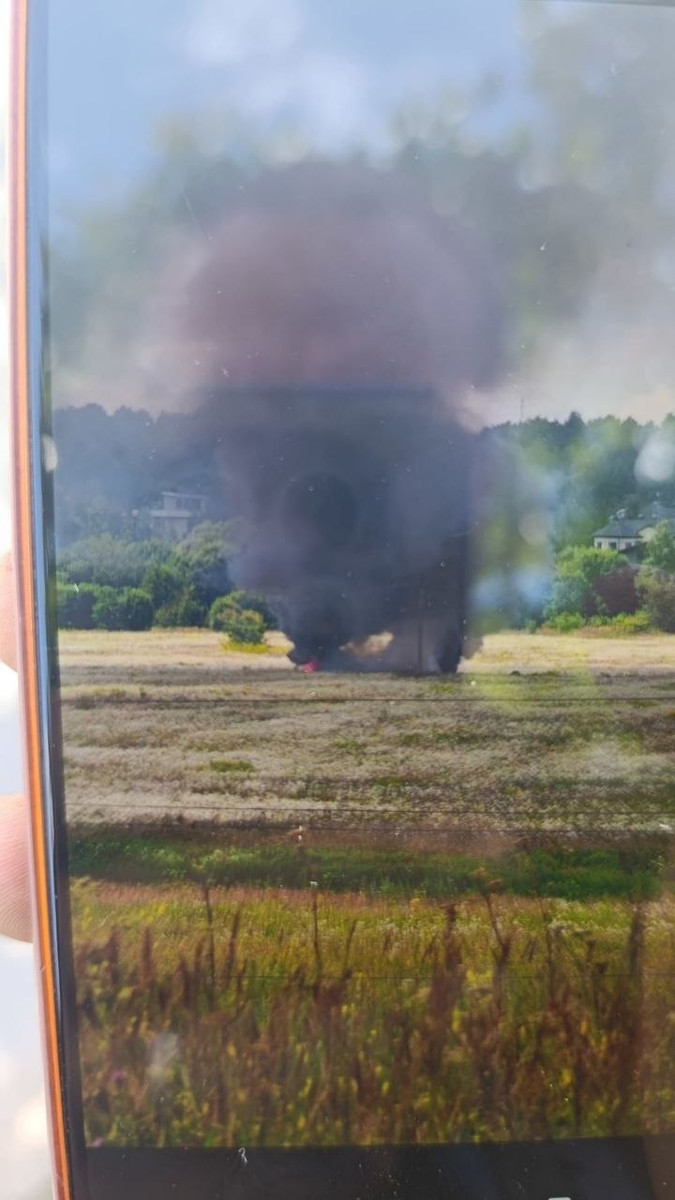
The Russian military suffered a significant setback on July 23 when a Su-57 fifth-generation fighter jet crashed during a training flight in the Odintsovo district of the Moscow region. The pilot, who ejected safely, became the latest hero in a string of incidents involving Russia's most advanced multirole fighter. The cause of the crash remains shrouded in mystery, with Russian authorities refusing to comment on the incident until a thorough investigation is conducted.
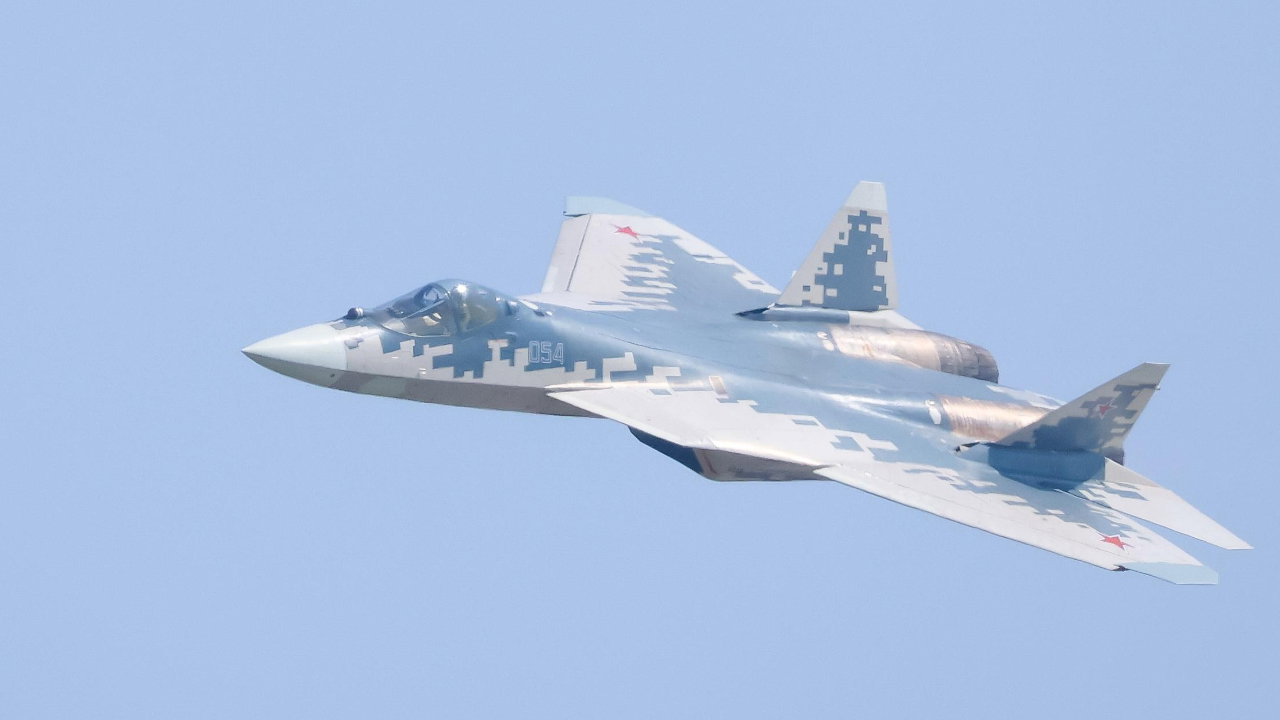
A Russian Su-57 fighter jet takes off for a training mission, showcasing its sleek design and advanced avionics. The Su-57, Russia's most advanced fifth-generation multirole fighter, made its maiden flight in 2010 but serial production was delayed for years before entering limited service in 2017. The aircraft is designed for air superiority missions and strikes against ground and naval targets, featuring stealth technology and advanced avionics that enable it to carry a wide range of precision-guided weapons.
Russia is believed to operate only about 30 Su-57 fighter jets, far fewer than its goal of delivering 76 additional aircraft by 2027. The slow pace of production has raised questions among Western analysts about the Su-57's actual stealth capabilities and its overall effectiveness on the battlefield. Despite its advanced features, the Su-57 has rarely been used in combat against Ukraine, likely because Moscow fears losing one to Ukrainian air defenses.
The Su-57 has recently been spotted in an apparent counter-drone role, with photos showing the aircraft carrying R-73 air-to-air missiles on external wing pylons rather than inside its internal weapons bay. This configuration compromises the Su-57's stealth characteristics, highlighting the evolving nature of modern warfare. Russia has also explored new roles for the Su-57, including a two-seat variant intended for export, which could potentially serve as an airborne command post coordinating both manned aircraft and unmanned drones.
Russia's Su-57 has faced challenges on the battlefield, with two confirmed hits on the ground in June 2024 and April 2026. While the Su-57 remains a valuable asset for the Russian military, its vulnerability in these incidents underscores the difficulties faced by Moscow in its ongoing campaign against Ukraine. The Su-57's limitations in combat have raised questions about its effectiveness and the overall strategic direction of Russia's military modernization efforts.
The incident serves as a reminder of the risks and complexities involved in military training, where even the most advanced aircraft can crash due to human error or mechanical failure. As Russia continues to develop and deploy its Su-57 fleet, the military will need to prioritize training and safety protocols to minimize the risk of such incidents. Moreover, the Su-57's slow production pace and limited combat deployments raise questions about the overall effectiveness of Russia's military modernization efforts and its ability to project power in the region.
As the war between Russia and Ukraine rages on, the incident highlights the critical importance of air superiority in modern warfare. The Su-57's performance in these battles will undoubtedly draw international attention, with implications for Russia's military strategy and its global reputation as a military power. As the international community continues to monitor the situation, one thing is clear: the Su-57's limitations in combat have significant implications for Russia's military and its ability to achieve its strategic objectives.
Russia's Su-57 fifth-generation fighter jet crashes during a training flight near Moscow, pilot ejects safely, no casualties reported, cause of incident still a mystery

Ukraine's President Volodymyr Zelenskyy warns of a new Russian mobilization wave following upcoming...
Analysis of the recent Sukhoi Su-57 crash near Moscow, including key facts, analysis, and...
A Russian Su-57 fighter jet has crashed near Moscow, dealing a significant blow to Russia's air...

A rare Su-57 fighter jet crashes near Moscow, Russia, sparking questions about defense air...
The Ukrainian Air Force has marked a significant milestone in its conflict with Russia, with a...

Ukraine launches its largest attack on Moscow yet as tensions between Russia and Ukraine escalate

Netizen tidak senang dengan komentar-komentar yang diberikan

BTS mungkin kembali mengikuti Grammy setelah rekanan mereka, Recording Academy, mengumumkan revisi...
BTS mungkin tidak akan mengubah keputusan untuk mengabaikan Grammy karena deadline pengiriman musik...
Update terbaru tentang keputusan BTS untuk tidak mengirimkan musik mereka untuk dijadikan nominee...
Pihak Recording Academy mengumumkan akan kembali meninju keputusan untuk memperkenalkan kategori...

Sangyeop Sangyeop mengumumkan rencananya untuk menikah dengan seorang non-celebrity, mengejutkan...