




Hawaiian Electric Provides Statewide Power Restoration Update
Hawaiian Electric has issued a comprehensive update on the status of power restoration across the...

The scorching heat that has engulfed the United States is having a devastating impact on over 100 million people, with temperatures expected to soar to triple-digit highs in many parts of the country. The extreme heat warning has been issued for several states, including Arizona, California, Colorado, Kansas, Missouri, Nebraska, Nevada, New Mexico, Oklahoma, South Dakota, Texas, and Wyoming. The heatwave is expected to persist for several days, causing widespread discomfort and health risks for those affected.
The heatwave is particularly concerning in Phoenix, Arizona, where temperatures are expected to reach 115 degrees Fahrenheit on Monday, followed by a high of 120 degrees by next weekend. Palm Springs, California, is also expected to experience extreme heat, with daytime highs reaching 112 degrees and approaching 120 degrees by next weekend. The temperatures in the Southwest are 8 to 12 degrees above normal, making it an unusually warm period.
The heat is compounded by high humidity in many parts of the country, particularly in the Midwest and Eastern states. This has resulted in heat index values of 105 to 115 degrees in several areas, with some locations potentially feeling even hotter. The overnight hours will provide limited relief, with Sunday-night temperatures only expected to fall to around 90 degrees in Phoenix and Las Vegas, while lows near 80 are forecast in cities such as Dallas, Kansas City, and Omaha.
A cold front is expected to bring some cooler weather to the Upper Midwest early this week, but the heat will persist in other parts of the country. Temperatures in the Southwest are expected to climb to up to 115 degrees this week, with daytime highs approaching 120 degrees by next weekend. The National Weather Service's Storm Prediction Center has placed several areas under a 3 out of 5 risk for severe thunderstorms on Sunday, with damaging wind gusts, large hail, and isolated tornadoes possible.
The heatwave has significant implications for public health, with heat-related illnesses and deaths expected to increase in the coming days. Heat exhaustion and heat stroke are two of the most common heat-related illnesses, and the elderly, young children, and people with pre-existing medical conditions are particularly vulnerable. The American Red Cross has issued some tips on how to stay safe during the heatwave, including staying hydrated, taking breaks in cool places, and avoiding strenuous activities during the hottest part of the day.
As the heatwave continues to affect large parts of the country, officials are urging people to take precautions to stay safe. Residents are advised to stay indoors during the hottest part of the day, stay hydrated by drinking plenty of water, and check on vulnerable neighbors, especially the elderly and those with medical conditions. The heatwave is a reminder of the importance of being prepared for extreme weather events and taking precautions to stay safe during hot spells.
The heatwave is also having a significant impact on the economy, particularly in the agricultural sector. High temperatures and drought conditions are affecting crop yields, with some farmers reporting significant losses. The heatwave is also expected to impact air travel, with flights delayed or canceled due to extreme heat at airports.
In conclusion, the ongoing heatwave in the United States is a serious concern for public health, the economy, and society as a whole. It is essential for residents to take precautions to stay safe, officials to ensure that emergency services are equipped to handle the heatwave, and businesses to take measures to mitigate the impact on their operations.
Sizzling US temperatures put over 100 million people under heat alerts. ABC News - Breaking News, Latest News and Videos
Hawaiian Electric has issued a comprehensive update on the status of power restoration across the...
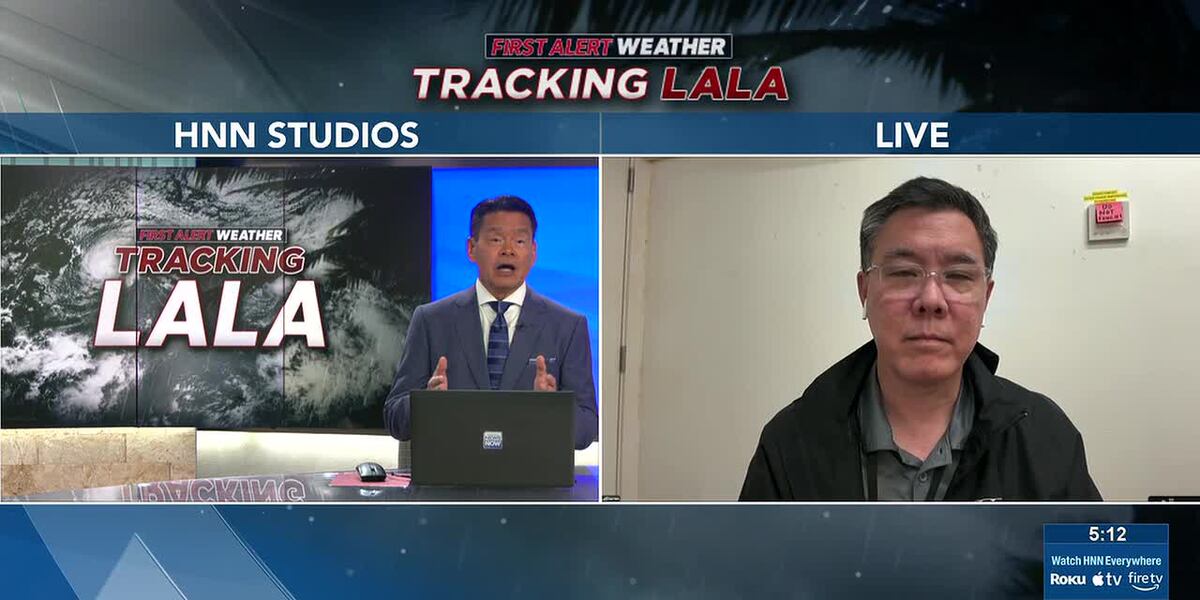
Darren Pai from Hawaiian Electric shares a critical 5 p.m. update on the ongoing power outage...

Downtown Dallas fire update and analysis, as a large plume of dark smoke was seen rising over the...

Hawaiian Electric Company is pushing towards a major 'green power' milestone, targeting nearly...

Ben Rice seals the deal with a 10th-inning home run, helping the Yankees escape a three-game series...

Analyzing Jordan Walker's Historic Home Run: A Breakdown of the Statistics MLB.com

Netizen tidak senang dengan komentar-komentar yang diberikan

BTS mungkin kembali mengikuti Grammy setelah rekanan mereka, Recording Academy, mengumumkan revisi...
BTS mungkin tidak akan mengubah keputusan untuk mengabaikan Grammy karena deadline pengiriman musik...
Update terbaru tentang keputusan BTS untuk tidak mengirimkan musik mereka untuk dijadikan nominee...
Pihak Recording Academy mengumumkan akan kembali meninju keputusan untuk memperkenalkan kategori...

Sangyeop Sangyeop mengumumkan rencananya untuk menikah dengan seorang non-celebrity, mengejutkan...