




The Dark Marriage of John-Paul Miller: A Netflix Docuseries Explores the Death of Mica Miller
Netflix dives into the troubled union of John-Paul Miller and Mica Miller, as seen in the explosive...

The Society of St. Pius X (SSPX) has been a topic of discussion within the Catholic Church for several decades, with its traditionalist views often putting it at odds with the more progressive stance of the Vatican. Recently, the SSPX made headlines when it consecrated several bishops in a huge outdoor Mass, an act that was seen as a direct challenge to the authority of the Pope. This move has been met with widespread criticism, with many calling it a schismatic act that could lead to the excommunication of those involved. The SSPX, however, argues that it is merely trying to preserve the traditional teachings of the Catholic Church, which it believes are being eroded by the Vatican's more modernizing tendencies. The situation has sparked a heated debate, with some arguing that the SSPX is justified in its actions, while others see it as a rebellion against the legitimate authority of the Pope. As the controversy continues to unfold, it is essential to examine the background and context of the situation, as well as the potential implications for the Catholic Church as a whole.
The SSPX was founded in 1970 by Archbishop Marcel Lefebvre, who was a strong advocate for traditional Catholicism. Over the years, the organization has grown in size and influence, attracting many who are disillusioned with the modernizing trends within the Catholic Church. The SSPX has been critical of the Vatican's approach to issues such as ecumenism, interfaith dialogue, and liturgical reform, which it sees as a departure from the traditional teachings of the Church. The organization has also been vocal in its opposition to the Second Vatican Council, which it believes has led to a watering down of Catholic doctrine. Despite its controversial views, the SSPX has maintained a significant following, with many seeing it as a beacon of traditional Catholicism in a rapidly changing world. However, its decision to consecrate bishops without the permission of the Pope has been widely seen as a provocative act that could have far-reaching consequences. The move has been condemned by the Vatican, which has warned that those involved could face excommunication. The SSPX, however, remains defiant, arguing that it is merely trying to preserve the traditional teachings of the Church.
The consecration of bishops by the SSPX has significant implications for the Catholic Church, both in terms of its internal dynamics and its relationships with other Christian denominations. The move has been seen as a challenge to the authority of the Pope, who is widely recognized as the supreme leader of the Catholic Church. The Vatican has responded by warning that those involved in the consecration could face excommunication, which would effectively cut them off from the rest of the Church. The situation has also sparked a wider debate about the role of traditionalism within the Catholic Church, with some arguing that it is essential to preserve the traditional teachings of the Church, while others see it as a hindrance to progress and reform. As the controversy continues to unfold, it is likely that the situation will have far-reaching consequences for the Catholic Church, both in terms of its internal dynamics and its relationships with other Christian denominations. The SSPX, meanwhile, remains committed to its traditionalist views, despite the potential risks and consequences. The organization's leader, Bishop Bernard Fellay, has stated that the SSPX is willing to accept the consequences of its actions, arguing that it is essential to preserve the traditional teachings of the Church.
The situation has also sparked a wider debate about the nature of authority within the Catholic Church. The SSPX argues that it is justified in its actions because it is trying to preserve the traditional teachings of the Church, which it believes are being eroded by the Vatican's more modernizing tendencies. The Vatican, on the other hand, argues that the SSPX is rebelling against the legitimate authority of the Pope, who is widely recognized as the supreme leader of the Catholic Church. The debate highlights the complex and often contentious nature of authority within the Church, with different factions and interest groups vying for influence and power. As the controversy continues to unfold, it is likely that the situation will have significant implications for the Catholic Church, both in terms of its internal dynamics and its relationships with other Christian denominations. The SSPX, meanwhile, remains committed to its traditionalist views, despite the potential risks and consequences. The organization's decision to consecrate bishops without the permission of the Pope has been widely seen as a provocative act, but it also reflects a deeper sense of disillusionment and disconnection among some Catholics, who feel that the Church is losing its way.
The future outlook for the SSPX and the Catholic Church is uncertain, with many possible scenarios and outcomes. One possibility is that the SSPX will be excommunicated, which would effectively cut it off from the rest of the Church. This would be a significant blow to the organization, which has always seen itself as a part of the wider Catholic Church. Alternatively, the Vatican may choose to engage in dialogue with the SSPX, in an effort to find a way forward that addresses the concerns of both parties. This could involve a range of possible compromises and concessions, including the possibility of the SSPX being recognized as a legitimate part of the Catholic Church. Whatever the outcome, it is clear that the situation will have far-reaching consequences for the Catholic Church, both in terms of its internal dynamics and its relationships with other Christian denominations. The SSPX, meanwhile, remains committed to its traditionalist views, despite the potential risks and consequences. As the controversy continues to unfold, it is essential to examine the background and context of the situation, as well as the potential implications for the Catholic Church as a whole.
In conclusion, the consecration of bishops by the SSPX has sparked a significant controversy within the Catholic Church, with many questioning the organization's decision to defy the Pope and face potential excommunication. The situation has highlighted the complex and often contentious nature of authority within the Church, with different factions and interest groups vying for influence and power. As the controversy continues to unfold, it is likely that the situation will have far-reaching consequences for the Catholic Church, both in terms of its internal dynamics and its relationships with other Christian denominations. The SSPX, meanwhile, remains committed to its traditionalist views, despite the potential risks and consequences. The organization's decision to consecrate bishops without the permission of the Pope has been widely seen as a provocative act, but it also reflects a deeper sense of disillusionment and disconnection among some Catholics, who feel that the Church is losing its way. As the Catholic Church navigates this complex and challenging situation, it is essential to examine the background and context of the controversy, as well as the potential implications for the Church as a whole.
The situation has also sparked a wider debate about the role of traditionalism within the Catholic Church, with some arguing that it is essential to preserve the traditional teachings of the Church, while others see it as a hindrance to progress and reform. The SSPX argues that it is justified in its actions because it is trying to preserve the traditional teachings of the Church, which it believes are being eroded by the Vatican's more modernizing tendencies. The Vatican, on the other hand, argues that the SSPX is rebelling against the legitimate authority of the Pope, who is widely recognized as the supreme leader of the Catholic Church. The debate highlights the complex and often contentious nature of authority within the Church, with different factions and interest groups vying for influence and power. As the controversy continues to unfold, it is likely that the situation will have significant implications for the Catholic Church, both in terms of its internal dynamics and its relationships with other Christian denominations. The SSPX, meanwhile, remains committed to its traditionalist views, despite the potential risks and consequences. The organization's leader, Bishop Bernard Fellay, has stated that the SSPX is willing to accept the consequences of its actions, arguing that it is essential to preserve the traditional teachings of the Church.
The Catholic Church is facing a significant challenge in terms of how to respond to the SSPX and its traditionalist views. The Vatican has warned that those involved in the consecration could face excommunication, which would effectively cut them off from the rest of the Church. However, the SSPX remains defiant, arguing that it is merely trying to preserve the traditional teachings of the Church. The situation has sparked a wider debate about the nature of authority within the Church, with some arguing that the SSPX is justified in its actions, while others see it as a rebellion against the legitimate authority of the Pope. As the controversy continues to unfold, it is essential to examine the background and context of the situation, as well as the potential implications for the Catholic Church as a whole. The SSPX, meanwhile, remains committed to its traditionalist views, despite the potential risks and consequences. The organization's decision to consecrate bishops without the permission of the Pope has been widely seen as a provocative act, but it also reflects a deeper sense of disillusionment and disconnection among some Catholics, who feel that the Church is losing its way.
The recent consecration of bishops by the Society of St. Pius X (SSPX) has sparked controversy and debate within the Catholic Church, with many questioning the organization's decision to defy the Pope and face potential excommunication. This article provides an in-depth look at the background, key facts, analysis, implications, and future outlook of the situation.
Netflix dives into the troubled union of John-Paul Miller and Mica Miller, as seen in the explosive...
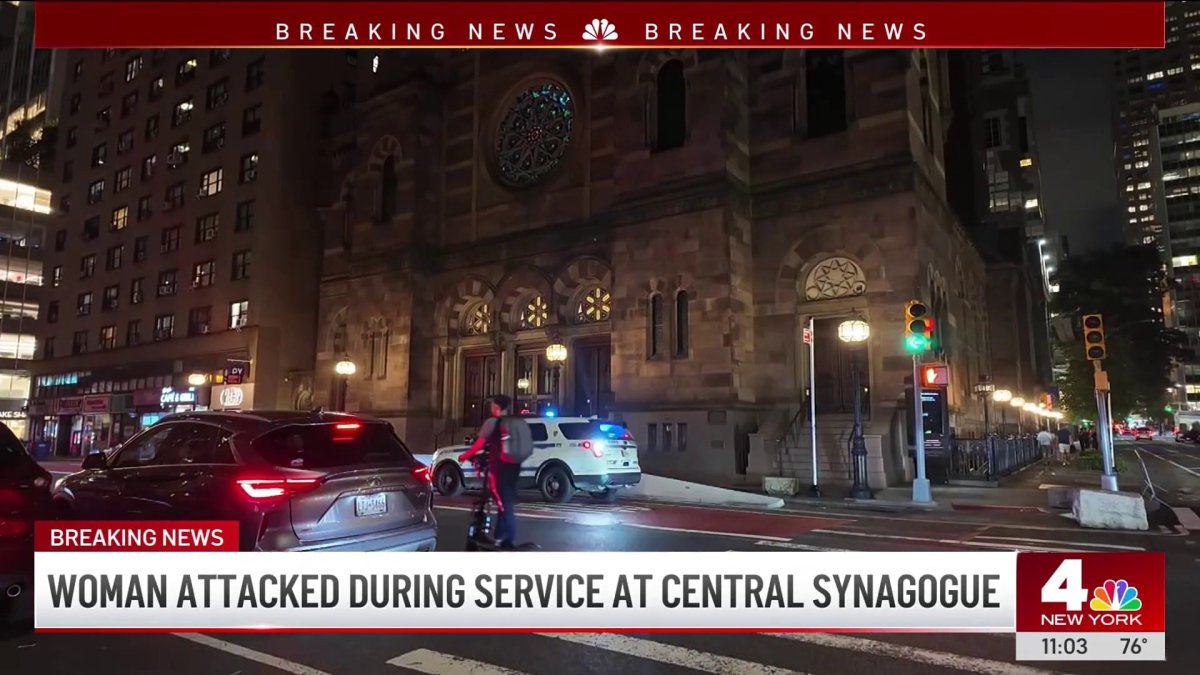
A Disturbing Incident Unfolds During Service at Central Synagogue, Highlighting Growing Concerns...

A devastating earthquake struck Peru, resulting in at least 5 fatalities, prompting the country's...

The Society of St. Pius X carries out the consecration of four bishops despite a warning from the...

The Taste of Italy Facebook post sparks outrage over an anti-Muslim comment, highlighting the...
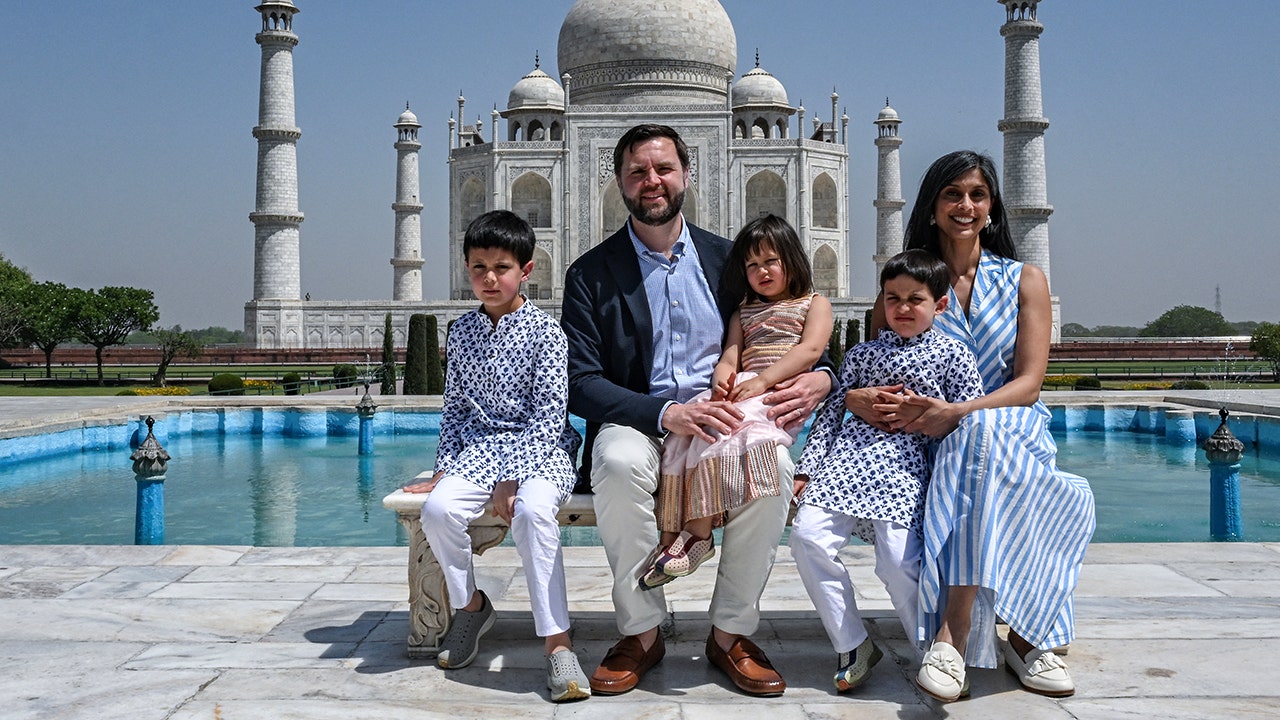
Vice President JD Vance opens up about his spiritual journey, from chasing success to finding...

Netizen tidak senang dengan komentar-komentar yang diberikan

BTS mungkin kembali mengikuti Grammy setelah rekanan mereka, Recording Academy, mengumumkan revisi...
BTS mungkin tidak akan mengubah keputusan untuk mengabaikan Grammy karena deadline pengiriman musik...
Update terbaru tentang keputusan BTS untuk tidak mengirimkan musik mereka untuk dijadikan nominee...
Pihak Recording Academy mengumumkan akan kembali meninju keputusan untuk memperkenalkan kategori...

Sangyeop Sangyeop mengumumkan rencananya untuk menikah dengan seorang non-celebrity, mengejutkan...