





Attorney General Todd Blanche Weighs In On Voter-Roll Dispute, Considering Supreme Court Action
The US Department of Justice, led by Attorney General Todd Blanche, is contemplating taking the...

by ALEXX ALTMAN-DEVILBISS | The National News Desk
WASHINGTON (TNND) — The Supreme Court on Monday ruled that states can continue counting mailed ballots that arrive after Election Day, rejecting a challenge backed by President Donald Trump and Republicans that sought to tighten ballot deadlines ahead of the 2026 midterm elections.
In a 5-4 decision written by Justice Amy Coney Barrett, the court held that federal law does not require mailed ballots to be received by Election Day, so long as states choose to accept ballots that are postmarked by that date. Chief Justice John Roberts joined Barrett and the court's three liberal justices in the majority. This decision marks a significant victory for Democrats and voting rights advocates, who had argued that the Trump-backed challenge would have severely restricted the ability of voters to cast their ballots and have them counted.
Barrett wrote in the majority opinion, "We must decide whether the federal election-day statutes preempt Mississippi's law. They do not." The ruling leaves intact laws in more than half of the states and the District of Columbia that allow mailed ballots to be counted after Election Day if they were postmarked by Election Day. In many of those states, the extended deadlines apply only to military and overseas voters. This means that voters who are serving abroad or are members of the US military will be able to have their ballots counted, even if they are received by the state after Election Day.
The case stemmed from a Mississippi law allowing mailed ballots to be counted if they arrive within five business days after Election Day. A federal appeals court had previously struck down the law, finding that federal law required ballots to be both cast and received by Election Day. The legal challenge was part of Trump's broader opposition to mail voting, which he has consistently claimed contributes to widespread voter fraud.
Since the 2020 election, Trump has repeatedly claimed that mail ballots contribute to voter fraud and have cost him the election, despite a lack of evidence to support these claims. Trump quickly criticized Monday's decision in a post on his Truth Social platform, calling it a "tremendous loss" and renewing his push for the SAVE America Act, which would impose stricter voter ID requirements and restrictions on mail-in voting. The president urged Congress to pass legislation requiring photo identification and proof of citizenship for voters while sharply limiting mail-in voting.
Justice Samuel Alito, joined by Justices Clarence Thomas and Neil Gorsuch, dissented, arguing that the majority had ignored the plain meaning of the federal statutes. "An election is not over until all the ballots are received," Alito wrote, warning that the decision allows states to extend federal elections beyond the day set by Congress. The dissenting justices argued that federal law requires ballots to be received by Election Day, and that the decision would allow states to extend the deadline indefinitely.
Monday's ruling was one of two election-related actions by the Supreme Court. The justices also agreed to hear a Republican-backed challenge to Arizona laws requiring proof of citizenship for some voters. The case, joined by the Trump administration after lower courts blocked parts of the laws, stems from measures passed following the 2020 election and is expected to be argued this fall, with a decision coming after the 2026 midterms.
The decision has significant implications for the upcoming midterm elections and beyond. With many states already beginning to use mail voting, the decision means that millions of voters will be able to cast their ballots and have them counted, even if they arrive after Election Day. This will likely increase voter turnout, particularly among marginalized communities that have historically faced barriers to voting.
The ruling will also have significant implications for the 2026 presidential election. With the decision in place, voters will be able to cast their ballots weeks in advance of the election, using mail ballots or other voting methods. This could potentially increase voter participation and give candidates more time to campaign and mobilize voters.
The implications of the decision extend beyond the next election cycle. By allowing states to extend the deadline for mail-in voting, the decision could set a precedent for future elections, potentially leading to increased voter participation and a more democratic process. However, it also raises concerns about the potential for voter fraud and the need for robust safeguards to protect the integrity of the electoral process.
Supreme Court Rejects Trump-Backed Challenge to Late-Arriving Mail Ballots KOMO
The US Department of Justice, led by Attorney General Todd Blanche, is contemplating taking the...
The Supreme Court emergency docket has experienced a surge in recent weeks, sparking debate and...
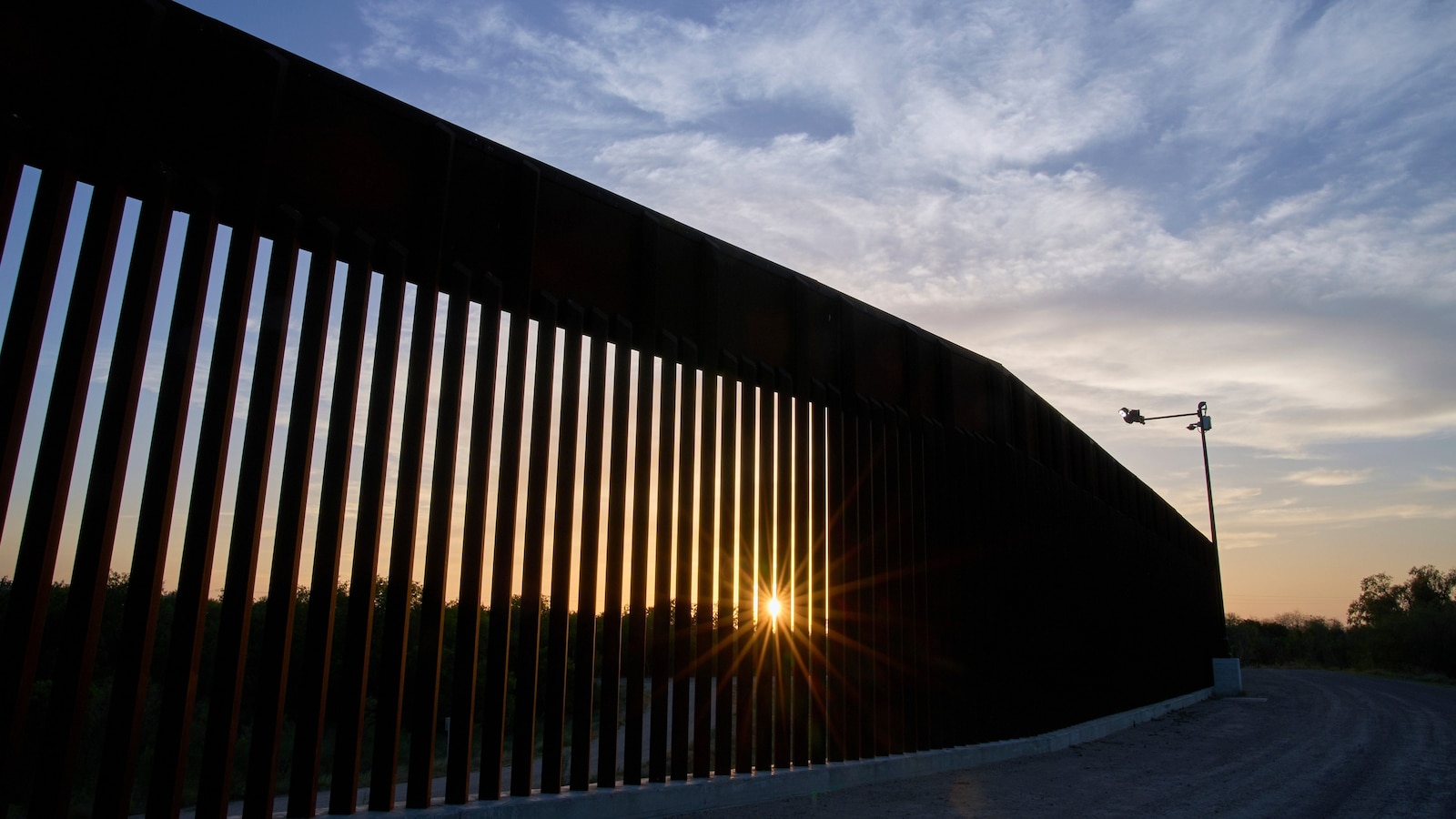
A federal judge has denied the Tohono O'odham Nation's request to halt the Trump administration's...
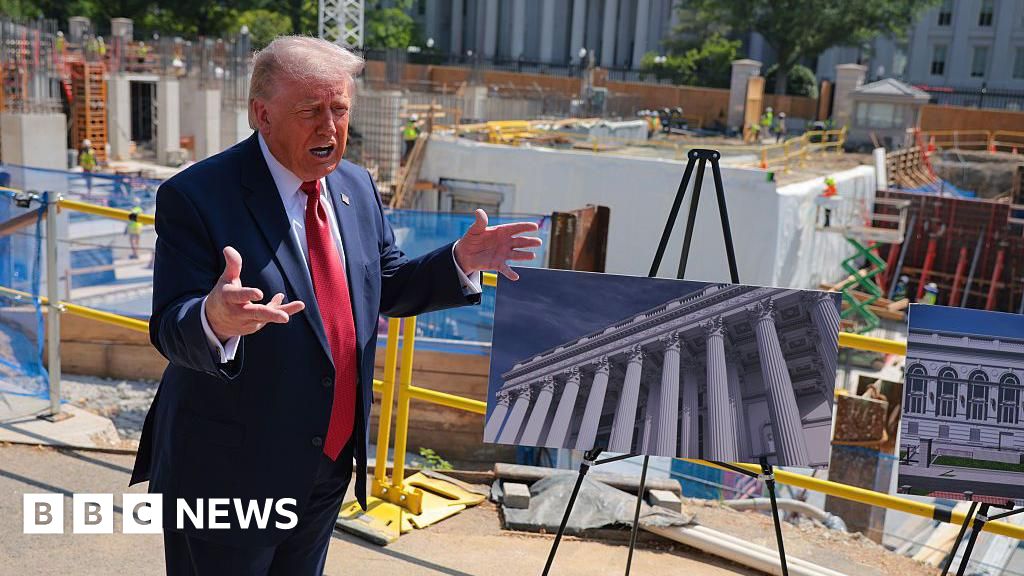
USA TodayTrump admin says White House ballroom 'beyond the point of no return' in Supreme Court...

The White House ballroom construction controversy escalates, with President Trump asking the...
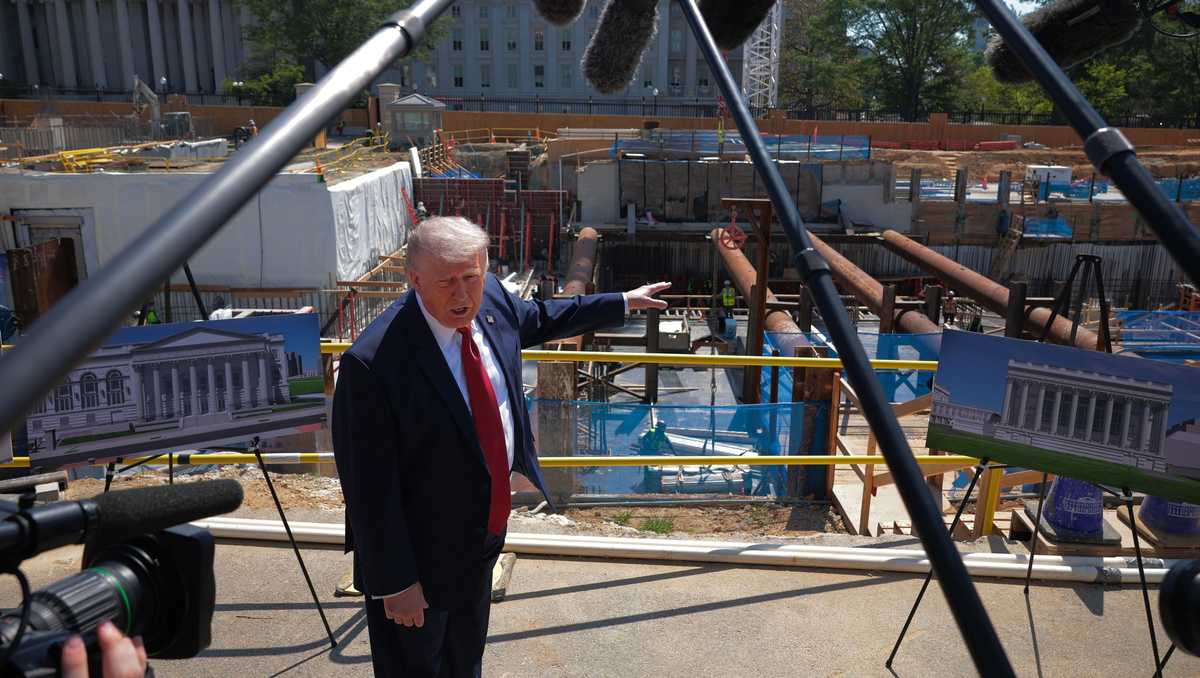
Trump Seeks Supreme Court Intervention in White House Ballroom Dispute, Citing Security Concerns...

Netizen tidak senang dengan komentar-komentar yang diberikan

BTS mungkin kembali mengikuti Grammy setelah rekanan mereka, Recording Academy, mengumumkan revisi...
BTS mungkin tidak akan mengubah keputusan untuk mengabaikan Grammy karena deadline pengiriman musik...
Update terbaru tentang keputusan BTS untuk tidak mengirimkan musik mereka untuk dijadikan nominee...
Pihak Recording Academy mengumumkan akan kembali meninju keputusan untuk memperkenalkan kategori...

Sangyeop Sangyeop mengumumkan rencananya untuk menikah dengan seorang non-celebrity, mengejutkan...