



Pemerintah Kabupaten Aceh Tamiang: Bumi Muda Sedia Pulih dan Bangkit
Pemerintah Kabupaten Aceh Tamiang: Bumi Muda Sedia Pulih dan Bangkit — Informasi Terbaru
Copyright 2026 The Associated Press. All Rights Reserved.
Copyright 2026 The Associated Press. All Rights Reserved.
This combination photo shows Justice Sonia Sotomayor, Sept 16, 2024, in New York, left, and Justice Samuel Alito in Rome, Sept. 20, 2025. The recent exchange between the two justices has sparked intense debate over the future of the Supreme Court.
WASHINGTON (AP) — The Supreme Court is on the cusp of delivering major opinions on several high-profile cases, but even with some of the biggest decisions yet to come, tensions between the justices are beginning to simmer to the surface. The recent exchange between conservative Justice Samuel Alito and liberal Justice Sonia Sotomayor has highlighted the deep divisions within the nation's highest court.
One highly unusual exchange for the traditional and restrained atmosphere of the Supreme Court came on Thursday, as the justices took to the bench to read a summary of their decisions. Those rulings included two major immigration wins for President Donald Trump. After conservative Justice Samuel Alito finished reading the majority's ruling limiting how people can seek asylum at the southern border, liberal Sonia Sotomayor spoke up to read from her biting dissent.
Sotomayor traced the difficult journey many asylum seekers face and outlined a painful chapter in the country's history: When the U.S. and other countries turned back a ship full of Jewish refugees attempting to flee persecution in Nazi Germany in 1939. About 250 of those passengers later died in the Holocaust. Sotomayor said the majority's opinion would allow the Trump administration to block people from applying for asylum at the border, which would result in more deaths. The decision 'regrettably and tragically extinguishes the light of the torch of the Statue of Liberty.'
According to Sotomayor, the policy at the center of the case had been used under both the Obama and Trump administrations. However, she noted that allowing the Trump administration to block people from applying for asylum at the border would lead to more deaths and further human suffering. The conservative majority, on the other hand, saw the case as about whether border officials could delay asylum seekers' entry into the U.S. 'until they can be processed in a safe and orderly way.'
The exchange between Alito and Sotomayor has sparked intense debate over the future of the Supreme Court. While the justices have publicly spoken about their cordial working relationships and regular lunches, the recent exchange has highlighted the deep divisions within the court. It's not the first time unusual tensions have surfaced this term. In April, Sotomayor issued a rare public apology to another justice, Brett Kavanaugh, for what she termed 'hurtful comments.'
In another public appearance in March, Kavanaugh and Justice Ketanji Brown Jackson sparred over the many emergency orders the court had issued allowing Trump to move ahead with key parts of his agenda. The tension between the justices is expected to continue as the court delivers major opinions on several high-profile cases in the coming days. Those rulings include Trump's push to restrict birthright citizenship and expand the president's power to fire board members at independent agencies.
As the Supreme Court delivers its landmark opinions, it's clear that the deep divisions within the court will continue to simmer to the surface. The recent exchange between Alito and Sotomayor is a stark reminder of the deep ideological splits between the court's conservative majority and its liberal wing. Despite the tensions, the justices have decided many cases unanimously, including one this month about the Second Amendment rights of marijuana users. However, the current term has seen a notable increase in dissenting opinions, highlighting the growing chasm between the justices.
The implications of the recent exchange between Alito and Sotomayor are not yet clear. However, it's clear that the tension will continue to simmer to the surface as the court delivers its landmark opinions. The Supreme Court's decisions will have far-reaching implications for the nation, and the deep divisions within the court will undoubtedly shape the outcome of future cases. As the court continues to deliver its opinions, it's essential to examine the implications of the recent exchange and how it will shape the future of the Supreme Court.
Despite the tensions, the Supreme Court remains a critical institution in the United States, and its decisions have far-reaching implications for the nation. The recent exchange between Alito and Sotomayor serves as a reminder of the deep divisions within the court and the importance of examining the underlying issues driving the tension. As the court continues to deliver its opinions, it's essential to engage in a thoughtful and nuanced analysis of the implications of the recent exchange and how it will shape the future of the Supreme Court.
The court's decisions will continue to impact the nation long after the current term comes to a close. It's essential to recognize the significance of the recent exchange and how it reflects the deep divisions within the court. By engaging in a thoughtful analysis of the underlying issues driving the tension, we can gain a deeper understanding of the implications of the recent exchange and how it will shape the future of the Supreme Court.
Tensions between Supreme Court justices come to the forefront as key rulings approach, highlighting the deep divisions within the nation's highest court
Pemerintah Kabupaten Aceh Tamiang: Bumi Muda Sedia Pulih dan Bangkit — Informasi Terbaru
Dewi Soekarno, Putri Presiden Pertama Indonesia, Hadiri Ulang Tahun ke-81 Republik Indonesia dan...
Perayaan HUT ke-81 RI, Dewi Soekarno Mengungkapkan Keterkejutannya Terhadap Perubahan Istana
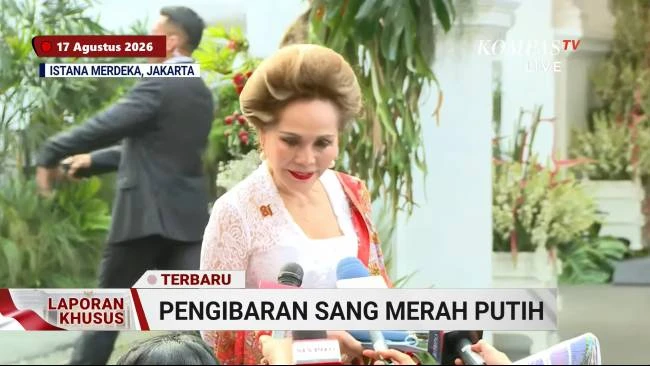
Ratna Sari Dewi Membagikan Kenangan Bersama Soekarno di Upacara HUT ke-81 RI di Istana - Berita...
The Importance of an Independent US Department of Justice: Understanding Todd Blanche's Remarks

Donald Trump orders Pentagon to scale back joint military exercises with South Korea, citing his...

Netizen tidak senang dengan komentar-komentar yang diberikan

BTS mungkin kembali mengikuti Grammy setelah rekanan mereka, Recording Academy, mengumumkan revisi...
BTS mungkin tidak akan mengubah keputusan untuk mengabaikan Grammy karena deadline pengiriman musik...
Update terbaru tentang keputusan BTS untuk tidak mengirimkan musik mereka untuk dijadikan nominee...
Pihak Recording Academy mengumumkan akan kembali meninju keputusan untuk memperkenalkan kategori...

Sangyeop Sangyeop mengumumkan rencananya untuk menikah dengan seorang non-celebrity, mengejutkan...