





Hawaiian Electric's Commitment to Restoring Power Throughout the State: A Comprehensive Update
Hawaiian Electric continues to prioritize statewide power restoration efforts in the aftermath of...

Illustrating farmers facing a dry season, the El Nino phenomenon can have a significant impact on water availability, agriculture, and the risk of drought in several regions.
JAKARTA, indoARTnews – When you hear the term El Nino, many people might only think of hotter-than-usual weather. However, this anticipated climate phenomenon can have far-reaching impacts, from droughts, agricultural disruptions, to increased wildfire risks in various areas.
The Meteorology, Climatology, and Geophysics Agency (BMKG) previously predicted that the 2026 dry season would be longer and drier than normal. This situation may be exacerbated by the emerging El Nino, which could reduce rainfall in numerous parts of Indonesia.
In simple terms, El Nino refers to the warming of the ocean surface in the central and eastern Pacific, affecting global weather patterns. For Indonesia, one of the most common impacts is reduced rainfall and increased air temperatures.
One of the most feared impacts is the increased risk of drought. With reduced rainfall over time, water reserves in reservoirs, rivers, and community sources may decline.
Some areas are even predicted to experience drought impacts in the middle of the year, especially during the peak of the dry season. BMKG also warns that some regions in Indonesia may experience a longer dry season than usual.
Agriculture stands out as one of the sectors most vulnerable to El Nino. Reduced water supplies can disrupt planting schedules and lower crop productivity.
In some regions, farmers are urged to hasten planting and use drought-resistant varieties. The government has also encouraged the optimal use of irrigation networks to minimize the risk of reduced food production.
If dry conditions persist, the risk of crop failure may rise, affecting food availability and commodity prices in the market.
Another impact to anticipate is the increased potential for forest and land fires. Dry vegetation makes fires more easily spread, particularly in areas with peatlands.
Historical data from previous El Nino periods show that prolonged dry seasons often lead to increased heatwaves and land fires, negatively impacting air quality.
In anticipation of potential El Nino impacts, experts advise that preparedness is not just the responsibility of the government. Communities can begin conserving water, maintaining their environment, and following official weather and climate updates.
BMKG advises the public to continue monitoring weather and climate forecasts, as El Nino's intensity may change in response to global climate developments.
Although this El Nino might not be an extreme phenomenon, it shows that climate shifts are no longer concerns for the distant future. Its effects can be felt directly in daily life, from water availability, agriculture, to public health.
Sources: BMKG, Reuters, and various 2026 climate publications.
The Impacts Beyond Hot Weather: What El Nino Means for Indonesian Communities,
Hawaiian Electric continues to prioritize statewide power restoration efforts in the aftermath of...

Hawaiian Electric crews have successfully restored power to nearly 180,000 customers, marking a...
Stay informed about Tropical Storm Lala's impact on Hawaii, with updates on warnings, advisories,...
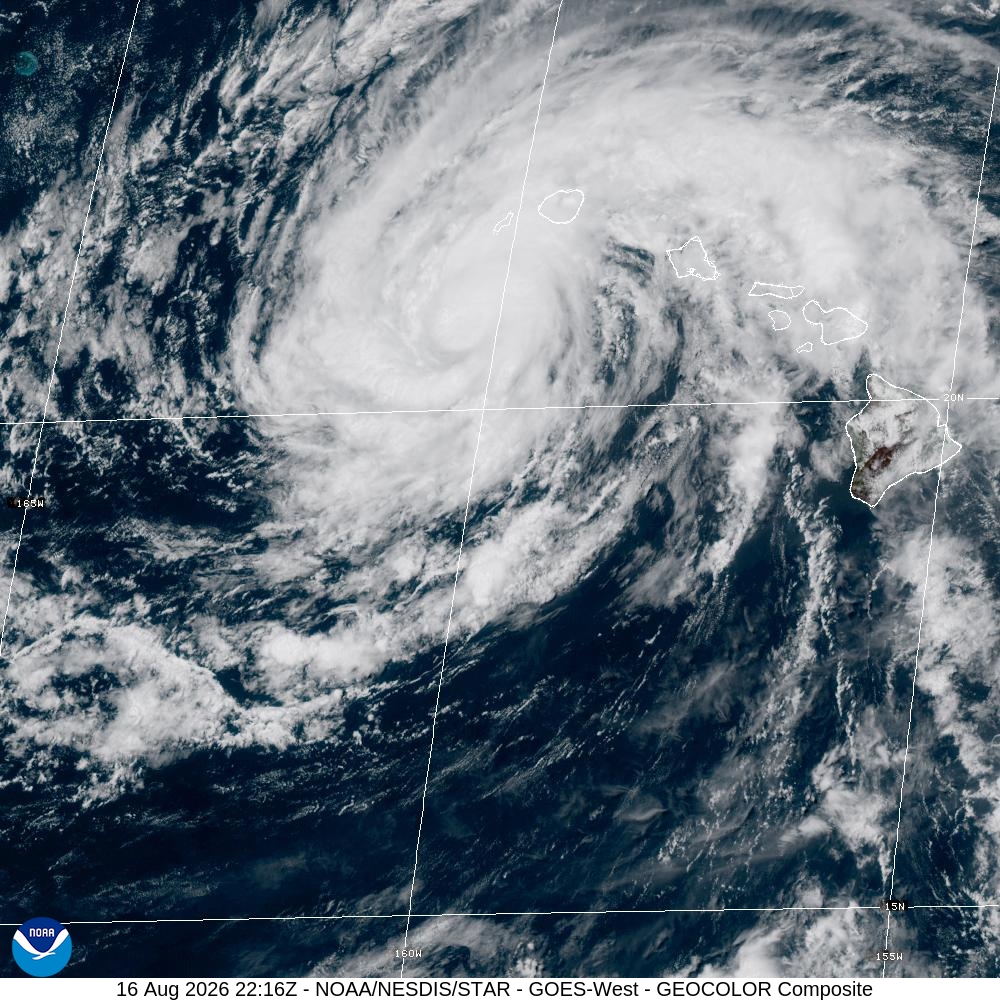
Tropical Storm Lala brought unprecedented rainfall and snowfall to Hawaii, raising questions about...
The Devastating Impact of Historic Floods in Indiana: Death Toll Continues to Rise
Flood Warnings Persist in Central Ohio, Communities Prepare for Rising Waters

Netizen tidak senang dengan komentar-komentar yang diberikan

BTS mungkin kembali mengikuti Grammy setelah rekanan mereka, Recording Academy, mengumumkan revisi...
BTS mungkin tidak akan mengubah keputusan untuk mengabaikan Grammy karena deadline pengiriman musik...
Update terbaru tentang keputusan BTS untuk tidak mengirimkan musik mereka untuk dijadikan nominee...
Pihak Recording Academy mengumumkan akan kembali meninju keputusan untuk memperkenalkan kategori...

Sangyeop Sangyeop mengumumkan rencananya untuk menikah dengan seorang non-celebrity, mengejutkan...