


Hawaiian Electric Provides Statewide Power Restoration Update
Hawaiian Electric has issued a comprehensive update on the status of power restoration across the...

The Super El Niño phenomenon is not just about extreme weather; it is also linked to social and ecological crises in coastal and island areas. Based on research by the National Research and Innovation Agency (BRIN), El Niño can trigger the upwelling phenomenon, which can increase fish productivity. However, this increase in fish productivity is not necessarily beneficial to coastal communities.
From a blue justice perspective, the question is not just about the increase in fish, but also about who has access to these resources, who benefits, and who is left behind. We must not assume that the sea will automatically save us from food crises caused by El Niño. Without fair governance, this phenomenon can lead to the exploitation of natural resources and the displacement of communities.
El Niño can strengthen the upwelling phenomenon in the southern part of Java to western Sumatra, leading to an increase in nutrient supply to the surface of the ocean and promoting the growth of phytoplankton as the base of the marine food chain. This, in turn, can increase the productivity of marine waters and the potential for fish resources. However, this increase is not automatically enjoyed by coastal communities.
According to Mida Saragih, Campaigner for Coastal and Marine Protection at WALHI, 'We urge the government to issue a rescue plan for island areas. Specifically, coastal and small island communities have limited access to water and food, making them more vulnerable to disasters. This vulnerability is often exacerbated by pseudo-solutions, such as geothermal projects in conservation areas or fisheries revitalization that destroys mangroves.'
Based on observations by NOAA and BRIN, El Niño can cause hotter and drier weather. However, it is essential to understand that the root cause of ecological disasters is the continued exploitation of natural resources in the name of development. The impact of El Niño, such as rising temperatures and drought, only worsens the already vulnerable conditions.
The latest forecast shows that El Niño can exacerbate drought, leading to crop failures and water crises. This raises concerns about a significant increase in global temperatures, with severe humanitarian consequences.
Currently, the sea surface temperature in the Pacific has risen by about 0.5°C above normal, an early sign of El Niño. In the coming months, this phenomenon is expected to strengthen and potentially become a 'Super El Niño.' NOAA estimates that the likelihood of its occurrence is 82% from May to July 2026 and 96% for the first half of 2027.
Several global climate models (NOAA, BoM, ECMWF) show the same trend, with the potential for a temperature increase of more than 1.5°C, possibly exceeding 2-3°C. If this happens, El Niño can make 2027 the hottest year on record.
WALHI emphasizes the need for a rescue plan for island areas, including the mapping of disaster-prone areas, water, and food crises, as well as the expansion of mangrove and coral reef rehabilitation integrated with regional development planning.
For more information, contact WALHI at Jln Tegal Parang Utara Nomor 14, Mampang Prapatan, Jakarta Selatan, email: [email protected], instagram: @walhi.nasional, or call (+628115501980).
What is El Niño, how often does it occur, and how long does it last? El Niño is a significant climate phenomenon that occurs due to the interaction between the ocean and atmosphere, particularly due to periodic warming of sea surface temperatures in the central to eastern Pacific Ocean near the equator.
Why is it essential to consider El Niño predictions? El Niño predictions are crucial because they help anticipate impacts such as floods and droughts, reducing losses. This information also supports planning in the water, energy, transportation sectors, and helps farmers and fishermen prepare for risks.
The potential Super El Niño event is more than just a matter of extreme weather; it also involves social and ecological crises in coastal and island areas. According to research by the National Research and Innovation Agency (BRIN), El Niño can trigger the upwelling phenomenon, potentially increasing fish productivity.
Hawaiian Electric has issued a comprehensive update on the status of power restoration across the...
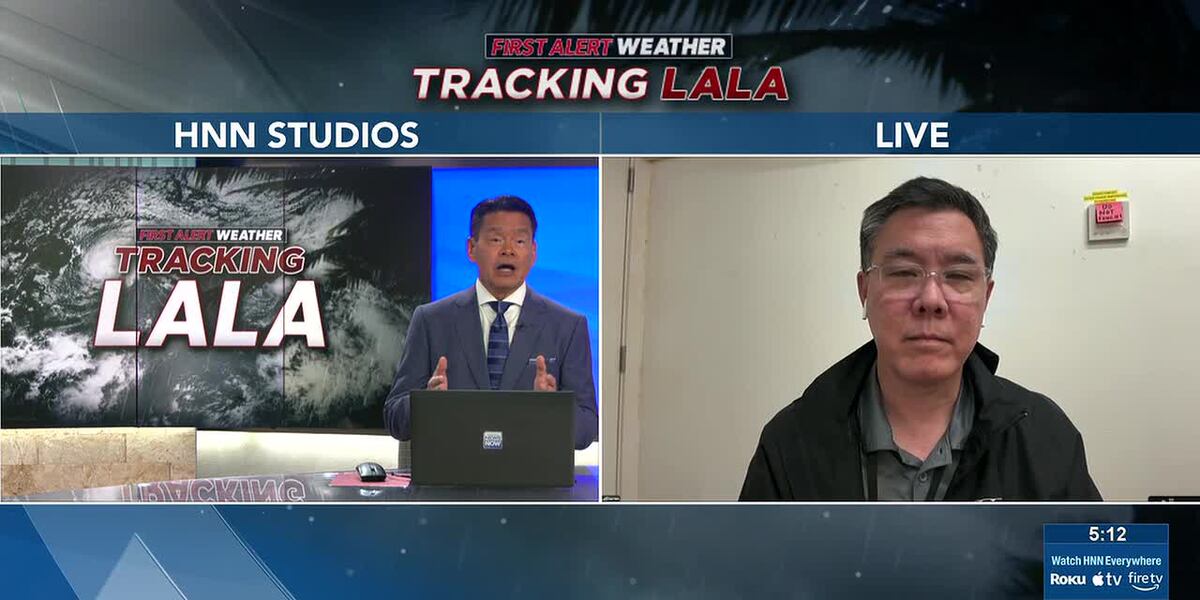
Darren Pai from Hawaiian Electric shares a critical 5 p.m. update on the ongoing power outage...

Hawaiian Electric Company is pushing towards a major 'green power' milestone, targeting nearly...
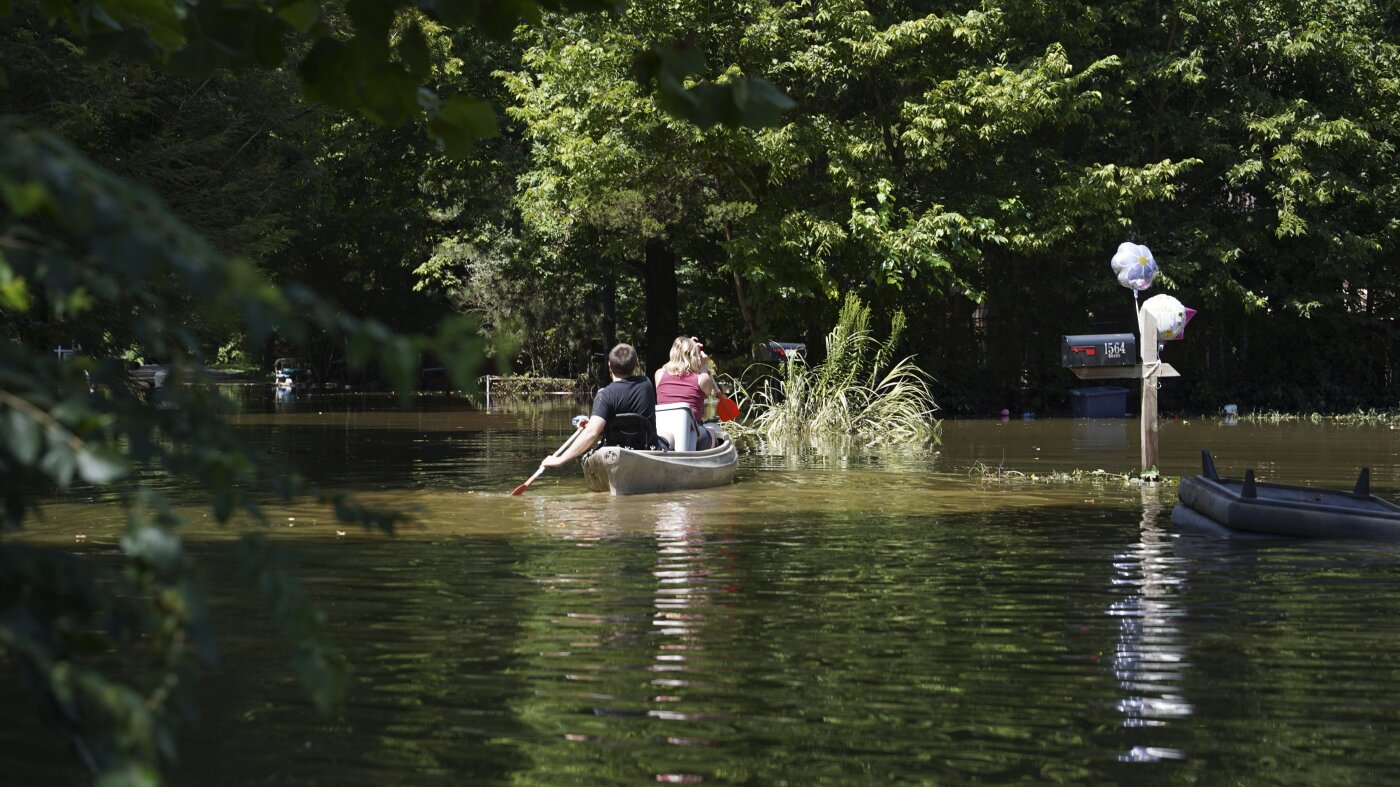
The floods that have been battering Indiana for days have left a trail of destruction and claiming...

Tropical Storm Lala made headlines by producing snow on the summit of Mauna Kea, a rare and...

Russia celebrates its rich agricultural heritage at the annual Ploughing Championship, a testament...

Netizen tidak senang dengan komentar-komentar yang diberikan

BTS mungkin kembali mengikuti Grammy setelah rekanan mereka, Recording Academy, mengumumkan revisi...
BTS mungkin tidak akan mengubah keputusan untuk mengabaikan Grammy karena deadline pengiriman musik...
Update terbaru tentang keputusan BTS untuk tidak mengirimkan musik mereka untuk dijadikan nominee...
Pihak Recording Academy mengumumkan akan kembali meninju keputusan untuk memperkenalkan kategori...

Sangyeop Sangyeop mengumumkan rencananya untuk menikah dengan seorang non-celebrity, mengejutkan...