





Pemerintah Kabupaten Aceh Tamiang: Bumi Muda Sedia Pulih dan Bangkit
Pemerintah Kabupaten Aceh Tamiang: Bumi Muda Sedia Pulih dan Bangkit — Informasi Terbaru

Some major TV networks have decided not to air Donald Trump's speech live, according to Axios, sparking debate about media responsibility and political influence. This decision has significant implications for how political events are covered in the future and raises questions about the role of media in shaping public opinion. The move is seen as a response to concerns about the potential impact of Trump's speeches on the political climate and the spread of misinformation. By choosing not to air the speech live, these networks are taking a stand against what they perceive as inflammatory rhetoric and a potential threat to democratic values. Furthermore, this decision reflects a broader shift in the media landscape, where networks are becoming more selective about the content they broadcast, prioritizing fact-based reporting over sensationalism.
The decision by some TV networks not to air Trump's speech live has been met with both praise and criticism, highlighting the complex and often contentious nature of political discourse in the United States. On one hand, supporters of the decision argue that it is a necessary measure to prevent the spread of misinformation and to protect the integrity of the democratic process. They point out that Trump's speeches often contain factual inaccuracies and divisive rhetoric, which can have a corrosive effect on public discourse. On the other hand, critics argue that the decision constitutes an attack on free speech and an attempt to silence a political leader, even if his views are unpopular. They contend that the media has a responsibility to provide a platform for all voices, regardless of their political leaning, and that censorship is not an effective way to address concerns about misinformation. Additionally, this controversy underscores the challenges faced by media outlets in balancing their commitment to free speech with their responsibility to ensure that the information they broadcast is accurate and trustworthy.
The background to this controversy is rooted in the highly polarized political environment in the United States, where debates over media bias, free speech, and political correctness have become increasingly heated. The role of the media in shaping public opinion and influencing political outcomes has always been significant, but in the era of social media and 24-hour news cycles, this influence has become even more pronounced. As a result, the decisions made by TV networks about what to broadcast and how to frame their coverage can have far-reaching consequences, not just for the political landscape but also for the social fabric of the country. The decision not to air Trump's speech live is a manifestation of this broader trend, where media outlets are grappling with their role in the democratic process and are seeking to navigate the complex ethical and journalistic issues that arise from covering controversial political figures. Moreover, this trend highlights the evolving nature of the media industry, where traditional models of broadcasting are being challenged by new technologies and changing audience preferences.
An analysis of the implications of this decision reveals a complex interplay of factors, including political, social, and economic considerations. From a political perspective, the decision can be seen as an attempt to exert influence over the political narrative and to shape public opinion in a way that is adverse to Trump's interests. This is particularly significant in the context of upcoming elections, where the ability to control the narrative and dictate the terms of the debate can be a crucial factor in determining outcomes. From a social perspective, the decision reflects growing concerns about the impact of divisive rhetoric on social cohesion and the potential for political speeches to incite violence or hatred. The decision also has economic implications, as it may affect viewership numbers and advertising revenue for the networks involved. By choosing not to air the speech, these networks may be sacrificing short-term gains in viewership for a long-term strategy that prioritizes credibility and ethical responsibility. Furthermore, this decision may have implications for the future of political broadcasting, as it sets a precedent for how media outlets approach controversial political figures and events.
The future outlook for how political speeches are covered by the media is uncertain and will likely be influenced by a variety of factors, including technological advancements, changes in consumer behavior, and shifts in the political landscape. As social media platforms become increasingly important sources of news and information, the traditional role of TV networks as gatekeepers of political discourse may be eroded. This could lead to a more fragmented media environment, where different platforms cater to different political persuasions, further exacerbating polarization. On the other hand, the controversy surrounding Trump's speeches may prompt a reevaluation of media ethics and a renewed commitment to fact-based reporting, potentially leading to a more informed and engaged citizenry. The implications of these trends for democracy and political discourse are profound, underscoring the need for a nuanced understanding of the complex interplay between media, politics, and society. In addition, the future of political broadcasting will likely be shaped by the ongoing debate about the role of media in the democratic process and the need for media outlets to balance their commitment to free speech with their responsibility to ensure the accuracy and trustworthiness of the information they broadcast.
Notable quotes from media figures and political analysts highlight the depth of feeling on this issue and the different perspectives that are at play. Some have praised the decision as a brave stand against the manipulation of public opinion, while others have condemned it as an overreach of media power and an attempt to stifle free speech. The intensity of these debates underscores the high stakes involved in the media's coverage of political events and the significant impact that such decisions can have on the political process. As the media landscape continues to evolve, it is likely that these debates will only intensify, reflecting the ongoing challenges faced by media outlets in navigating the complex and often contentious world of political reporting. Furthermore, the quotes from media figures and political analysts provide valuable insights into the reasoning behind the decision and the potential implications for the future of political broadcasting. By examining these quotes, it is possible to gain a deeper understanding of the complex issues at play and the ways in which different stakeholders are responding to the challenges posed by the decision.
In conclusion, the decision by some TV networks not to air Trump's speech live is a significant development in the ongoing saga of political reporting in the United States. It reflects a broader shift in the media landscape, where networks are becoming more selective about the content they broadcast and are prioritizing fact-based reporting over sensationalism. The implications of this decision are far-reaching, touching on issues of free speech, media bias, and the role of the media in shaping public opinion. As the media continues to navigate these complex issues, it is clear that the future of political broadcasting will be shaped by a variety of factors, including technological advancements, changes in consumer behavior, and shifts in the political landscape. By examining the background, key facts, analysis, implications, and future outlook of this decision, it is possible to gain a deeper understanding of the complex issues at play and the ways in which different stakeholders are responding to the challenges posed by the decision. Ultimately, the decision by some TV networks not to air Trump's speech live highlights the need for a nuanced understanding of the complex interplay between media, politics, and society, and underscores the importance of media outlets balancing their commitment to free speech with their responsibility to ensure the accuracy and trustworthiness of the information they broadcast.
Some major TV networks have decided not to air Donald Trump's speech live, according to Axios, sparking debate about media responsibility and political influence
Pemerintah Kabupaten Aceh Tamiang: Bumi Muda Sedia Pulih dan Bangkit — Informasi Terbaru

Acara 600 ribu porsi kulinier gratis di Monas, menghidupkan semangat kebangsaan dan memperkuat rasa...

Hayden Panettiere, bintang televisi Amerika yang terkenal dengan perannya dalam serial 'Heroes' dan...
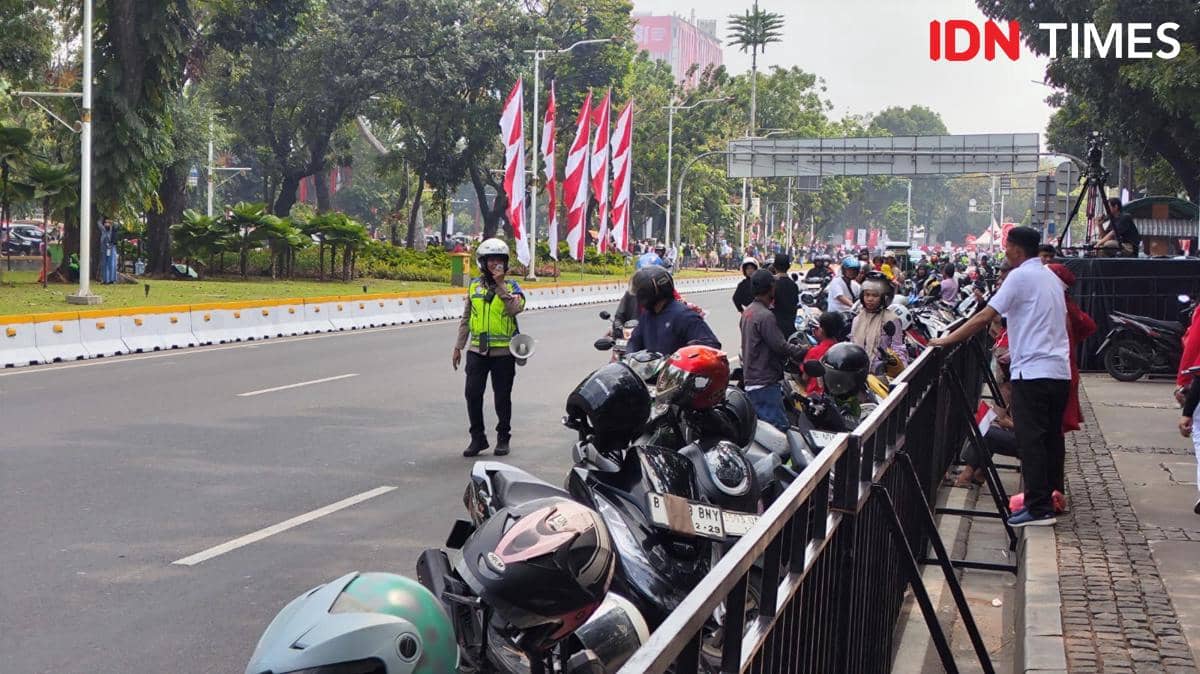
Jalan Merdeka Barat Dekat Istana Merdeka Jadi Parkir Liar Warga yang ke Monumen Nasional IDN Times

Kopassus Mengudara: Aksi Terjun Payung Terunggul di Istana Merdeka - Media Indonesia

Watch the live action of Tijuana vs. Cruz Azul, all the latest news, analysis, and match scores...

Netizen tidak senang dengan komentar-komentar yang diberikan

BTS mungkin kembali mengikuti Grammy setelah rekanan mereka, Recording Academy, mengumumkan revisi...
BTS mungkin tidak akan mengubah keputusan untuk mengabaikan Grammy karena deadline pengiriman musik...
Update terbaru tentang keputusan BTS untuk tidak mengirimkan musik mereka untuk dijadikan nominee...
Pihak Recording Academy mengumumkan akan kembali meninju keputusan untuk memperkenalkan kategori...

Sangyeop Sangyeop mengumumkan rencananya untuk menikah dengan seorang non-celebrity, mengejutkan...