





Hawaiian Electric Provides Statewide Power Restoration Update
Hawaiian Electric has issued a comprehensive update on the status of power restoration across the...

On the day of Venezuela's national holiday, commemorating the 1821 Battle of Carabobo, two powerful earthquakes shook the nation, leaving a trail of destruction and loss of life in their wake. The first earthquake, measuring 7.2-magnitude, was followed just 39 seconds later by a stronger 7.5-magnitude quake, according to the United States Geological Survey (USGS). The epicenters of the quakes were located in the state of Yaracuy, approximately 80 kilometers south of the capital city, Caracas.
The severity and speed of the quakes have sent shockwaves across the country, with buildings collapsing and residents rushing onto the streets in panic. The acting president, Delcy Rodríguez, has declared a state of emergency, appointing a general to oversee the emergency response efforts. The USGS has warned of a high likelihood of extensive damage and casualties, with a 44% chance of over 10,000 fatalities and a 30% chance of over 100,000. The agency has also cautioned of a significant risk of landslides and liquefaction on the ground.
The timing of the quakes coincided with the national holiday, when more people than usual would have been at home, making the disaster even more devastating. Multiple Venezuelan states have been affected, with the worst-hit areas being the neighborhoods of Los Palos Grandes and Altamira in Caracas. The 1967 earthquake, which struck the Venezuelan capital, killing 200 people and destroying buildings, is a stark reminder of the country's vulnerability to seismic events.
According to Nicole Kolster, a journalist and contributor to BBC Mundo, the 7.2-magnitude earthquake was the strongest she had ever felt. She described the shaking as intense, with windows moving and doors rattling. In a bid to protect herself, Kolster took shelter between a stone wall and a door, a decision she believes saved her life. Her experience is a testament to the destructive power of earthquakes and the importance of preparedness.
The response to the disaster has been swift, with US President Donald Trump offering assistance to Venezuela. However, the question remains whether this aid will be enough to alleviate the suffering of the affected communities. As Venezuela struggles to cope with the aftermath of the earthquakes, one thing is clear: the country needs to invest in disaster preparedness and infrastructure to mitigate the impact of such events in the future.
The earthquakes have also raised questions about the vulnerability of Venezuela's infrastructure and the government's ability to respond to emergencies. The country's economic crisis and a brain drain of skilled professionals have weakened its capacity to cope with such disasters. The international community must come together to support Venezuela in its time of need, providing aid and technical assistance to help the country rebuild and recover.
The long-term impact of the earthquakes on Venezuela will be significant, and it remains to be seen how the government will address the issue of rebuilding and recovery. In the meantime, the international community must remain vigilant, providing support and assistance to the affected communities. As the people of Venezuela begin to pick up the pieces, one thing is certain: the road to recovery will be long and challenging, but with unity and determination, they will emerge stronger and more resilient than ever.
As the world watches this unfolding crisis, it is essential to acknowledge the human cost of the earthquakes and the long-term consequences they will have on the people of Venezuela. This disaster is a wake-up call for the country, a reminder of the importance of preparedness and infrastructure development. The international community must come together to support Venezuela, providing aid and technical assistance to help the country rebuild and recover.
A 7.2-magnitude and a 7.5-magnitude earthquake struck near Caracas, causing widespread destruction and prompting a state of emergency.
Hawaiian Electric has issued a comprehensive update on the status of power restoration across the...
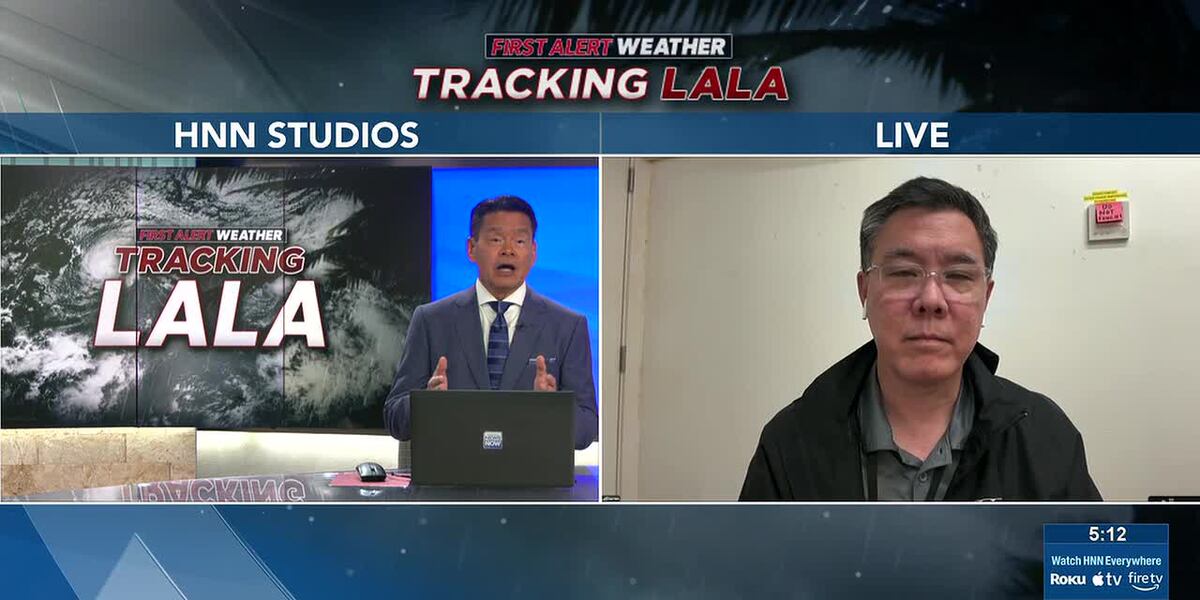
Darren Pai from Hawaiian Electric shares a critical 5 p.m. update on the ongoing power outage...

A massive fire broke out in southwestern Dallas, emitting large plumes of black smoke that could be...

Hawaiian Electric Company is pushing towards a major 'green power' milestone, targeting nearly...
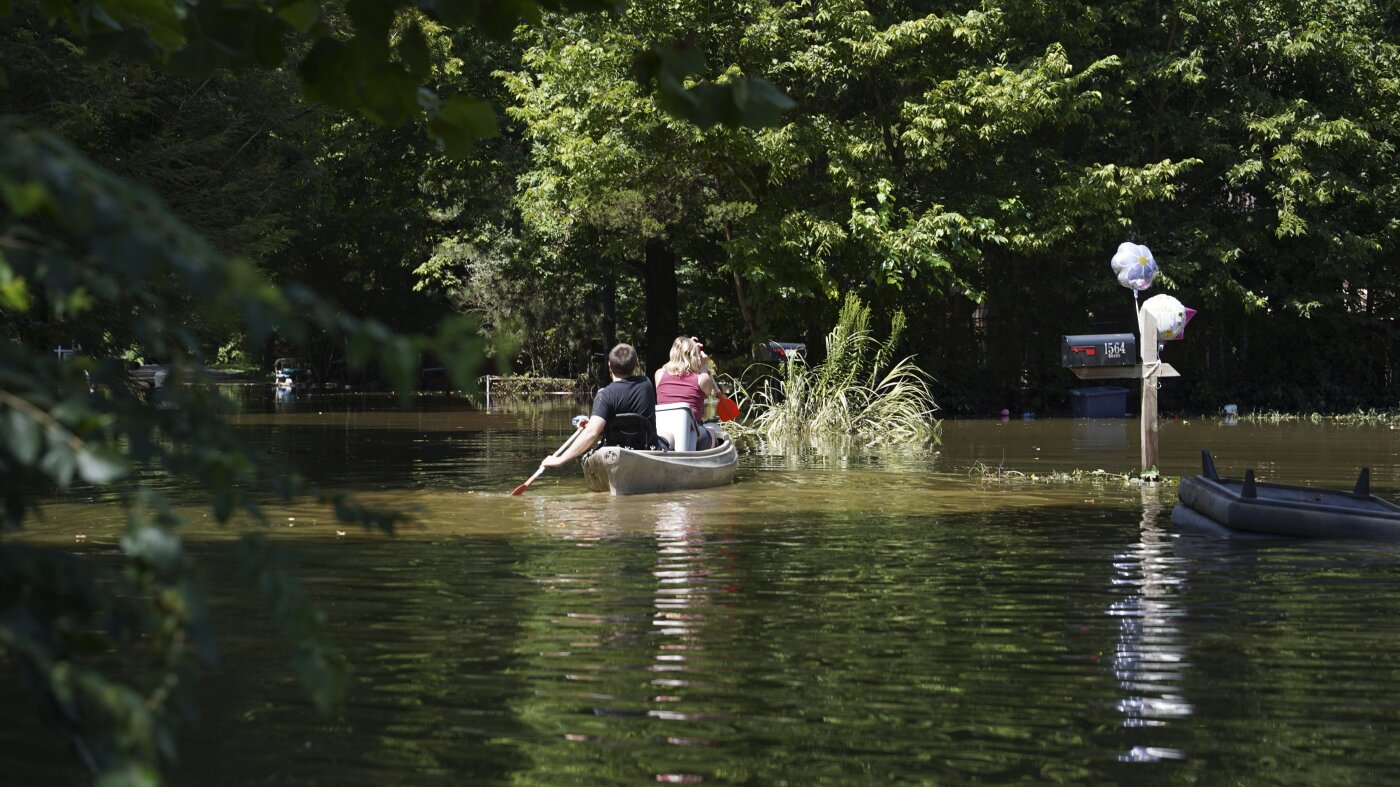
The floods that have been battering Indiana for days have left a trail of destruction and claiming...
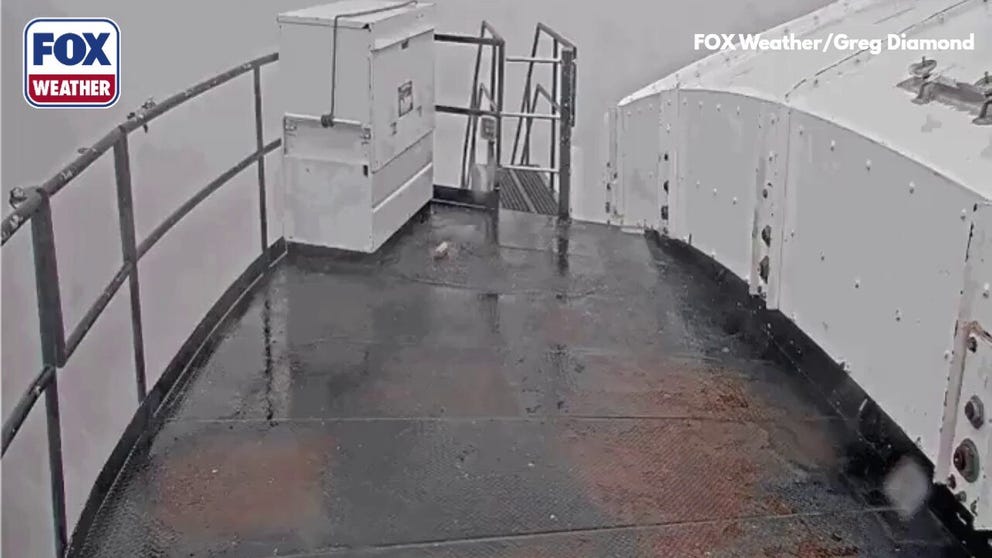
Tropical Storm Lala made headlines by producing snow on the summit of Mauna Kea, a rare and...

Netizen tidak senang dengan komentar-komentar yang diberikan

BTS mungkin kembali mengikuti Grammy setelah rekanan mereka, Recording Academy, mengumumkan revisi...
BTS mungkin tidak akan mengubah keputusan untuk mengabaikan Grammy karena deadline pengiriman musik...
Update terbaru tentang keputusan BTS untuk tidak mengirimkan musik mereka untuk dijadikan nominee...
Pihak Recording Academy mengumumkan akan kembali meninju keputusan untuk memperkenalkan kategori...

Sangyeop Sangyeop mengumumkan rencananya untuk menikah dengan seorang non-celebrity, mengejutkan...