




The Independence of the US Department of Justice: Todd Blanche's Uncertain Pledge
The Importance of an Independent US Department of Justice: Understanding Todd Blanche's Remarks

Judging by his new book, 'Communion', JD Vance seems to be on a mission to rebrand himself as a devout Catholic, but a closer examination of his writings and public appearances reveals a more complex and somewhat contradictory figure. Vance's conversion to Catholicism in 2019 was a significant event in his life, one that he has chosen to share with the world through his book. However, his account of this spiritual journey raises more questions than it answers.
Vance's background as an evangelical Christian is well-known, and his transition to Catholicism has been seen by some as a strategic move to broaden his appeal to conservative voters. His book, therefore, must be viewed through the lens of both his personal faith and his political ambitions. The fact that he has been using his book tour to pitch himself as a potential 2028 presidential candidate adds another layer of complexity to the narrative.
The Pew Research Center's Religious Landscape Study provides context for Vance's conversion, noting that 35% of American adults were raised in a different religious tradition than the one they practice. This statistic underscores the fluidity of religious affiliation in the United States and suggests that Vance's journey is not unique. However, what is noteworthy about Vance's case is his rapid embrace of Catholic theology and his willingness to lecture others on its tenets, despite his relatively short time within the faith.
One of the most striking aspects of 'Communion' is Vance's selective interpretation of Catholic teachings. He enthusiastically embraces the church's stance on abortion, a position that aligns with his conservative political views. However, his understanding of other key issues, such as economics and immigration, reveals a superficial grasp of Catholic social doctrine. This selective approach to Catholicism is reflective of a broader trend among some conservative Catholics who pick and choose which teachings to emphasize based on their political agendas.
Vance's interaction with Catholic leaders, including his meeting with Vatican officials, has been characterized by a mix of deference and ignorance. His incredulity at the Vatican's encouragement to treat migrants humanely, despite acknowledging the right of the United States to control its borders, highlights a profound misunderstanding of Catholic social teaching. The church's commitment to the humane treatment of migrants is rooted in scripture and has been consistently reiterated by Pope Francis, making Vance's confusion all the more surprising.
The book also offers insights into Vance's personal life, particularly his relationship with his wife, Usha, who is Hindu. Vance's love for his wife is genuinely expressed, and their story is one of the more compelling aspects of the book. However, his public wish for her to convert to Christianity raises questions about the sincerity of his desire, given the potential political implications of her religious affiliation.
In the end, 'Communion' presents a portrait of JD Vance as a man whose spiritual journey is deeply intertwined with his political ambitions. While the book may serve its purpose in rebranding Vance as a devout Catholic, it also lays bare the tensions between his faith and his political ideology. As the country looks to the future and the potential candidates for the 2028 presidential election, Vance's book offers a nuanced, albeit flawed, exploration of the complex interplay between religion and politics in America.
Anthea Butler, a professor of religious studies and Africana studies at the University of Pennsylvania, has offered critical insights into Vance's religious and political posturing, highlighting the need for a more nuanced understanding of the intersection of faith and politics in public life.
The ongoing debate about the role of religion in politics, particularly in the context of conservative Catholicism, will undoubtedly continue. Vance's book and his public persona are merely the latest iterations in this discussion, challenging readers to think critically about the complex relationships between faith, identity, and political ideology.
Ultimately, 'Communion' is a book that will appeal to those interested in the intersection of religion and politics, as well as anyone following JD Vance's political career. While it may not provide all the answers, it certainly raises important questions about the nature of faith, identity, and public service in contemporary America.
The future of American politics, especially as it pertains to the role of religion, remains uncertain. What is clear, however, is that books like 'Communion' will continue to spark necessary conversations about these issues, encouraging readers to engage with the complexities of faith and politics in a more thoughtful and informed manner.
A deep dive into JD Vance's book 'Communion', exploring the intersection of faith and politics in his life and public persona.



The Importance of an Independent US Department of Justice: Understanding Todd Blanche's Remarks
Donald Trump orders Pentagon to scale back joint military exercises with South Korea, citing his...
Representative Nancy Mace embarks on a new journey, unveiling her full sleeves of long-concealed...
The decision to cut back on military drills with South Korea has significant implications for...
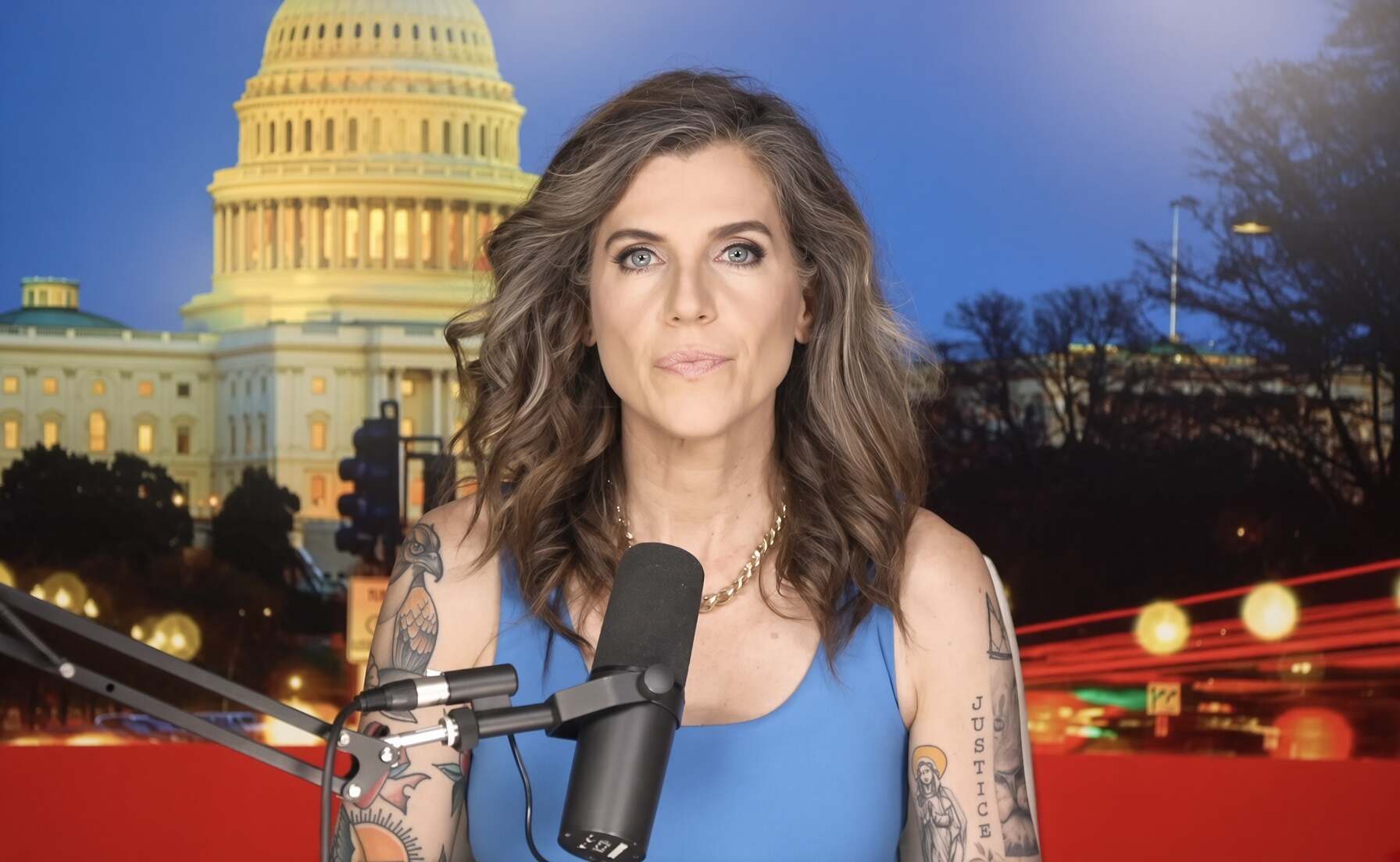
FITSNews reports on Nancy Mace's transition from outgoing congresswoman to online talk show host,...
Trump directs Hegseth to scale back joint military exercises with South Korea Politico

Netizen tidak senang dengan komentar-komentar yang diberikan

BTS mungkin kembali mengikuti Grammy setelah rekanan mereka, Recording Academy, mengumumkan revisi...
BTS mungkin tidak akan mengubah keputusan untuk mengabaikan Grammy karena deadline pengiriman musik...
Update terbaru tentang keputusan BTS untuk tidak mengirimkan musik mereka untuk dijadikan nominee...
Pihak Recording Academy mengumumkan akan kembali meninju keputusan untuk memperkenalkan kategori...

Sangyeop Sangyeop mengumumkan rencananya untuk menikah dengan seorang non-celebrity, mengejutkan...