



Major Ice Cream Brand Files for Chapter 11 Bankruptcy After Trademark Infringement Lawsuit
A major ice cream brand has filed for Chapter 11 bankruptcy protection following a trademark...
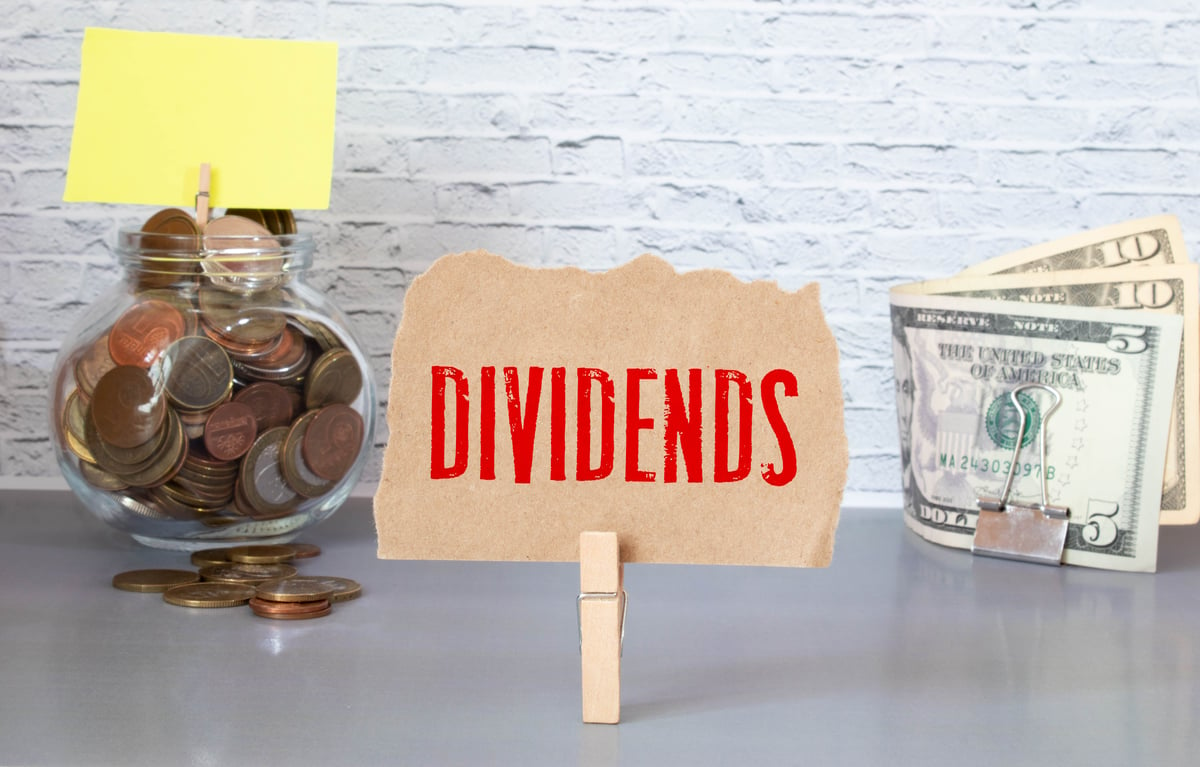
The S&P 500, a benchmark for the US stock market, has been a subject of interest for investors seeking to understand the components of its total return. At its core, the total return of an investment is comprised of two fundamental components: price return and dividend return. The price return refers to the change in the market price of the stock, while the dividend return is the portion of the return that comes from the dividends paid out to shareholders. When these two components are combined, they yield the total return. Understanding the interplay between these components is crucial for investors, as it can significantly impact their investment strategies and expectations.
Historically, dividends have played a substantial role in the total return of the S&P 500, contributing roughly one-third of the index's total return over the past century. However, when examining this contribution on a decade-by-decade basis, it becomes apparent that the role of dividends has fluctuated significantly. For instance, in the early decades of the 20th century, dividends constituted a much larger portion of the total return compared to recent years. This shift can be attributed to various factors, including changes in investor preferences, the emergence of growth stocks, and the increasing practice of share buybacks as an alternative method for companies to return value to shareholders.
The trend of diminishing dividend yields, particularly pronounced from the 1990s onwards, can be partly explained by the rise of tech companies and their tendency to reinvest earnings rather than distribute them as dividends. This shift has led to a landscape where large-cap stocks, especially those in the tech sector, often yield less than 2%. Despite this, dividends remain a vital component of the total return, especially during periods of market downturn. In bear markets, dividends can provide a cushion, offering investors a source of return even when stock prices are declining. This aspect of dividend investing underscores its importance, even in an environment where price appreciation is the primary driver of returns.
The data illustrating the annualized price, dividend, and total returns for the S&P 500 over nearly a century paints a detailed picture of how the contribution of dividends to total returns has evolved. Starting from the early 20th century and moving forward, it's clear that while dividends were once a dominant component, their relative importance has waned in recent decades. This change reflects broader shifts in corporate strategy and investor behavior. For example, the increased focus on growth and the use of share buybacks as a means to reduce the number of outstanding shares and thereby increase earnings per share have altered the dividend landscape. Despite these shifts, the fundamental appeal of dividend-paying stocks remains, particularly for investors seeking a regular income stream or looking to navigate volatile markets.
Looking forward, the future of dividend investing is likely to be influenced by a variety of factors, including interest rates, economic growth, and the overall health of the stock market. In a low-interest-rate environment, dividend-paying stocks can become more attractive, as they offer a yield that is competitive with or superior to that of bonds and other fixed-income investments. Moreover, in times of economic uncertainty, investors may prefer the stability that dividends provide. However, the sustainability of dividend payments is also a critical consideration. Companies must balance the need to reward shareholders with the necessity of reinvesting in their businesses to drive future growth.
The analysis of the S&P 500's return, parsed by decade, offers valuable insights for investors. It highlights the importance of understanding the historical context of dividend payments and price appreciation in informing investment decisions. Furthermore, it underscores the need for a balanced approach, one that considers both the potential for long-term growth and the benefits of regular dividend income. As investors navigate the complexities of the stock market, recognizing the role of dividends in shaping the total return of their investments is essential. This awareness can help guide portfolio construction and management, ensuring that investment strategies are aligned with individual financial goals and risk tolerances.
In conclusion, the story of the S&P 500's returns is multifaceted, with dividends playing a role that has varied significantly over time. While the current yield on the S&P 500 may be relatively low, the historical context and future implications of dividend investing are profound. For investors seeking to maximize their returns and manage risk, a deep understanding of the interplay between dividends and price appreciation is indispensable. This knowledge, combined with a long-term perspective and a diversified investment approach, can help investors unlock the full potential of the stock market and navigate its inherent uncertainties with confidence.
Ultimately, the S&P 500 serves as a barometer of the US stock market, and its performance is closely watched by investors around the world. The index's total return, comprising both price return and dividend return, offers a comprehensive view of the market's health and prospects. As investors look to the future, understanding the nuances of the S&P 500's returns, including the contribution of dividends, will remain essential for making informed investment decisions. This understanding not only reflects a grasp of historical trends but also an appreciation for the evolving landscape of corporate finance, investor preferences, and the broader economic environment.
For those interested in delving deeper into the world of dividend investing and the S&P 500, there is a wealth of information available. From historical analyses to forward-looking projections, the resources are numerous. Whether one is a seasoned investor or just beginning to explore the possibilities of the stock market, the story of the S&P 500's returns offers valuable lessons and insights. It is a story of growth, of change, and of the ongoing quest for investment returns in an ever-evolving financial landscape. As such, it serves as a compelling reminder of the importance of education, strategy, and patience in the pursuit of long-term investment success.
Delving into the historical components of the S&P 500's total return, separating the impact of dividends from price appreciation across each decade
A major ice cream brand has filed for Chapter 11 bankruptcy protection following a trademark...

3 Top Semiconductor Stocks to Buy Ahead of Earnings, According to Analysts TipRanks Stock Market...
Discover why NVDA, MRVL, and AVGO are top picks for investors ahead of earnings, according to...

Reddit Stock Jumps on S&P 500 Inclusion Schaeffer's Investment Research

Reddit's decision to join the S&P 500 has significant implications for the future of Wall Street...
Barron's investigates the forces driving recent market fluctuations through the lens of standout...

Netizen tidak senang dengan komentar-komentar yang diberikan

BTS mungkin kembali mengikuti Grammy setelah rekanan mereka, Recording Academy, mengumumkan revisi...
BTS mungkin tidak akan mengubah keputusan untuk mengabaikan Grammy karena deadline pengiriman musik...
Update terbaru tentang keputusan BTS untuk tidak mengirimkan musik mereka untuk dijadikan nominee...
Pihak Recording Academy mengumumkan akan kembali meninju keputusan untuk memperkenalkan kategori...

Sangyeop Sangyeop mengumumkan rencananya untuk menikah dengan seorang non-celebrity, mengejutkan...