




Hawaiian Electric Provides Statewide Power Restoration Update
Hawaiian Electric has issued a comprehensive update on the status of power restoration across the...

The recent surge in wildfire smoke drifting into the United States from Canada has sparked a heated debate between the two nations, with US President Trump taking a firm stance on the issue. Trump has publicly stated that the US will hold Canada responsible for the wildfire smoke, pointing to what he believes is a lack of effective forest management north of the border. This development comes as many parts of the US, particularly in the northern states, have been experiencing poor air quality due to the smoke. The situation has raised concerns among residents, environmental groups, and government officials alike, prompting a closer look at the forest management practices in Canada and their impact on neighboring countries. Furthermore, the issue highlights the complexities of international environmental agreements and the challenges of managing shared natural resources. The ongoing crisis has also sparked discussions about climate change and its role in exacerbating wildfires, as well as the need for more collaborative and sustainable approaches to forest conservation.
At the heart of the dispute is the question of who is responsible for the wildfires and the resulting smoke. Trump's administration has been vocal about the need for Canada to step up its forest management efforts, suggesting that more could be done to prevent such large-scale fires. Canadian officials, on the other hand, have argued that the situation is more complex, involving factors such as climate change, drought, and the sheer vastness of Canada's forested areas. They also point out that the US itself has experienced significant wildfires in recent years, underscoring the need for a bilateral approach to addressing the issue. The exchange between the two nations reflects a deeper tension in their relationship, with environmental policy being just one of several areas where they have found themselves at odds. Despite these challenges, there is a growing recognition of the importance of cooperation in managing transboundary environmental issues, given the shared ecosystems and the global nature of environmental challenges.
When examining the background of this issue, it becomes clear that forest management in Canada is a multifaceted challenge. The country's forests are not only vast but also play a critical role in its economy, particularly in the timber and tourism sectors. Balancing the need to preserve these natural resources with the demands of economic development is a delicate task. Canadian authorities have implemented various forest management strategies, including reforestation programs and regulations aimed at preventing wildfires. However, the scale and complexity of managing such extensive forested areas mean that there is always room for improvement. The feedback from the US regarding the inadequacy of these measures has prompted a review of current practices, with the aim of identifying areas for enhancement. This reflective process is crucial, as it may lead to more effective strategies for mitigating the risk of future wildfires and their cross-border impacts.
The implications of this situation extend beyond the immediate concerns of air quality and forest health. They touch on broader themes of international diplomacy, environmental stewardship, and the economic interdependencies between nations. The call for Canada to assume greater responsibility for its forest management practices resonates with global discussions about environmental accountability and the need for collective action to address climate change. As the world grapples with the challenges posed by rising temperatures, more frequent natural disasters, and the degradation of ecosystems, the importance of cooperation and shared responsibility cannot be overstated. The US-Canada dynamic on this issue serves as a microcosm for these larger conversations, highlighting both the tensions that can arise when environmental policies diverge and the potential for collaboration in pursuit of common goals. Moving forward, it will be essential for both countries to engage in constructive dialogue, leveraging their shared interests in environmental protection to find mutually beneficial solutions.
Looking to the future, the outlook for US-Canada relations on environmental issues is nuanced. While the current disagreements over wildfire smoke and forest management present challenges, they also offer opportunities for growth and cooperation. Both nations have a vested interest in protecting their natural resources and in mitigating the impacts of climate change. By working together, they can pool their expertise, resources, and experiences to develop more effective strategies for managing forests, preventing wildfires, and enhancing air quality. This collaborative approach could not only improve the environmental outcomes in both countries but also serve as a model for other nations facing similar challenges. Moreover, fostering a spirit of cooperation on environmental issues could have positive spill-over effects in other areas of the US-Canada relationship, contributing to a more stable and constructive partnership. As global leaders in environmental policy and practice, the US and Canada have the potential to set a powerful example for international cooperation on environmental challenges, starting with the shared concern of managing wildfire risks and protecting air quality.
The analysis of this situation underscores the complexity of environmental governance in the context of international relations. It highlights the interplay between national sovereignty, global environmental challenges, and the need for collective action. The fact that wildfire smoke can so easily cross national borders serves as a stark reminder of the shared nature of environmental resources and the consequences of environmental degradation. In addressing these challenges, nations must balance their domestic priorities with their international responsibilities, seeking solutions that are both locally effective and globally sustainable. The path forward for the US and Canada will involve navigating these complexities, engaging in open dialogue, and pursuing collaborative initiatives that reflect their mutual interests in environmental protection and conservation. Through this process, they can work towards a future where the risks associated with wildfires and environmental degradation are mitigated, and the benefits of cooperative environmental stewardship are fully realized.
Ultimately, the dispute over wildfire smoke and forest management between the US and Canada is a symptom of a larger set of environmental and diplomatic challenges. Resolving these issues will require a deep understanding of the complex factors at play, a willingness to engage in constructive dialogue, and a commitment to finding solutions that serve the interests of both nations and the global community. As the world moves forward in the face of escalating environmental pressures, the importance of international cooperation, shared responsibility, and collaborative problem-solving cannot be overstated. The US and Canada, as close allies and significant environmental stakeholders, have a critical role to play in this effort, and their approach to addressing the challenges posed by wildfire smoke and forest management will be closely watched as a litmus test for their ability to work together on pressing global issues.
US President Trump addresses the issue of wildfire smoke from Canada, citing inadequate forest management as the root cause and vowing to hold Canada responsible
Hawaiian Electric has issued a comprehensive update on the status of power restoration across the...
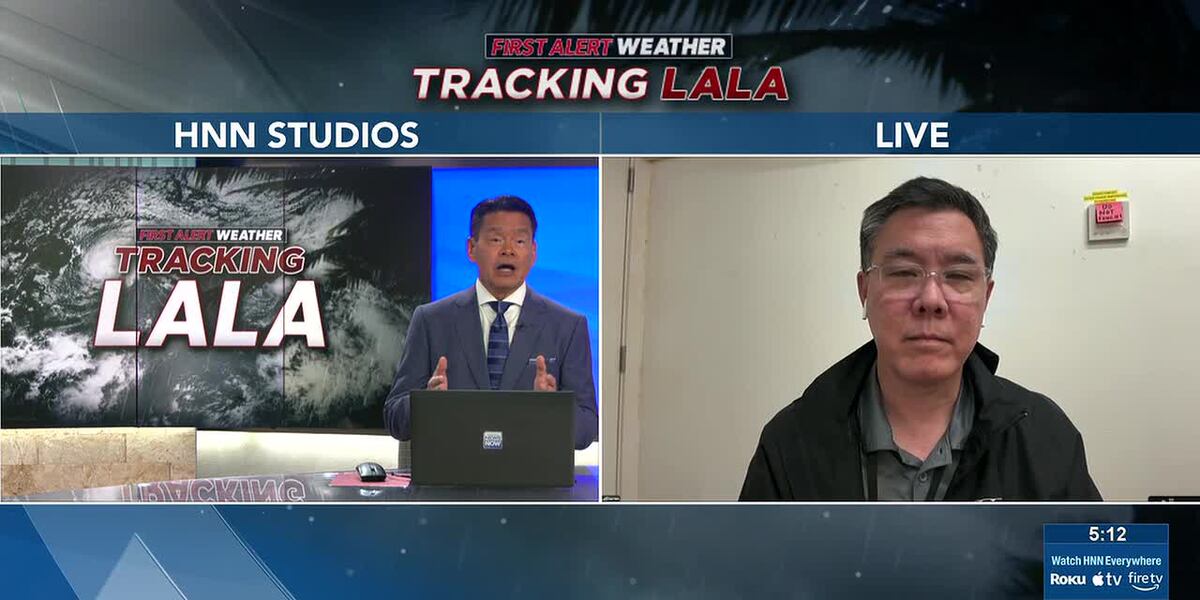
Darren Pai from Hawaiian Electric shares a critical 5 p.m. update on the ongoing power outage...

The decision to cut back on military drills with South Korea has significant implications for...
Trump directs Hegseth to scale back joint military exercises with South Korea Politico
The decision to reduce US joint military exercises in South Korea has significant implications for...

Hawaiian Electric Company is pushing towards a major 'green power' milestone, targeting nearly...

Netizen tidak senang dengan komentar-komentar yang diberikan

BTS mungkin kembali mengikuti Grammy setelah rekanan mereka, Recording Academy, mengumumkan revisi...
BTS mungkin tidak akan mengubah keputusan untuk mengabaikan Grammy karena deadline pengiriman musik...
Update terbaru tentang keputusan BTS untuk tidak mengirimkan musik mereka untuk dijadikan nominee...
Pihak Recording Academy mengumumkan akan kembali meninju keputusan untuk memperkenalkan kategori...

Sangyeop Sangyeop mengumumkan rencananya untuk menikah dengan seorang non-celebrity, mengejutkan...