



Hawaiian Electric Provides Statewide Power Restoration Update
Hawaiian Electric has issued a comprehensive update on the status of power restoration across the...

The United States is experiencing an intense heatwave, with a large portion of the country under heat warnings and advisories. This phenomenon is attributed to a heat dome, a phenomenon where atmospheric conditions trap heat, leading to prolonged and accentuated high temperatures. According to the National Weather Service, at least 40 million people were under extreme heat warnings across central and southern parts of the United States. The heat indexes are well above 100F, stretching from Minnesota down to Mississippi and extending west into southern California and Nevada. This has resulted in dangerous conditions, making outdoor activities hazardous, especially for vulnerable populations such as the elderly, young children, and those with pre-existing medical conditions.
Meteorologists have stated that the sweltering weather is the result of another heat dome, which is expected to move southward by early next week. The core of the heat will then shift, potentially bringing temporary relief to some areas but also posing a risk of severe thunderstorms, flash flooding, and hail around the Great Lakes. Authorities have warned that children and older adults, along with people with certain medical conditions, are especially at risk of serious conditions including heat stroke or even death. Experts recommend seeking out air conditioning or a cooling center, making sure to drink enough water, and limiting time under the direct sun. Moreover, the heat dome is not only affecting the central United States but is also expected to impact the western parts of the country, with nearly 100 million Americans under heat alerts.
Bob Oravec, an NWS meteorologist, noted that the moist air is producing other volatility around the top of the heat dome, including the risk of severe thunderstorms, flash flooding, and hail. The potential for heavy storms is expected to move east in the coming days. Oravec emphasized that the heat dome's impact is not limited to one part of the country, as it corresponds to different weather conditions in other parts. The heat dome's expansive coverage and prolonged duration are making it a significant concern for public health and safety. Additionally, the heatwave is having a substantial impact on various sectors, including agriculture, transportation, and energy, with potential long-term effects on food production, supply chains, and the environment.
Rapid City, South Dakota, reported an all-time high of 112F on Saturday, highlighting the severity of the heatwave. A horse race planned in Canterbury Park in Shakopee, Minnesota, was canceled on Sunday due to the heat. Pete Miller, an outreach manager for the homeless services network Threshold CoC, stated that the organization is passing out water bottles to residents in Omaha, Nebraska. Miller described the heat as 'extraordinarily hot,' emphasizing the dangers posed by the humidity, which is causing people to become exhausted and drained. The situation is particularly dire for vulnerable populations, such as the homeless, who lack access to air conditioning and other cooling measures.
The heatwave is not an isolated event but rather part of a larger pattern of extreme weather conditions exacerbated by the climate crisis. The continental US endured the second-hottest first half of the year on record in 2026, according to tracking of average temperatures by the National Centers for Environmental Information. This trend is expected to continue, with more frequent and intense heatwaves predicted in the coming years. The climate crisis is primarily caused by the burning of fuels, including gasoline, oil, and coal, which releases large amounts of greenhouse gases into the atmosphere, leading to global warming. Therefore, it is essential to address the root causes of the climate crisis by transitioning to renewable energy sources, increasing energy efficiency, and promoting sustainable practices.
The US heatwave has significant implications for public health, with heat-related illnesses and deaths expected to rise. The Centers for Disease Control and Prevention (CDC) has issued guidelines for preventing heat-related illnesses, emphasizing the importance of staying hydrated, staying cool, and staying informed. The heatwave also has economic implications, with potential losses in agriculture, transportation, and other sectors. Additionally, the heatwave poses a challenge to the country's energy infrastructure, with increased demand for electricity to power air conditioning and cooling systems. As the heatwave continues, it is crucial for authorities, individuals, and communities to take proactive measures to mitigate its effects and ensure the well-being of all, particularly vulnerable populations.
Looking ahead, the heatwave is expected to continue, with high temperatures persisting across the central and southern United States. Temporary relief may come to some areas, but the heat is expected to return by the weekend. The National Weather Service has issued heat warnings and advisories, emphasizing the need for caution and preparedness. As the climate crisis continues to exacerbate extreme weather events, it is essential to develop strategies for mitigating and adapting to these events. This includes investing in climate-resilient infrastructure, promoting sustainable practices, and supporting research and development of new technologies. By working together, we can reduce the risks associated with heatwaves and other extreme weather events, protecting the health, safety, and well-being of individuals and communities.
The current heatwave in the United States has brought extremely high temperatures, especially in the central and southern regions, with millions under heat warnings and advisories.
Hawaiian Electric has issued a comprehensive update on the status of power restoration across the...
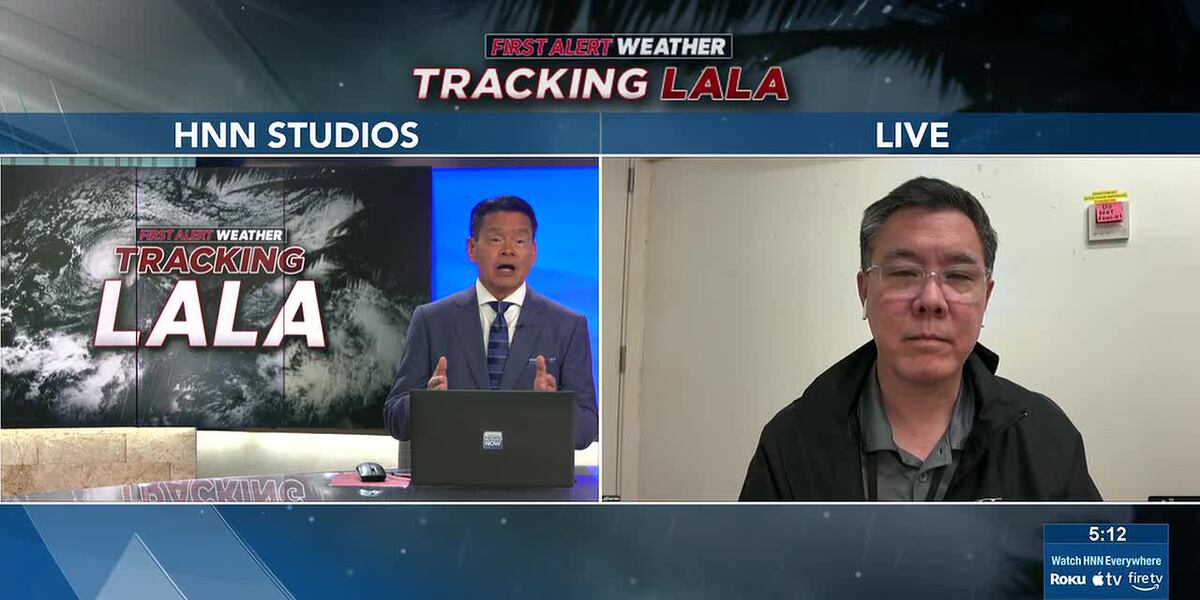
Darren Pai from Hawaiian Electric shares a critical 5 p.m. update on the ongoing power outage...

Hawaiian Electric Company is pushing towards a major 'green power' milestone, targeting nearly...

The floods that have been battering Indiana for days have left a trail of destruction and claiming...
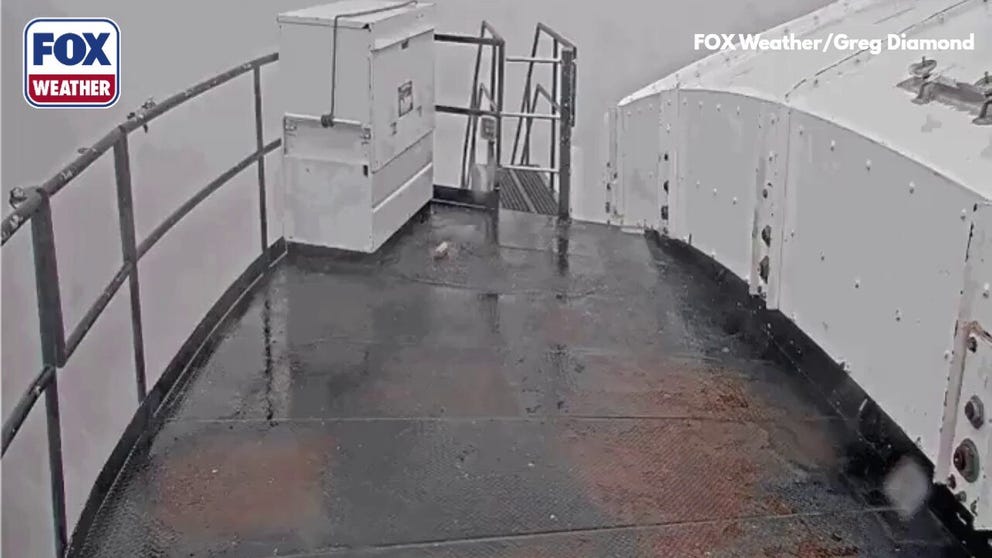
Tropical Storm Lala made headlines by producing snow on the summit of Mauna Kea, a rare and...

Hurricane Lala brings powerful winds and heavy rainfall to Hawaii island, causing widespread damage...

Netizen tidak senang dengan komentar-komentar yang diberikan

BTS mungkin kembali mengikuti Grammy setelah rekanan mereka, Recording Academy, mengumumkan revisi...
BTS mungkin tidak akan mengubah keputusan untuk mengabaikan Grammy karena deadline pengiriman musik...
Update terbaru tentang keputusan BTS untuk tidak mengirimkan musik mereka untuk dijadikan nominee...
Pihak Recording Academy mengumumkan akan kembali meninju keputusan untuk memperkenalkan kategori...

Sangyeop Sangyeop mengumumkan rencananya untuk menikah dengan seorang non-celebrity, mengejutkan...