


Hawaiian Electric Provides Statewide Power Restoration Update
Hawaiian Electric has issued a comprehensive update on the status of power restoration across the...
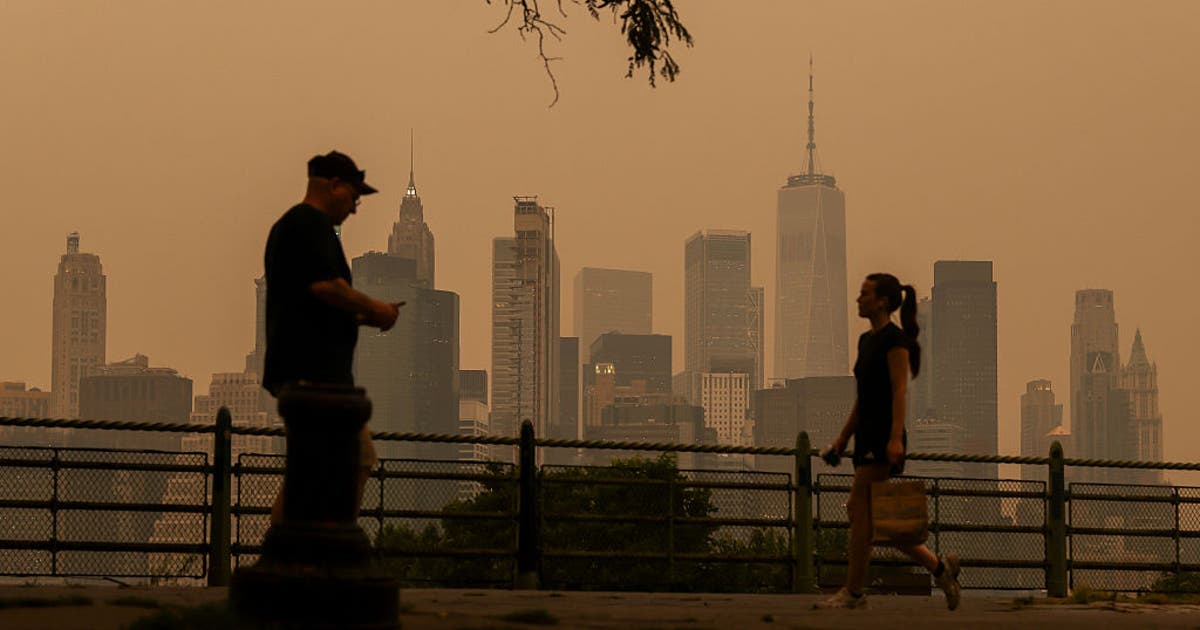
Heavy smoke from massive Canadian wildfires has shrouded parts of the United States East Coast, stretching from the Great Lakes to portions of the East Coast. This phenomenon has resulted in reduced visibility, disrupted commutes, and prompted air quality alerts, warning that outdoor activities could be hazardous. The situation is particularly concerning due to the prolonged exposure to poor air quality, which can exacerbate pre-existing health conditions and lead to respiratory issues. According to the National Weather Service (NWS), the massive outbreak of Canadian wildfires is sending plumes of smoke all the way down to the New York City region.
Residents in the affected areas, including New York City, are advised to take necessary precautions to minimize their exposure to poor air quality. The city's public schools, parks, and other agencies have adjusted their programming, moving activities indoors, rescheduling events, and adjusting operations. Mayor Zohran Mamdani emphasized the importance of taking proactive measures to ensure public safety and minimize disruptions. The city's Department of Environmental Conservation has issued an Air Quality Health Advisory for all five boroughs, highlighting the need for caution.
Air quality monitoring stations have reported extremely poor air quality in the New York City area, with readings exceeding safety thresholds. The current air quality map from AirNow.gov shows the concentration of pollutants in the air, providing a guideline for outdoor activities. The map is particularly useful for sensitive groups, including asthmatics, children, and the elderly, who are more susceptible to the adverse effects of poor air quality. By tracking air quality in real-time, residents can make informed decisions about their activities, prioritizing safety and minimizing exposure.
The situation is not unique to the current year; in June 2023, winds blew smoke from unchecked Canadian wildfires into the region. As a result, the Department of Environmental Conservation issued an Air Quality Health Advisory for all five boroughs. This episode highlights the potential for wildfire smoke to impact air quality in the region, particularly when combined with unfavorable weather conditions. To mitigate the effects, it is crucial to stay informed about air quality indexes and follow recommended guidelines for outdoor activities.
New York City had the world's worst air quality of any major city in the world on June 7, according to data from IQAir.com. The city's air quality index (AQI) reading exceeded 350, more than twice as high as Dubai. This stark reminder underscores the importance of addressing air quality concerns through a multi-faceted approach. By leveraging technology, education, and policy interventions, cities can work towards improving air quality and protecting public health.
The impact of poor air quality can be far-reaching, affecting not only human health but also economic and social factors. Prolonged exposure to poor air quality can lead to decreased productivity, increased absenteeism, and higher healthcare costs. Moreover, the economic burden of poor air quality extends to nearby industries, tourism, and businesses. It is essential for policymakers to address air quality concerns through proactive measures, including investments in clean energy, green infrastructure, and education campaigns. By doing so, cities can reduce their reliance on fossil fuels, minimize air pollution, and promote sustainable development.
In the future, it is crucial to develop and implement advanced air quality monitoring systems, leveraging real-time data and AI-driven analytics to predict and mitigate the effects of poor air quality. Additionally, community-based initiatives and education campaigns can raise awareness about air quality concerns and promote behavioral changes among residents. By joining forces, governments, civil society, and the private sector can collaborate towards creating healthier, more sustainable urban environments.
According to recent studies, there has been an increase in the frequency and severity of wildfires in Canada, primarily attributed to climate change. Rising temperatures, increased precipitation, and changes in weather patterns create conducive conditions for massive wildfires. The consequences of inaction are far-reaching, with implications for air quality, public health, and environmental sustainability. To mitigate its effects, it is crucial to develop effective forest management strategies, invest in climate-resilient infrastructure, and support reforestation efforts.
Finally, as cities adapt to the challenges posed by climate change, it is crucial to prioritize the needs of vulnerable populations, including those living in low-income and historically marginalized communities. These groups are disproportionately affected by poor air quality, and their experiences and perspectives must inform policy decisions. By incorporating social justice and equity considerations into air quality initiatives, cities can foster more inclusive, sustainable, and resilient urban environments.
Wildfire Smoke Blankets US East Coast: Where is Air Quality Worst? FOX 5 New York
Hawaiian Electric has issued a comprehensive update on the status of power restoration across the...
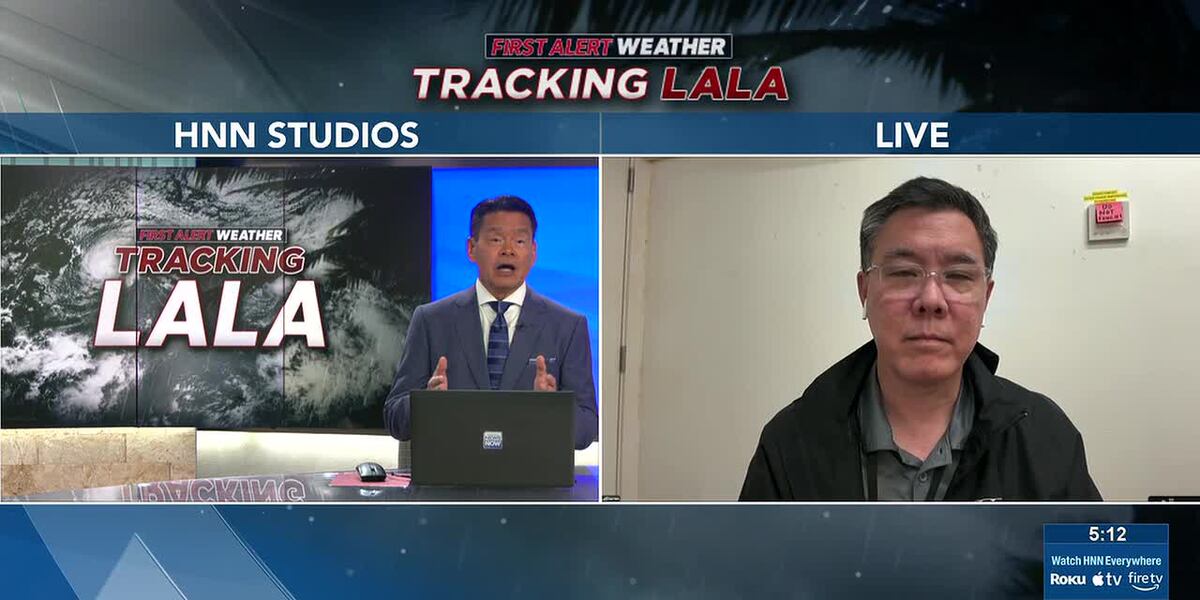
Darren Pai from Hawaiian Electric shares a critical 5 p.m. update on the ongoing power outage...

Kelsey Mitchell Leads the Charge: Fever Secures Thrilling Victory - A Recap and Analysis

Hawaiian Electric Company is pushing towards a major 'green power' milestone, targeting nearly...
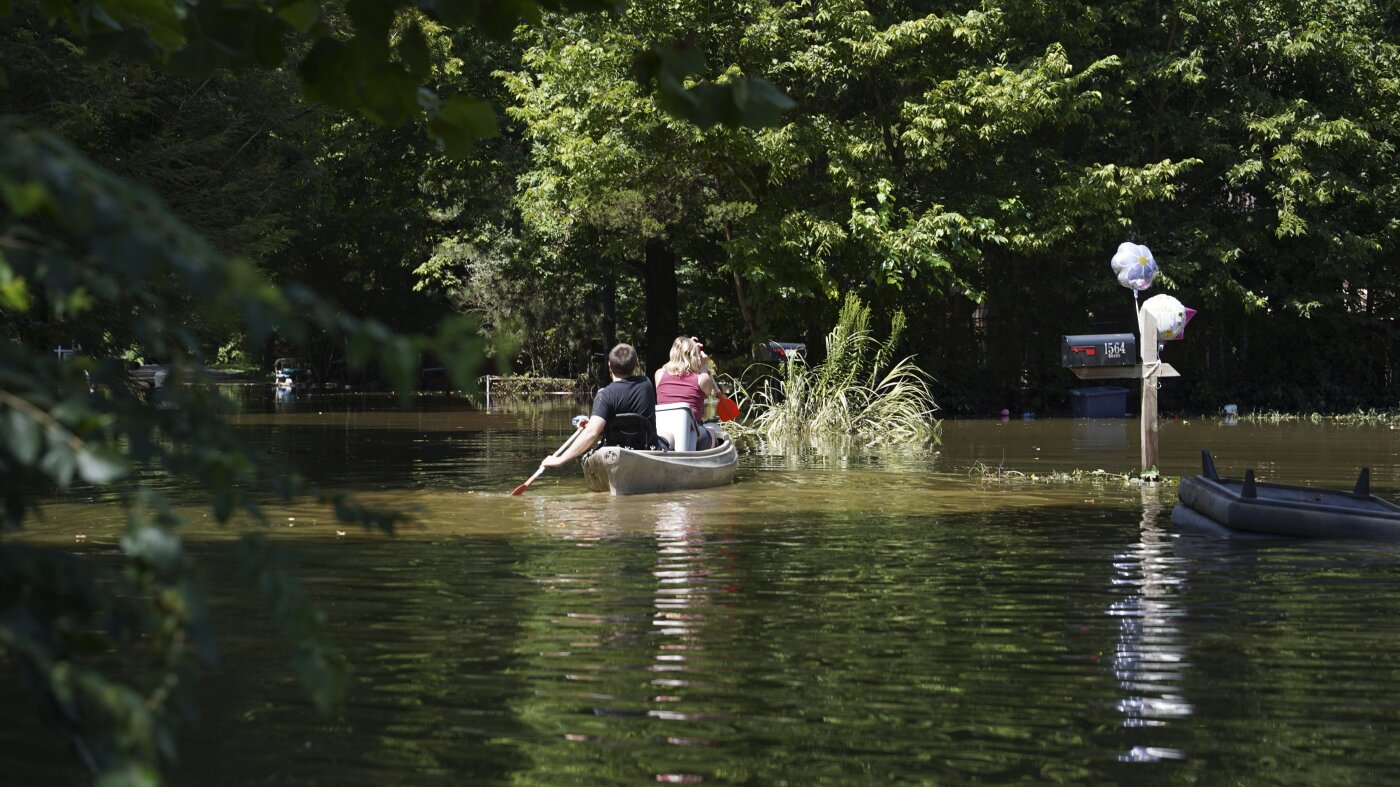
The floods that have been battering Indiana for days have left a trail of destruction and claiming...

Tropical Storm Lala made headlines by producing snow on the summit of Mauna Kea, a rare and...

Netizen tidak senang dengan komentar-komentar yang diberikan

BTS mungkin kembali mengikuti Grammy setelah rekanan mereka, Recording Academy, mengumumkan revisi...
BTS mungkin tidak akan mengubah keputusan untuk mengabaikan Grammy karena deadline pengiriman musik...
Update terbaru tentang keputusan BTS untuk tidak mengirimkan musik mereka untuk dijadikan nominee...
Pihak Recording Academy mengumumkan akan kembali meninju keputusan untuk memperkenalkan kategori...

Sangyeop Sangyeop mengumumkan rencananya untuk menikah dengan seorang non-celebrity, mengejutkan...